How to Prune Blackseed spurge?
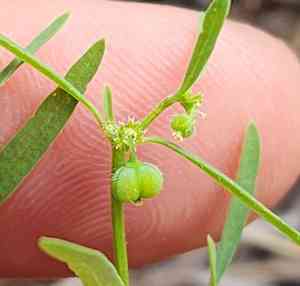
Blackseed spurge is notable for its unique seed pods and lively green leaves. Successful trimming entails severing lifeless or frail stalks in late winter or early spring to encourage vigorous development. Make certain to eliminate any impaired or infected sections to preserve the plant's well-being. Trimming additionally aids in managing its inherent expansion and sculpting the plant. These methods improve blackseed spurge's framework and general vitality, guaranteeing a more robust, visually appealing example.
What Are the Benefits of Pruning Blackseed Spurge?
What Are the Benefits of Pruning Blackseed Spurge?
Blackseed spurge thrives with pruning, promoting vigorous development and maintaining its form. Trimming aids in fostering robust growth, managing plant size, and enhancing its overall look. Furthermore, it can boost resistance to pests and diseases by eliminating unhealthy or overgrown sections.
What Is the Best Time for Pruning Blackseed Spurge?
What Is the Best Time for Pruning Blackseed Spurge?
Pruning blackseed spurge in late winter or early spring is optimal as the plant remains dormant. This timing minimizes plant stress and allows cuts to heal before the active growing season. Additionally, pruning prior to new growth helps shape the plant and encourages healthy, strong new development. Performing the task after the frost risk has passed also protects the plant from potential frost damage to freshly trimmed areas.
What Tools Do I Need to Prune Blackseed Spurge?
Bypass Pruners
Perfect for clean cuts on living stems and branches up to 3/4 inch in diameter. Ensures precision and minimal harm to blackseed spurge's branches.
Loppers
Useful for thicker branches up to 2 inches in diameter. Provides extra leverage and reach, simplifying the pruning of larger blackseed spurge sections.
Pruning Saw
Essential for cutting through very thick or woody stems and branches that loppers cannot manage. Delivers clean cuts that encourage healthy regrowth.
Protective Gloves
Crucial for safely handling blackseed spurge due to its irritating milky sap. Ensures the gardener's hands are shielded during the pruning process.
Disinfectant Wipes or Solution
Important for sanitizing tools before and after pruning to prevent disease spread. Keeps blackseed spurge healthy by reducing infection risk.
How to Prune Blackseed Spurge
Identify
Examine blackseed spurge closely to locate any diseased or withered leaves. Diseased leaves might appear discolored or have unusual spots, while withered leaves will look dry and lifeless.
Prepare tools
Ensure your pruning shears are clean and sharp. Sterilize the shears with rubbing alcohol to prevent the spread of disease.
Trim diseased leaves
Carefully cut off any diseased leaves at the base of their stem. Make clean cuts to avoid damaging the healthy parts of blackseed spurge.
Trim withered leaves
Remove withered leaves by snipping them off at the base of their stem. Be gentle to prevent unnecessary stress on blackseed spurge.
Clean up
Collect all trimmed leaves and dispose of them properly to prevent any disease from spreading. Avoid composting diseased leaves.
Common Pruning Mistakes with Blackseed Spurge
Incorrect Technique
Using improper cutting tools or making rough cuts can harm the plant, potentially leading to disease and stunted development.
Over-pruning
Removing too much foliage can stress blackseed spurge, diminishing its ability to photosynthesize and recover.
Pruning at the Wrong Time
Timing errors, such as pruning during extreme temperatures or incorrect growth stages, can negatively impact blackseed spurge's health and blooming.
Common Pruning Tips for Blackseed Spurge
Sharpen and Sterilize Tools
Always use sharp, clean tools to make precise cuts and avoid introducing pathogens to blackseed spurge.
Prune Moderately
Focus on removing dead, damaged, or diseased branches, and avoid cutting more than one-third of the plant at a time to maintain overall health.
Make Clean Cuts
Ensure cuts are clean and angled slightly to prevent water accumulation and promote faster healing.
Understand the Growth Pattern
Familiarize yourself with the natural shape and growth pattern of blackseed spurge to make informed pruning decisions that enhance its natural form and beauty.


