How to Prune Euphorbia bifida?
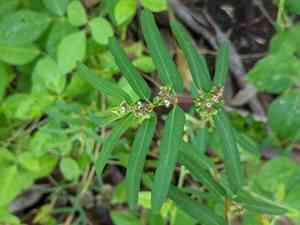
Perfect for dry environments, euphorbia bifida flourishes with little attention. Trim euphorbia bifida in springtime to stimulate development, in summer to preserve its form, and in autumn to eliminate compromised sections. Employing sanitized implements, execute precise cuts on undesirable limbs to prevent illness. Strategic trimming provides cultivators with a robust, attractive specimen that more effectively resists infestations and severe elements.
What Are the Benefits of Pruning Euphorbia Bifida?
What Are the Benefits of Pruning Euphorbia Bifida?
Trimming euphorbia bifida promotes robust development and maintains its desired form. Strategic cuts enhance light penetration and air flow, crucial for the plant's health and structure. Regular trimming ensures euphorbia bifida thrives and looks visually appealing.
What Is the Best Time for Pruning Euphorbia Bifida?
What Is the Best Time for Pruning Euphorbia Bifida?
Trimming euphorbia bifida in Spring coincides with the start of its growth period, facilitating quick wound recovery and supporting vigorous development. Early Summer is suitable for shaping the plant and removing any unwanted or excessive growth without stressing it during its peak active growth phase. Fall pruning is advantageous as it prepares euphorbia bifida for dormancy by eliminating dead or diseased material, lessening the plant's resource demands in colder months. These seasons are optimal because they align with times when euphorbia bifida has the best chance to recover and flourish after pruning, considering its natural growth cycle and well-being.
What Tools Do I Need to Prune Euphorbia Bifida?
Bypass Pruners
Euphorbia bifida often has slender stems, necessitating a tool that can make clean cuts without crushing plant tissue. Bypass pruners are ideal due to their sharp blade that glides past a blunt counter blade, mimicking a scissor action perfect for cutting live greenery without unnecessary harm.
Gloves
Given the sap that euphorbia bifida produces, which can irritate skin, it's crucial for gardeners to wear gloves while pruning. This will shield their hands from potential irritation or allergic reactions.
Safety Goggles
When trimming euphorbia bifida, wearing safety goggles is important to shield eyes from sap that may squirt out when stems are cut. This sap can be harmful if it enters the eyes.
Pruning Saw
For older or tougher stems of euphorbia bifida that bypass pruners cannot handle, a small pruning saw is appropriate. It allows for cutting through thicker growth without harming the plant or the gardener.
Alcohol Wipes or Bleach Solution
Euphorbia bifida's sap can damage pruning tools. It's important to clean tools after use with alcohol wipes or a bleach solution to prevent sap from corroding the metal and to maintain tool hygiene.
How to Prune Euphorbia Bifida
Clean disinfect
Before trimming euphorbia bifida, clean and sanitize pruning tools using a solution of one part bleach to nine parts water to prevent disease spread.
Identify
Examine euphorbia bifida closely to locate withered leaves that require removal. These are typically brown, dry, and may feel brittle.
Snipping
Using sharp, clean pruning shears, carefully snip the withered leaves at their base where they connect to the stem. Avoid pulling leaves off as this can harm the plant.
Dispose
Gather the trimmed leaves and discard them properly, away from the plant to prevent any potential for disease or pests that might remain on the withered foliage.
Clean up
Tidy the pruning area to remove fallen debris around euphorbia bifida, and wash tools thoroughly after use to be prepared for the next trimming task.
Common Pruning Mistakes with Euphorbia Bifida
Overpruning
Removing too much foliage from euphorbia bifida at once can stress the plant, lead to poor growth, and reduce its ability to photosynthesize effectively.
Using dull tools
Trimming with dull or unsanitary tools can result in jagged cuts that harm euphorbia bifida's delicate stems, making them vulnerable to disease and pests.
Neglecting to prune
Euphorbia bifida benefits from occasional trimming to remove dead or diseased material. Neglecting this can lead to a plant that is less vigorous and aesthetically pleasing.
Improper cut location
Making cuts too far from the node can leave a stub that risks disease for euphorbia bifida, while cutting too close can damage the growing tissues.
Ignoring plant structure
Failing to consider the natural shape and growth habit of euphorbia bifida can result in an unbalanced and weakened plant structure.
Common Pruning Tips for Euphorbia Bifida
Clean cuts
Use sharp, clean pruning shears to make precise cuts on euphorbia bifida, which will heal faster and reduce the risk of disease.
Prune dead material
Regularly remove dead or yellowing leaves and any diseased or broken stems to maintain the health and appearance of euphorbia bifida.
Encourage bushiness
Pinch back the tips of new growth to encourage a bushier form in euphorbia bifida, increasing its fullness and potential flower production.
Thin out
Thin out dense growth to improve light penetration and air circulation within the canopy of euphorbia bifida, which can prevent fungal diseases.
Use proper technique
Make slanted cuts just above a leaf node when pruning euphorbia bifida, ensuring that water runs off the cut and to promote healthier new growth.



