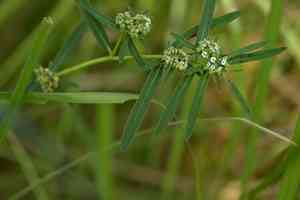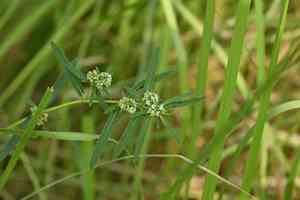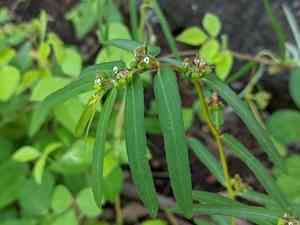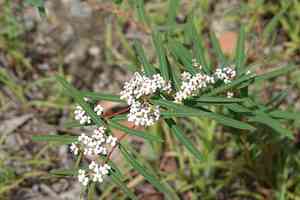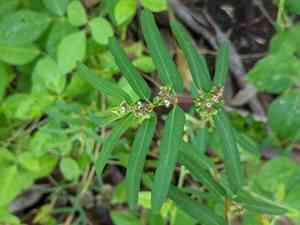
Euphorbia bifida(Euphorbia bifida)

Euphorbia bifida (Euphorbia bifida)

Also known as: Bifid Spurge

Euphorbia bifida is an intriguing succulent adapted to arid environments through several key features:

1. **Branched, Spiny Stems**: These can grow upright or spread out, helping to store water efficiently and deter herbivores.
2. **Compact, Segmented Leaves**: These small leaves are closely attached to the stem, reducing the surface area for water loss.
3. **Bifurcated Cyathia**: The plant’s unique paired flower-like structures contribute to its distinctive look and reproductive success.
4. **Minimized Leaf Surface**: Reducing the leaf size helps limit water evaporation, crucial for survival in dry climates.

These adaptations collectively ensure that Euphorbia bifida can conserve water and thrive in arid conditions.

Attributes of Euphorbia bifida

Lifespan
Annual
Plant Type
Herb
Plant Height
30 cm - 60 cm
Spread
20 cm - 40 cm
Leaf Color
Green
Flower Size
1 cm - 2 cm
Flower Color
White

ForwardPlant - Identify plants with a snap

Identify and diagnose plants, get toxicity alerts, and explore safety guides for all types of fungi.

Try for Free

Images of Euphorbia bifida

Euphorbia bifida(Euphorbia bifida)

Quickly Identify Euphorbia bifida

1
Look for its unique bifurcated branches and the milky sap that is typical of Euphorbia species. The stems are green, often exhibiting a woody base with age.

Scientific Classification of Euphorbia bifida

Phylum
Vascular plants
Class
Dicotyledons
Order
Malpighiales
Family
Spurge
Genus
Spurges
Species
Euphorbia bifida

Planting and Growing of Euphorbia bifida

Care Difficulty
Easy
Watering Schedule
Every 2 days
Sunlight Requirements
Partial sun
Sunshine Duration
6-10 hours
Ideal Temperature
60-75℉
Soil Type
Potting Mix, Peat Mix
Soil pH
6.5-7.5
Fertilizer Type
Balanced
Pruning Season
Spring, Summer
Pruning Area
Branches, Leaves
Pruning Frequency
2 times a year
Repotting Season
Spring
Pot Type
Plastic, Ceramic

water icon How to Water Euphorbia bifida?

For Euphorbia bifida, ensure you water with about 150 milliliters each time. Make sure the soil is evenly moist but not waterlogged, allowing any excess moisture to drain away completely. This will prevent roots from sitting in water, reducing the risk of root rot.
What are the symptoms of an underwatered Euphorbia bifida?
What should I do if my Euphorbia bifida is not getting enough water?
What are the symptoms of an overwatered Euphorbia bifida?
How to save an overwatered Euphorbia bifida?

sunlight icon What Are the Sunlight Requirements for Euphorbia bifida?

Sunlight Requirements: Partial sun
Duration of light: 3-6 hours daily
Euphorbia bifida flourishes best under partial sun, adapting well to areas that provide intermittent sunlight throughout the day, enhancing its growth and preventing light stress.
Optimal Light Environment
Solutions to Achieve Ideal Lighting
Benefits of Ideal Light
More About Sunlight Requirements Techniques

temperature icon What Is the Ideal Temperature Range for Euphorbia bifida?

Ideal Temperature: 60 ~ 75℉
For optimal growth of Euphorbia bifida, it is essential to maintain a temperature range between 60°F and 75°F. This range ensures that the plant's metabolic processes function efficiently, promoting healthy growth and reducing the risk of stress-related issues.

soil icon What Soil is Best for Euphorbia bifida?

Soil type: Loam, Sandy loam
Soil PH: 6.5 ~ 7.5
Euphorbia bifida thrives in well-draining soils that prevent waterlogging. Good drainage ensures the roots remain healthy and reduces the risk of root rot, vital for sustaining vibrant foliage and growth. A loamy soil mixture rich in organic matter is ideal as it provides essential nutrients for Euphorbia bifida, supporting healthy development and fostering resistance to stressors like pests and diseases. The ability of the soil to retain moderate moisture is key. While the soil should drain well, it must also hold enough moisture to nourish the plant's roots during dry spells, aiding consistent growth.

fertilize icon How to Fertilize Euphorbia bifida?

Fertilizer type: Balanced
For Euphorbia bifida, aim to use a balanced liquid fertilizer diluted to half the recommended strength. Typically, 1-2 teaspoons per gallon of water is sufficient. This amount ensures nutrients are provided without the risk of burning the roots, crucial for maintaining healthy growth.

prune icon How to Prune Euphorbia bifida?

Pruning Time: Spring, Summer
Start by identifying branches or stems that are dead, diseased, or crossing over each other. Using a sharp pair of shears, cut these back to the base of the plant or just above a leaf node to encourage new growth. After removing unwanted parts, focus on shaping the plant. Trim back overgrown areas to maintain the desired shape of the Euphorbia bifida, ensuring that light reaches all parts of the plant evenly. After pruning, keep the plant well-watered and provide appropriate sunlight to aid in recovery. A balanced fertilizer can be applied to support new growth and compensate for the energy used in healing. More About Pruning Techniques

propagate icon How to Propagate Euphorbia bifida plant?

Propagate Time: Spring, Early summer
1
Select healthy stems from the mother plant and cut them at a 45-degree angle. Remove any excess leaves to reduce water loss and improve rooting success.
2
Dip the cut end in rooting hormone and place it into a pot filled with perlite or sand. Ensure that the cuttings are stable and upright.
3
Sprinkle the seeds over a seed tray filled with a fine potting mix. Lightly cover the seeds with a thin layer of soil and mist with water.

repot icon How to Repot Euphorbia bifida plant?

Repotting frequency: Every 2 to 3 years
1
Euphorbia bifida shows signs that it needs repotting when its roots start to grow out of the drainage holes or when its growth appears stunted despite favorable conditions. Spring and autumn are ideal seasons as the plant is in active growth during these periods, allowing it to recover quickly.
2
Select a pot that is one size larger than the current one to allow room for root expansion. Pots made from porous materials like clay are preferred as they facilitate moisture evaporation, keeping the soil dry and preventing root rot. Ensure the pot has drainage holes to allow water to escape, preventing waterlogging.
3
Opt for a well-draining soil mix, ideally a cactus or succulent mix, which provides excellent drainage preventing root rot. The soil should be nutrient-rich to support sustained growth. Adding perlite or pumice can further enhance drainage and aeration, creating an optimal environment for Euphorbia bifida.

ForwardPlant - Identify plants with a snap

Find the best spots for them to optimize their health, simply using your phone.

Try for Free

Toxicity

Ingestion, Skin Contact

Identify toxic plants for your safety

Learn which plants are harmful to you and your pets, and make informed choices for a safer home!

Try for Free
WARNING
The judgment on toxicity and danger is for reference only. We DO NOT GUARANTEE any accuracy of such judgment. Therefore, you SHALL NOT rely on such judgment. It is IMPORTANT TO SEEK PROFESSIONAL ADVICE in advance when necessary.