How to Prune Euphorbia articulata?
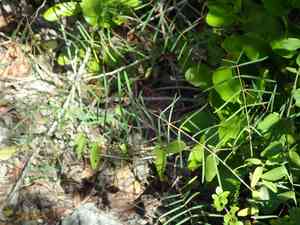
Euphorbia articulata, recognized for its unique segmented stalks, thrives with trimming during late winter or early spring. This period coincides with its inactive phase, fostering vigorous development. Concentrate on eliminating deceased or injured limbs, and thin congested stems to improve air circulation and light exposure. Trimming stimulates a sturdier framework and deters potential infestations and ailments. Always employ sanitized, keen implements to execute accurate incisions and minimize the chance of contamination.
What Are the Benefits of Pruning Euphorbia Articulata?
What Are the Benefits of Pruning Euphorbia Articulata?
Euphorbia articulata benefits from trimming by encouraging robust development and preserving an appealing form. Regular trimming aids in managing its dimensions, fosters a strong framework, and reduces the likelihood of illnesses and pests.
What Is the Best Time for Pruning Euphorbia Articulata?
What Is the Best Time for Pruning Euphorbia Articulata?
Trimming euphorbia articulata during late winter or early spring is optimal as it allows the plant to recover prior to the active growth period. Pruning at this time minimizes stress to the plant and lowers the risk of disease and pest infestations. Furthermore, euphorbia articulata's growth cycle is such that pruning during these dormant seasons assists in controlling its shape and size without impeding its overall health, blooming, or fruiting phases.
What Tools Do I Need to Prune Euphorbia Articulata?
Bypass Pruners
Bypass pruners are perfect for euphorbia articulata as they create clean cuts without crushing plant tissue, promoting healthy regrowth.
Pruning Shears
Pruning shears are essential for safely removing smaller branches or stems. They provide precision for detailed trimming tasks.
Garden Scissors
Garden scissors are useful for snipping off small, delicate sections of euphorbia articulata. They are convenient for fine work and precise shaping.
Long-handled Loppers
Long-handled loppers help to reach and cut thicker, hard-to-reach branches. They are ideal for maintaining the plant's structure.
How to Prune Euphorbia Articulata
Inspection
Carefully examine euphorbia articulata to identify any diseased or withered foliage.
CleanTools
Sanitize pruning implements to prevent the spread of pathogens.
RemoveDiseasedLeaves
Snip off any diseased leaves at their base where they connect to the stem, ensuring clean, precise cuts.
RemoveWitheredLeaves
Eliminate any dried or dead leaves to encourage healthier growth and improve the plant's appearance.
Disposal
Properly discard the trimmed foliage by bagging and removing it from the area to prevent potential disease transmission.
Common Pruning Mistakes with Euphorbia Articulata
Improper Technique
Using dull or unsuitable tools can cause jagged cuts that may harm euphorbia articulata and make it vulnerable to disease. Always use sharp, clean pruning shears.
Over-pruning
Removing too much foliage can stress euphorbia articulata and hinder its development. Ensure to only trim what is necessary for maintaining shape and health.
Incorrect Cutting Angle
Cutting at the wrong angle prevents proper healing and can lead to decay. Always make cuts at a slight angle to promote water runoff and faster recovery.
Pruning at the Wrong Nodes
Cutting too close to the stem or at incorrect nodes can stunt growth. Ensure cuts are made just above the nodes where new growth is anticipated.
Ignoring Safety Precautions
Failing to wear gloves and protective clothing can lead to skin irritation due to euphorbia articulata's sap. Always handle with care.
Common Pruning Tips for Euphorbia Articulata
Use the Right Tools
Invest in high-quality pruning shears specifically designed for slender stems to ensure clean cuts on euphorbia articulata.
Sanitize Tools
Regularly clean and disinfect your tools before and after pruning to prevent the spread of diseases.
Focus on Dead or Damaged Parts
Prioritize removing dead, damaged, or diseased sections of euphorbia articulata to maintain its overall health and appearance.
Monitor New Growth
Regularly check for and trim any overly vigorous new shoots that may disrupt the plantâs balanced form.
Make Strategic Cuts
Always prune just above a leaf node to encourage healthy new growth, making sure to leave sufficient foliage for photosynthesis.


