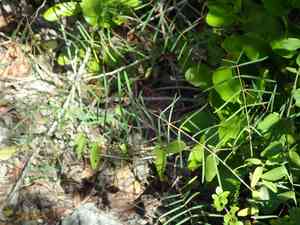
Euphorbia articulata (Euphorbia articulata)
Also known as: none
Euphorbia articulata is distinguished by its bead-like segmented stems, which are adept at storing water, making it well-suited to dry climates. These smooth green stems sometimes produce small leaves, though they are frequently absent to reduce water loss. The plant's flowers are small and inconspicuous, typically emerging at the stem joints, highlighting a discreet reproductive strategy. These characteristics collectively enable Euphorbia articulata to thrive in arid environments.
In This Article
Attributes of Euphorbia articulata
Lifespan
Perennial
Plant Type
Herb, Succulent
Plant Height
10-30 cm
Spread
20-50 cm
Leaf Color
Green
Flower Size
Less than 1 cm
Flower Color
Yellow
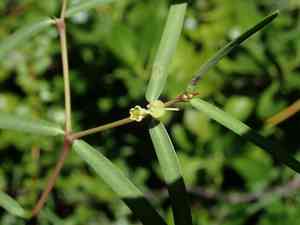
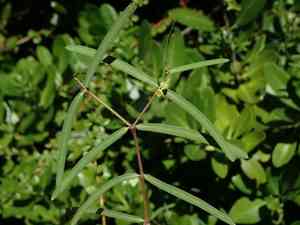
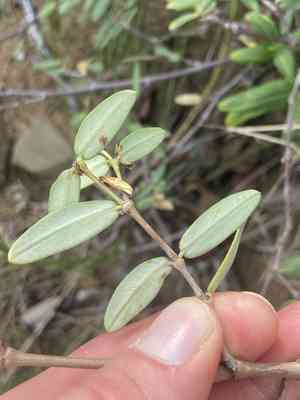
Images of Euphorbia articulata
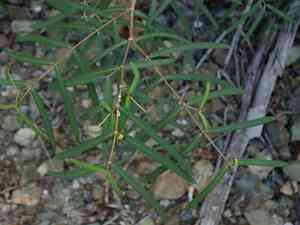
Quickly Identify Euphorbia articulata
1
Euphorbia articulata can be identified by its jointed, segmented stems that resemble interconnected cylinders. The stems are typically green and may sometimes display a reddish hue under stress or high sunlight. This plant produces small, inconspicuous flowers.
Scientific Classification of Euphorbia articulata
Phylum
Vascular plants
Class
Dicotyledons
Order
Malpighiales
Family
Spurge
Genus
Spurges
Species
Euphorbia articulata
Planting and Growing of Euphorbia articulata
Care Difficulty
Moderate
Watering Schedule
Every 2 days
Sunlight Requirements
Partial sun
Sunshine Duration
6-10 hours
Ideal Temperature
65-75℉
Soil Type
Potting Mix, Peat Mix
Soil pH
6.5-7.5
Fertilizer Type
Balanced
Pruning Season
Spring, Summer
Pruning Area
Branches, Leaves
Pruning Frequency
2 times a year
Repotting Season
Spring
Pot Type
Plastic, Ceramic
 How to Water Euphorbia articulata?
Euphorbia articulata requires careful watering to thrive. Each watering session should provide around 200 ml of water, just enough to moisten the soil without making it soggy. The goal is to ensure the water reaches the root zone while preventing any pooling at the base.
What are the symptoms of an underwatered Euphorbia articulata?
›
What should I do if my Euphorbia articulata is not getting enough water?
›
What are the symptoms of an overwatered Euphorbia articulata?
›
How to save an overwatered Euphorbia articulata?
›
 What Are the Sunlight Requirements for Euphorbia articulata?
Euphorbia articulata ideally thrives with partial sun exposure. This balance of light stimulates robust growth and vibrant foliage, nurturing plant health by supporting essential biological processes like photosynthesis without causing leaf damage.
Optimal Positioning
›
Alternative Indoor Lighting
›
Seasonal Adjustments
›
 What Is the Ideal Temperature Range for Euphorbia articulata?
The ideal temperature range for Euphorbia articulata is between 65°F and 75°F. These temperatures emulate the plant's native conditions, contributing to optimal growth by ensuring efficient physiological processes. At these temperatures, the plant photosynthesizes effectively while maintaining necessary respiratory functions.
 What Soil is Best for Euphorbia articulata?
Euphorbia articulata thrives in well-drained soil conditions which prevent root rot and other moisture-related diseases. Good drainage allows the roots to receive adequate oxygen, preventing asphyxiation and promoting vigorous growth. To achieve robust plant health, Euphorbia articulata benefits from soils enriched with organic matter. This provides the necessary nutrients for optimal growth and enhances microbial activity, which supports nutrient absorption by roots. Euphorbia articulata prefers soils with moderate fertility. Excessive nutrients can encourage overly lush growth, making the plant susceptible to diseases. Balanced soil fertility promotes steady and healthy growth.
 How to Fertilize Euphorbia articulata?
For Euphorbia articulata, use a balanced liquid fertilizer diluted to half strength. Apply approximately 50-100 ml per plant depending on its size and soil conditions.
 How to Prune Euphorbia articulata?
Begin by inspecting the plant for any dead or damaged stems. Use sharp, clean shears to cut these back to the base. It's also a good idea to trim back any overly long or misshapen stems to maintain a balanced appearance, following the natural contour of the plant. Euphorbia articulata may develop thicker stems over time. For these, use a pair of loppers or a small pruning saw for a clean cut. Always aim to cut just above a node to promote new growth.
More About Pruning Techniques→
 How to Propagate Euphorbia articulata plant?
1
Gather seeds from mature Euphorbia articulata plants when the pods turn brown and begin to open. Store them in a cool, dry place until you're ready to sow.
2
Use a sterile blade to cut healthy segments of the plant. Let the cut ends dry for a few days before placing them in soil, as this helps prevent rot.
3
Sow seeds on the surface of sandy soil and press lightly. For cuttings, place them upright in a prepared potting mixture, ensuring good contact with the soil for root growth.
 How to Repot Euphorbia articulata plant?
1
Euphorbia articulata needs repotting when you notice roots emerging from the drainage holes or the soil dries out quickly after watering. These are signs the plant has outgrown its current container.
2
Select a pot that is one size larger than the current one, with excellent drainage holes. A slightly larger pot allows for root expansion without overwhelming the plant with excessive soil.
3
A well-draining cactus mix is essential. It prevents waterlogging and root rot, promoting healthy growth by providing the right balance of moisture retention and aeration.
Toxicity
ingestion, skin contact
WARNING
The judgment on toxicity and danger is for reference only. We DO NOT GUARANTEE any accuracy of such judgment. Therefore, you SHALL NOT rely on such judgment. It is IMPORTANT TO SEEK PROFESSIONAL ADVICE in advance when necessary.
Learn More About Euphorbia articulata Diseases
Anthracnose
Bacterial Leaf Spot
Bacterial Soft Rot
Bacterial Wilt
Black Spot
Chemical Injury
Crown Gall
Damping-off
Downy Mildew
Drought Stress
Fusarium Wilt
Gray Mold
Leaf Curl
Leaf Spot
Mosaic
Nutrient Deficiency
Nutrient Toxicity
Powdery Mildew
Root Rot
Root-knot Nematode
Rusts
Sooty Mold
Spider Mites
Temperature Stress
Thrips Damage
White Mold


