How to Prune Pointed sandmat?
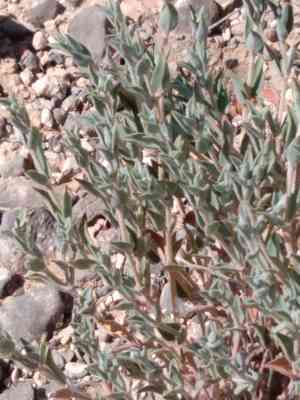
Pointed sandmat exhibits characteristic pointed foliage and flourishes under direct sunlight. To preserve its form and stimulate robust development, trim it in late winter or early spring. Begin by eliminating any deceased or ailing stalks, then thin out congested sections to enhance air movement. Refrain from over-pruning, as this can cause stress to the specimen. Consistent trimming fosters energetic growth and boosts bloom production. Always employ sanitized, sharp implements to avert pathogen transmission.
Advantages of Trimming Pointed Sandmat
Advantages of Trimming Pointed Sandmat
Pointed sandmat benefits from trimming by growing more robustly and maintaining its form. Proper trimming encourages vigorous growth, enhances the plantâs natural shape, and helps manage its size, improving overall appearance and resistance to pests and diseases.
Optimal Time for Trimming Pointed Sandmat
Optimal Time for Trimming Pointed Sandmat
Trimming pointed sandmat in late winter or early spring is ideal, allowing the plant to recover before its new growth phase. This timing ensures minimal stress from cuts and maximizes potential for healthy regrowth. Pruning during these seasons also helps control the shape and size of pointed sandmat just before its active growing period, boosting the plant's overall health and vitality. Avoiding pruning during flowering or fruiting prevents bud removal, ensuring a strong and full bloom cycle.
Tools Required for Trimming Pointed Sandmat
Bypass Pruners
Perfect for clean cuts on live stems up to 1/2 inch in diameter, minimizing harm and disease risk.
Pruning Shears
Suitable for thinning and cutting soft, green stems, providing precise control for detailed trimming tasks.
Gloves
Shield your hands from the plantâs sap, which can cause skin irritation.
Cleaning Cloth
Needed for wiping sap off trimming tools to prevent sticking and ensure smooth operation.
Disinfectant
Crucial for sterilizing tools before and after trimming to prevent disease transmission.
How to Trim Pointed Sandmat
Disinfect
Clean and sanitize trimming tools to prevent disease spread. Rubbing alcohol or a bleach solution can be used for this.
Inspect
Examine pointed sandmat closely to identify any diseased or withered leaves. These leaves may show discoloration, wilting, or signs of fungal infection.
Remove Diseased Leaves
Carefully cut off any diseased leaves at their base using sharp, clean pruning shears. Ensure clean cuts to prevent further damage.
Remove Withered Leaves
Trim away withered leaves, ensuring each cut is made close to the stem but without harming the main structure of pointed sandmat. Discard all trimmed leaves to prevent the spread of any potential diseases.
Dispose
Safely dispose of all trimmed material by removing it from the garden area and composting or discarding it appropriately to prevent contamination of healthy plants.
Common Trimming Errors with Pointed Sandmat
Over-trimming
Removing too many branches or large sections can stress pointed sandmat, hindering its ability to thrive and flower.
Incorrect Technique
Using dull or unclean tools can cause jagged cuts and introduce diseases, harming the plant's health.
Ignoring Infected Areas
Failing to remove diseased or dead parts can spread infection, affecting the overall plant health.
Neglecting to Plan
Not planning the trimming process can lead to uneven growth or poorly shaped plants.
General Trimming Advice for Pointed Sandmat
Use Sharp, Clean Tools
Ensure your pruning shears are sharp and clean to make precise cuts and reduce the risk of disease.
Remove Dead and Damaged Stems
Focus on cutting away dead or damaged stems to prevent disease spread and encourage new growth.
Make Clean Cuts
Always make clean, angled cuts just above a node or bud to promote proper healing and growth direction.
Thin Out Crowded Areas
Remove some inner branches to enhance light penetration and air circulation, aiding in reducing mildew and mold risks.
Moderate Pruning
Practice moderate pruning by removing no more than one-third of the plant at any time to avoid undue stress.


