How to Prune Hyssopleaf thoroughwort?
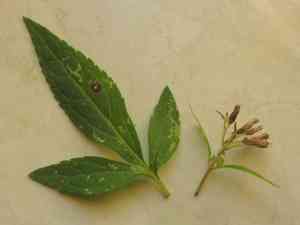
This perennial herb, distinguished by slender foliage and compact groupings of tiny blossoms, flourishes with judicious trimming. For hyssopleaf thoroughwort, trim in early spring to foster a more compact habit. Eliminate faded flower clusters in summer to stimulate additional flowering. Strategic cutting during these periods leads to more robust plants and extended bloom times. Advantages encompass improved plant vitality and a neater look. Pruning ought to be accurate, preventing excessive removal to preserve the plant's form and guarantee seasonal regeneration.
What Are the Benefits of Pruning Hyssopleaf Thoroughwort?
What Are the Benefits of Pruning Hyssopleaf Thoroughwort?
Trimming hyssopleaf thoroughwort promotes vigorous development and maintains a neat appearance. Regular cutting fosters a dense, robust plant structure, ensuring hyssopleaf thoroughwort flourishes with enhanced vitality and an attractive form.
What Is the Best Time for Pruning Hyssopleaf Thoroughwort?
What Is the Best Time for Pruning Hyssopleaf Thoroughwort?
Pruning hyssopleaf thoroughwort is most effective in spring or early summer, coinciding with its active growth phase. This timing leverages the rapid growth post-winter dormancy, allowing hyssopleaf thoroughwort to recover swiftly from pruning and produce new shoots. Spring pruning can also help remove winter damage and shape the plant as it enters its peak growing season. Early summer pruning, prior to the blooming period, enables gardeners to reshape hyssopleaf thoroughwort or manage its size without significantly impacting flower production, as hyssopleaf thoroughwort typically blooms in late summer and fall. Avoid pruning hyssopleaf thoroughwort in late summer or fall, as new growth might not harden off before winter, making the plant more vulnerable to cold damage. Additionally, pruning during dormancy or stressful periods can diminish the plant's vigor and health. Therefore, adhering to the recommended seasons maximizes hyssopleaf thoroughwort's health and aesthetic appeal, ensuring a vibrant floral display and preserving its natural growth habit.
What Tools Do I Need to Prune Hyssopleaf Thoroughwort?
Bypass Pruners
Perfect for making clean cuts on green stems and small branches of hyssopleaf thoroughwort, thereby encouraging healthy regrowth and preserving the plant's shape.
Pruning Shears
Useful for trimming smaller stems of hyssopleaf thoroughwort, allowing for precise cuts and minimal harm to the plant tissue.
Gardening Gloves
Protective gloves are crucial to shield the gardener's hands from thorns and sharp edges while pruning hyssopleaf thoroughwort.
Hand Saw
Essential for cutting through thicker stems or branches that may develop on older or larger specimens of hyssopleaf thoroughwort.
How to Prune Hyssopleaf Thoroughwort
Sanitize
Before pruning hyssopleaf thoroughwort, clean and disinfect your pruning tools to prevent the spread of diseases.
Identify
Examine hyssopleaf thoroughwort closely to identify diseased or withered leaves and diseased stems that need removal.
Cut Diseased Leaves
Using sharp pruning shears, trim off any diseased or withered leaves at their base, making sure not to tear the healthy tissue.
Cut Diseased Stems
Carefully prune back diseased stems by cutting them back to a healthy section, ensuring to make your cut just above a leaf node or bud.
Dispose
Dispose of all removed plant material promptly and adequately to prevent disease spread, avoiding composting if the material was diseased.
Common Pruning Mistakes with Hyssopleaf Thoroughwort
Over pruning
Removing too much of hyssopleaf thoroughwort's foliage at once can stress the plant, leading to poor growth or a reduced bloom.
Incorrect cuts
Making cuts too close to the main stems or cutting into old wood can damage hyssopleaf thoroughwort and impede its natural growth pattern.
Pruning too early
Cutting back hyssopleaf thoroughwort before it has finished flowering can prevent seed formation which is essential for self-sowing and maintaining the plant population.
Neglecting to sanitize tools
Using unsanitized pruning tools can introduce diseases to hyssopleaf thoroughwort, which may compromise its health.
Ignoring plant shape
Failing to consider hyssopleaf thoroughwort's natural shape when pruning can result in an unsightly appearance and may also hinder its growth.
Common Pruning Tips for Hyssopleaf Thoroughwort
Clean cuts
Make sure to use sharp, clean tools to make precise cuts that will heal quickly and minimize the risk of disease for hyssopleaf thoroughwort.
Selective thinning
Remove only the necessary parts of hyssopleaf thoroughwort to maintain an open structure for improved air circulation and light penetration, which promotes healthy growth.
Deadheading
After hyssopleaf thoroughwort has finished flowering, deadhead spent blooms to encourage new flowers and prevent self-sowing if not desired.
Maintaining plant form
Prune hyssopleaf thoroughwort by following its natural shape to maintain an aesthetically pleasing form while supporting its growth habits.
Tool sanitization
Sanitize pruning tools before and after use on hyssopleaf thoroughwort to prevent the spread of pathogens between plants.



