How to Prune Tropical creeping cudweed?
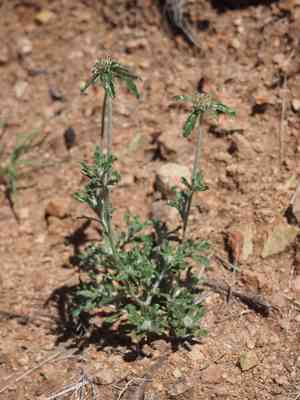
Creeping cudweed, a tropical species recognized by its diminutive, trailing growth and delicate, silver-hued foliage, requires trimming in the initial part of spring or the latter portion of winter. Perform a light trim to eliminate any deceased or compromised stems and to stimulate more compact development. Refrain from extensive pruning, as this could cause strain to the plant. Maintaining the trimmed state of tropical creeping cudweed additionally aids in managing its proliferation and preserving its form. Consistent trimming improves its general well-being, averting illnesses and fostering more robust blooming.
What Are the Benefits of Pruning Tropical Creeping Cudweed?
What Are the Benefits of Pruning Tropical Creeping Cudweed?
Trimming tropical creeping cudweed encourages robust development and maintains its form, preventing it from becoming overgrown. It enhances its general look and resistance to pests and illnesses, ensuring the plant stays healthy and attractive throughout the year.
What Is the Best Time for Pruning Tropical Creeping Cudweed?
What Is the Best Time for Pruning Tropical Creeping Cudweed?
Pruning tropical creeping cudweed in late winter and early spring is ideal as this period aligns with the plant's dormant state or just prior to its active growth phase. Trimming during dormancy minimizes plant stress and lowers disease risk. Additionally, pruning just before the growing season allows for quick recovery and promotes healthier, more vigorous new growth. This timing also ensures that pruning does not interfere with tropical creeping cudweed's flowering or fruiting cycles, maximizing its ornamental appeal and overall health.
What Tools Do I Need to Prune Tropical Creeping Cudweed?
Hand Pruners (Secateurs)
Perfect for snipping smaller stems, removing spent blooms, and gently shaping tropical creeping cudweed. They offer precise cuts and aid in maintaining plant vitality.
Bypass Pruners
Excellent for making clean cuts on green, live stems under 1/2 inch in diameter, typical for tropical creeping cudweed. Bypass pruners help prevent damage to softer stems.
Snips or Scissors
Useful for detailed and delicate trimming tasks needed for tropical creeping cudweed. Ideal for cutting thin stems and leaves without crushing them.
Pruning Shears
Essential for more demanding pruning jobs when dealing with slightly thicker stems. Pruning shears can handle stronger growth without harming the plant.
Gloves
Crucial for protecting hands from minor cuts or irritations when handling tropical creeping cudweed and other potential garden hazards.
Sanitizing Solution
To disinfect pruning tools before and after use to prevent the spread of disease within and between plants, ensuring tropical creeping cudweed remains healthy.
How to Prune Tropical Creeping Cudweed
Assessment
Examine the entire plant to identify and locate all diseased and withered leaves.
Sterilization
Sanitize your pruning tools using a solution of one part bleach to nine parts water to prevent disease transmission.
Diseased Leaves
Carefully cut away any diseased leaves close to the base, ensuring complete removal without harming healthy parts.
Withered Leaves
Trim withered leaves to enhance overall appearance and health, cutting them at the stem where the leaf connects.
Disposal
Properly dispose of all removed plant material to avoid contamination or pest infestation.
Common Pruning Mistakes with Tropical Creeping Cudweed
Over-pruning
Removing too much foliage at once can stress tropical creeping cudweed, hinder its growth, and increase its susceptibility to pests and diseases.
Incorrect timing
Pruning at the wrong time can disrupt the plant's natural growth cycle, leading to reduced flowering and vigor.
Improper cuts
Making jagged or uneven cuts can damage the plant and invite infections or pest invasions.
Pruning too frequently
Constantly cutting back tropical creeping cudweed can prevent it from establishing a strong structure and may lead to stunted growth.
Common Pruning Tips for Tropical Creeping Cudweed
Use sharp tools
Always use sharp, clean pruning shears to make clean cuts and minimize damage to tropical creeping cudweed.
Strategic cuts
Focus on removing dead, damaged, or diseased stems first to maintain the plant's health.
Encourage airflow
Prune to create an open structure that allows good air circulation, reducing the risk of fungal diseases.
Avoid heavy pruning
Limit pruning to no more than a third of the plant's total foliage at one time to avoid stressing tropical creeping cudweed.
Directional pruning
Make cuts just above a node or bud that faces outward to encourage the plant to grow in a desired direction.


