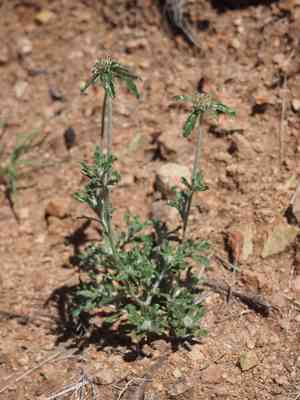
Tropical creeping cudweed (Euchiton sphaericus)
Also known as: Globe cottonleaf
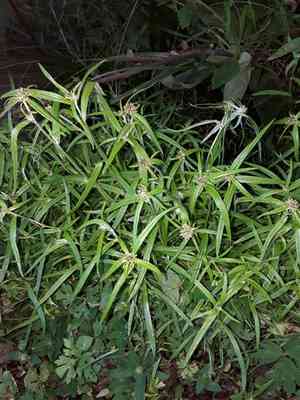
Tropical creeping cudweed is a hardy perennial groundcover with soft, green leaves and small, fluffy flower clusters. It flourishes in warm, sunny environments, often found in grassy fields, open woodlands, and disturbed areas like roadsides. The plant is resilient, spreading through rhizomes and adapting well to different conditions. Its low growth and tiny white flowers create a unique frosted look when blooming.
In This Article
Attributes of Tropical creeping cudweed
Lifespan
Perennial
Plant Type
Herb
Plant Height
10-40 cm
Spread
N/A
Leaf Color
Gray-green
Flower Size
0.5-1 cm
Flower Color
White to pink
Images of Tropical creeping cudweed
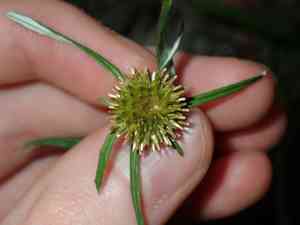
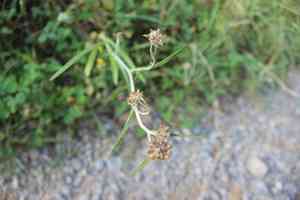
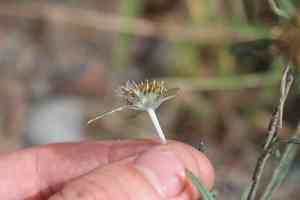
Quickly Identify Tropical creeping cudweed
1
Euchiton sphaericus can be identified by its dense woolly or silvery foliage and small, ball-shaped flower heads. The plant typically has a basal rosette of leaves with erect, slender stems carrying the flower heads.
Scientific Classification of Tropical creeping cudweed
Phylum
Vascular plants
Class
Dicotyledons
Order
Asterales
Family
Daisy
Genus
Euchiton
Species
Tropical creeping cudweed
Planting and Growing of Tropical creeping cudweed
Care Difficulty
Moderate
Watering Schedule
Every 2 days
Sunlight Requirements
Partial sun
Sunshine Duration
6-10 hours
Ideal Temperature
60-75℉
Soil Type
Potting Mix, Peat Mix
Soil pH
6.5-7.5
Fertilizer Type
Balanced
Pruning Season
Spring, Summer
Pruning Area
Branches, Leaves
Pruning Frequency
2 times a year
Repotting Season
Spring
Pot Type
Plastic, Ceramic
 How to Water Tropical creeping cudweed?
Euchiton sphaericus prefers moist but not waterlogged soil conditions. Ideally, the soil should be evenly moist, and this usually requires about 200 milliliters of water per session, allowing the water to penetrate the soil down to the root level without sitting in the pot.
What are the symptoms of an underwatered Tropical creeping cudweed?
›
What should I do if my Tropical creeping cudweed is not getting enough water?
›
What are the symptoms of an overwatered Tropical creeping cudweed?
›
How to save an overwatered Tropical creeping cudweed?
›
 What Are the Sunlight Requirements for Tropical creeping cudweed?
Partial sun, providing 4 to 6 hours of light, will enhance the plant's health, encouraging rich foliage and consistent blooming for Euchiton sphaericus.
How much sunlight does Euchiton sphaericus need?
›
What are the best ways to provide ideal lighting for Euchiton sphaericus?
›
What benefits does ideal lighting bring to Euchiton sphaericus?
›
 What Is the Ideal Temperature Range for Tropical creeping cudweed?
The ideal temperature range for growing Euchiton sphaericus lies between 60°F to 75°F. This range provides the optimal conditions for growth and development, ensuring that the plant can assimilate nutrients efficiently and maintain its physiological functions. Within this range, Euchiton sphaericus can achieve its best aesthetic appearance and remain free from temperature-induced stress.
 What Soil is Best for Tropical creeping cudweed?
Euchiton sphaericus thrives best in well-drained soil conditions. This ensures that water does not accumulate around the roots, preventing root rot and encouraging healthy growth. The deep drainage helps in providing necessary oxygen to the root systems, promoting robust plant health and vibrant foliage. For optimal growth, Euchiton sphaericus benefits from a nutrient-rich soil composition. Soil enriched with organic matter such as compost or manure supplies essential nutrients, enhancing overall plant vitality and supporting abundant flowering. This nutrient boost helps in sustaining the plant through varying environmental conditions. A balance in moisture retention is critical for Euchiton sphaericus. While the soil should not retain too much water, maintaining enough moisture ensures that the plant gets adequate hydration. This balance helps in sustaining the plant's growth and health, especially during dry periods.
 How to Fertilize Tropical creeping cudweed?
Euchiton sphaericus, also known as a perennial herb, requires a moderate amount of fertilizer. Apply approximately 10-15 grams of balanced slow-release fertilizer around the base of the plant, ensuring it is spread evenly. This allows for sustained nutrient availability over time, promoting healthy growth and development without overwhelming the plant.
 How to Prune Tropical creeping cudweed?
Using sharp tools when pruning is crucial. Dull blades can damage the plant by crushing stems, which may lead to infections or diseases entering the plant. Always sterilize the tools with alcohol before and after pruning to prevent spread of pathogens. Observe the plant after pruning for any signs of stress, such as wilting or discoloration. If the plant shows these signs, reduce the frequency of pruning or adjust your watering schedule, as over-pruning can be counterproductive for growth.
More About Pruning Techniques→
 How to Propagate Tropical creeping cudweed plant?
1
Harvest seeds from the Euchiton sphaericus when the flower heads are dry, typically in late spring. Gently remove them and allow them to dry completely before storing them for later use.
2
Select healthy stems from the plant and cut them using sterilized shears. Ensure that each cutting is about 4-6 inches long and has at least two sets of leaves to promote successful rooting.
3
Divide the plant by carefully uprooting it and separating the root clusters. Ensure each division has a healthy portion of roots attached to it. Replant immediately to avoid drying out.
 How to Repot Tropical creeping cudweed plant?
1
Euchiton sphaericus should be repotted when you notice its roots beginning to fill the pot tightly, emerging through the drainage holes, or when the soil feels compacted and doesn't retain moisture well. These signals often appear every two years or so in a well-cared-for plant.
2
Choose a pot that's 1 to 2 inches larger in diameter than the current one. This allows the plant space to grow without overwhelming its root system. A pot with good drainage will help prevent waterlogging, which can lead to root rot. Opt for clay or ceramic pots as they also aid in moisture regulation.
3
Select a well-draining soil mix that incorporates components like perlite or sand to improve aeration. This soil type helps maintain the right moisture level and prevents water retention, encouraging healthy root growth without the risk of root rot or fungal diseases.
Learn More About Tropical creeping cudweed Diseases
Anthracnose
Bacterial Leaf Spot
Bacterial Soft Rot
Bacterial Wilt
Black Spot
Chemical Injury
Crown Gall
Cyst Nematode
Damping-off
Downy Mildew
Drought Stress
Fusarium Wilt
Gray Mold
Leaf Spot
Mosaic
Nutrient Deficiency
Nutrient Toxicity
Powdery Mildew
Root Rot
Root-knot Nematode
Rusts
Sooty Mold
Spider Mites
Temperature Stress
Thrips Damage
White Mold


