How to Prune Messmate?
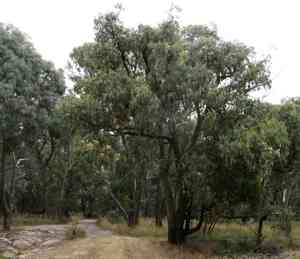
Eucalyptus obliqua, recognized for its towering height and coarse fibrous bark, thrives with trimming to preserve its form and well-being. The most suitable periods for pruning are late winter or early spring, concentrating on eliminating deceased, ailing, or intersecting limbs. Consistent thinning improves air movement and light exposure. Appropriate pruning stimulates robust new development and can deter pest outbreaks. To achieve superior outcomes, employ sanitized, sharp implements and refrain from extensive pruning that could harm the plant.
What Are the Benefits of Pruning Messmate?
What Are the Benefits of Pruning Messmate?
Pruning Messmate offers advantages by helping manage its dimensions, maintaining its form, and fostering robust development. Trimming also eliminates dead or unhealthy limbs, decreasing pest infestations and improving overall plant vitality.
What Is the Best Time for Pruning Messmate?
What Is the Best Time for Pruning Messmate?
Trimming Messmate during early spring and late winter is considered ideal because this period aligns with the plant's dormant stage and just before new growth begins. Pruning at these times minimizes stress on the plant, reducing the risk of disease and pest issues. Additionally, it ensures the plant can direct its energy towards strong growth and development without being hindered by older, unproductive branches. Early spring and late winter pruning also aid in shaping the plant's structure before the active growing season, promoting better health and vigor throughout the year.
What Tools Do I Need to Prune Messmate?
Hand pruners
Perfect for smaller branches and twigs up to approximately 1/2 inch in diameter. These are crucial for detailed trimming and shaping.
Loppers
Suitable for cutting thicker branches ranging from 1/2 inch to about 2 inches in diameter. Their extended handles provide leverage for tougher cuts.
Pole pruners
Useful for high branches that are difficult to reach. They feature extendable handles and a pruning saw attachment for cutting larger branches.
Pruning saw
Essential for branches too thick for loppers, typically larger than 2 inches in diameter. Select a pruning saw with a curved blade for efficient cutting.
Protective gloves
Crucial for safeguarding your hands while pruning, especially since Messmate can have tough and sometimes abrasive bark.
How to Prune Messmate
Inspect
Examine Messmate thoroughly to identify any dead or diseased branches. This will help focus efforts on the necessary areas.
Equipment
Ensure you have sharp, clean pruning tools, such as secateurs, loppers, or a pruning saw, to avoid causing additional damage or spreading disease.
Remove dead branches
Cut back dead branches to the nearest healthy part of the plant, taking care to make clean cuts just above a node or branch junction to encourage proper healing.
Remove diseased branches
Remove diseased branches by cutting well below the infected area to prevent further spread. Dispose of these branches away from the plant to avoid contamination.
Clean up
Clear away all trimmings and debris around Messmate to promote a healthy growing environment and reduce the risk of pest and disease issues.
Common Pruning Mistakes with Messmate
Over-pruning
Removing too many branches at once can stress Messmate and hinder its growth.
Incorrect cuts
Making improper cuts, such as cutting too close to the trunk or at the wrong angle, can lead to disease and pest entry points.
Pruning out of necessity
Pruning only when there are visible problems, rather than as a regular maintenance activity, can lead to larger, more damaging cuts later on.
Ignoring branch size
Failing to consider the size and age of the branches can result in removing too much old growth, which is crucial for the plantâs structure.
Common Pruning Tips for Messmate
Regular maintenance
Engage in regular, light pruning to prevent the need for aggressive cuts and to maintain the plant's natural shape.
Clean tools
Always use clean, sharp pruning tools to prevent disease transmission and create clean cuts.
Cut at the right angle
When making cuts, do so at a 45-degree angle away from the bud to encourage proper healing and growth.
Assess structure
Take time to assess the overall structure before starting. Focus on removing dead, damaged, or diseased branches first.
Thin out dense areas
Thin out areas where branches are too dense to promote air circulation and sunlight penetration, which helps in reducing disease risk.



