How to Prune Book-leaf mallee?
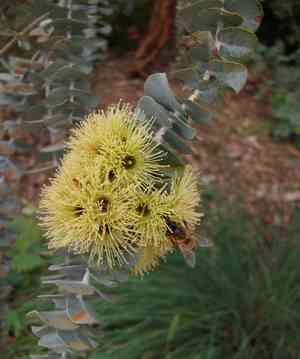
The book-leaf mallee, characterized by its circular, silver-blue foliage, thrives with trimming performed in early spring or late winter. Cut away any lifeless or frail branches to stimulate a denser growth habit. Refrain from extensive pruning, as this species reacts most favorably to moderate reductions. Minor upkeep throughout the year can preserve its neat form. Pruning improves air movement and light exposure, fostering the plant's general well-being.
Advantages of Trimming Book-leaf Mallee
Advantages of Trimming Book-leaf Mallee
Trimming book-leaf mallee preserves its appealing form and encourages robust development. Regular cutting helps manage its size and promotes denser foliage, boosting overall plant vitality and resistance to pests and diseases, making book-leaf mallee more visually appealing.
Optimal Period for Pruning Book-leaf Mallee
Optimal Period for Pruning Book-leaf Mallee
The best time to prune book-leaf mallee is during early spring and late winter. These seasons are ideal because they coincide with the plantâs dormant phase, lowering the risk of disease and pest infestations that are more common during active growth periods. Pruning at this time also ensures that book-leaf mallee can recover quickly as it enters its growing season, fostering healthier and more vigorous growth, and allowing more sunlight and air circulation which benefits the plant's overall health.
Tools Required for Pruning Book-leaf Mallee
Hand pruners
Perfect for cutting small branches and precise trimming tasks. Hand pruners are excellent for maintaining the overall shape and removing dead or damaged foliage of book-leaf mallee.
Loppers
Crucial for cutting thicker branches that hand pruners cannot manage. Loppers provide the necessary leverage for clean cuts on book-leaf mallee's more robust stems.
Pruning saw
Essential for removing larger branches. A pruning saw enables efficient cutting with minimal harm to book-leaf mallee, especially when shaping or reducing its size.
Pole pruner
Useful for reaching higher branches without needing a ladder. Pole pruners offer safety and accuracy for taller sections of book-leaf mallee.
Gloves
Important for protecting hands from sharp branches and thorns. Gloves ensure safe handling and reduce the risk of injury while pruning book-leaf mallee.
How to Prune Book-leaf Mallee
Preparation
Ensure your pruning shears are clean and sharp to prevent disease spread and make precise cuts.
Inspection
Thoroughly examine book-leaf mallee to identify any diseased or withered leaves that require removal.
Remedial action
Cut away any diseased leaves at their base, ensuring the cut is clean and smooth to avoid further damage to the plant tissue.
Withered removal
Carefully trim any withered leaves by cutting them at the point where they meet healthy parts of the plant, ensuring no remnants are left behind.
Disposal
Discard all removed leaves, especially diseased ones, by placing them in a bag and disposing of them properly to prevent disease spread.
Common Pruning Errors with Book-leaf Mallee
Over-pruning
Removing too much foliage at once can stress book-leaf mallee, impeding its growth and leading to poor health.
Improper cutting technique
Using dull or unclean tools can cause jagged cuts that take longer to heal and are more vulnerable to disease.
Pruning at the wrong time
Pruning outside the recommended periods can disrupt book-leaf mallee's growth cycle and diminish its ability to thrive.
Leaving stubs
Failing to make clean cuts near the branch collar can result in stubs that decay and attract pathogens.
Ignoring dead or diseased branches
Not removing dead or diseased branches can allow problems to spread throughout the entire plant.
General Pruning Advice for Book-leaf Mallee
Use sharp, clean tools
Ensure your pruning shears or saw are sharp and sanitized to make clean cuts and minimize the risk of infection.
Make angled cuts
Cut branches at a 45-degree angle to allow moisture to drain off, which helps prevent rot and diseases.
Focus on airflow
Thin out dense areas to improve air circulation within the canopy, which helps reduce the risk of fungal infections.
Remove dead, diseased, and damaged wood
Regularly inspect book-leaf mallee and remove any compromised branches to maintain overall plant health.
Shape selectively
Prune with a purpose by selectively removing branches to encourage a well-balanced and aesthetically pleasing growth habit.



