How to Prune Broadleaf peppermint gum?
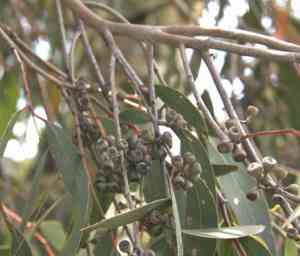
Eucalyptus dives, recognized for its fragrant foliage and swift development, thrives with regular trimming to preserve its form and well-being. Conduct pruning from late winter through early spring, prior to the emergence of new shoots. Eliminate any deceased or ailing branches and thin out congested sections to enhance air movement. Perform light trimming to manage its dimensions and foster a denser growth habit. Pruning additionally diminishes the likelihood of branch snapping and boosts the plant's general robustness. Employing sanitized, keen implements is essential for executing accurate cuts and averting the spread of pathogens.
What Are the Benefits of Pruning Broadleaf Peppermint Gum?
What Are the Benefits of Pruning Broadleaf Peppermint Gum?
Broadleaf peppermint gum thrives with pruning, promoting vigorous growth and maintaining its form. Trimming encourages new shoots, keeping the plant healthy and visually appealing. It also helps manage size, prevents illness, and improves air flow within the canopy.
What Is the Best Time for Pruning Broadleaf Peppermint Gum?
What Is the Best Time for Pruning Broadleaf Peppermint Gum?
Pruning broadleaf peppermint gum during late winter and early spring is optimal as it aligns with the plant's dormant phase. At this time, broadleaf peppermint gum is less vulnerable to stress and disease, as its growth slows. Pruning then stimulates robust new growth when the plant exits dormancy. Furthermore, cutting back before the active growing season ensures broadleaf peppermint gum's energy is directed towards healthy development rather than sustaining old growth. This timing also helps avoid disrupting any potential flowering or fruiting cycles, preserving the plant's ornamental and ecological value.
What Tools Do I Need to Prune Broadleaf Peppermint Gum?
Bypass pruners
Bypass pruners are perfect for making clean cuts through small branches and twigs, minimizing damage and encouraging healthy regrowth. Broadleaf peppermint gum has relatively soft wood, making this tool very effective.
Lopping shears
Loppers offer increased leverage and cutting power for thicker branches, often found on mature broadleaf peppermint gum specimens. They help maintain the plant's structure without excessive strain.
Pruning saw
Pruning saws are crucial for cutting larger branches that are too thick for loppers. They provide accurate cuts which are important for the health of broadleaf peppermint gum.
Pole pruners
Pole pruners are useful for reaching elevated branches without needing a ladder, which is especially helpful given broadleaf peppermint gum's potential height.
Horticultural knives
These are beneficial for removing any small shoots or suckers that may emerge at the base of broadleaf peppermint gum. A sharp knife ensures a clean cut, preventing harm to the plant.
How to Prune Broadleaf Peppermint Gum
Inspect
Before beginning, thoroughly examine broadleaf peppermint gum to identify dead and diseased branches. Dead branches often appear dry and brittle, while diseased branches may show signs of discoloration or fungal growth.
Sanitize
Sanitize your pruning tools with a solution of one part bleach to nine parts water to prevent the spread of disease from one part of broadleaf peppermint gum to another.
Remove dead
Carefully trim dead branches back to the point where they connect to a main branch or trunk. Ensure you make clean cuts to promote healthy regrowth.
Remove diseased
Prune diseased branches by cutting at least 6 inches below the affected area to ensure complete removal of the disease. Promptly dispose of these prunings to prevent reinfection.
Cleanup
After pruning, thoroughly clean up all fallen branches and leaves around broadleaf peppermint gum to reduce the risk of disease spreading and to keep the area tidy.
Common Pruning Mistakes with Broadleaf Peppermint Gum
Over-pruning
Removing too much foliage at once can stress broadleaf peppermint gum, hindering its growth and making it vulnerable to disease.
Improper cutting technique
Using dull or incorrect tools can cause ragged cuts, leading to an increased chance of infection and slower healing.
Ignoring dead or diseased branches
Failing to remove these can spread disease to healthy parts of the plant, compromising overall health.
Pruning at the wrong growth stage
Cutting broadleaf peppermint gum back during periods of excessive growth can interfere with its natural growth cycle and vigor.
Common Pruning Tips for Broadleaf Peppermint Gum
Use sharp, clean tools
Always ensure your pruning shears and saws are sharp and sterilized to make clean cuts and prevent the spread of disease.
Remove dead or diseased wood first
Start by cutting away any visibly dead or diseased branches to promote healthy growth and prevent infection.
Prune for shape and air circulation
Trim to maintain a desirable shape and ensure good air circulation through the foliage. This reduces the risk of fungal diseases and allows sunlight to penetrate.
Make precise cuts
Cut just above a bud that is facing outwards to encourage outward growth, helping broadleaf peppermint gum maintain a healthy, natural shape.



