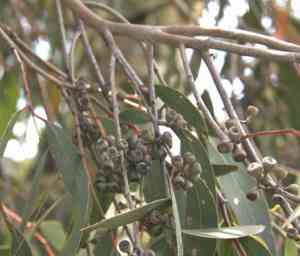
Broadleaf peppermint gum(Eucalyptus dives)

Broadleaf peppermint gum (Eucalyptus dives)

Also known as: Broad-leaved Peppermint, Broad-leaved Peppermint Gum

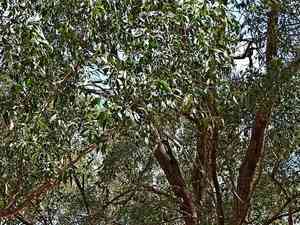
The broadleaf peppermint gum tree (Eucalyptus dives) is a resilient evergreen species distinguished by its broad, peppermint-scented leaves and distinctive mottled, peeling bark. Predominantly found in Australian woodlands, this tree plays a crucial ecological role. Its aromatic leaves serve as a food source for native wildlife such as koalas. The tree's tall structure and open canopy allow filtered sunlight to reach the forest floor, influencing the diversity and growth patterns of understory plants. Furthermore, the essential oils in its leaves may help deter pests and diseases, contributing to the overall health of the ecosystem.

Attributes of Broadleaf peppermint gum

Lifespan
Perennial
Plant Type
Tree
Plant Height
15-25 meters
Spread
6-10 meters
Leaf Color
Dark Green
Flower Size
0.7-1 cm
Flower Color
White to Cream

ForwardPlant - Identify plants with a snap

Identify and diagnose plants, get toxicity alerts, and explore safety guides for all types of fungi.

Try for Free

Images of Broadleaf peppermint gum

Broadleaf peppermint gum(Eucalyptus dives)

Quickly Identify Broadleaf peppermint gum

1
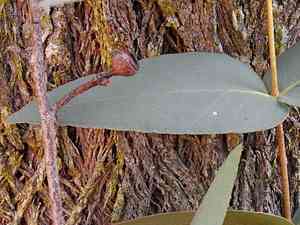
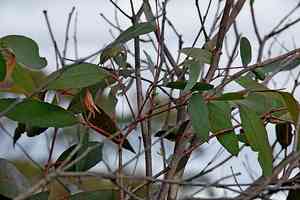
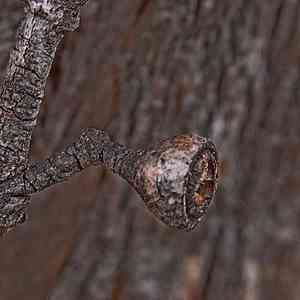
Eucalyptus dives can be identified by its broad, glossy green leaves that are rich in aromatic oils. The bark is rough and fibrous, and the tree produces small white to cream-colored flowers.

Scientific Classification of Broadleaf peppermint gum

Phylum
Vascular plants
Class
Dicotyledons
Order
Myrtales
Family
Myrtle
Genus
Eucalypts
Species
Broadleaf peppermint gum

Planting and Growing of Broadleaf peppermint gum

Care Difficulty
Moderate
Watering Schedule
Every 2 days
Sunlight Requirements
Full sun
Sunshine Duration
4-8 hours
Ideal Temperature
60-75℉
Soil Type
Potting Mix, Peat Mix
Soil pH
6-7.5
Fertilizer Type
Balanced
Pruning Season
Spring, Summer
Pruning Area
Branches, Leaves
Pruning Frequency
2 times a year
Repotting Season
Spring
Pot Type
Plastic, Ceramic

water icon How to Water Broadleaf peppermint gum?

Eucalyptus dives prefers moderate watering. Ensure the top 2 inches of soil are dry before watering again. Each watering session should deliver approximately 500 ml of water, making sure it seeps through the soil evenly to reach the roots without overwhelming them. Aim for a gentle and steady drench that promotes healthy root growth.
What are the symptoms of an underwatered Broadleaf peppermint gum?
What should I do if my Broadleaf peppermint gum is not getting enough water?
What are the symptoms of an overwatered Broadleaf peppermint gum?
How to save an overwatered Broadleaf peppermint gum?

sunlight icon What Are the Sunlight Requirements for Broadleaf peppermint gum?

Sunlight Requirements: Full sun
Duration of light: 8 to 10 hours daily
Eucalyptus dives thrives best under full sun, requiring 8 to 10 hours of direct sunlight daily. Adequate sunlight ensures healthy growth, vibrant leaves, and enhances its natural resilience to environmental stressors.
What is the ideal light condition for Eucalyptus dives?
How can you ensure Eucalyptus dives gets the ideal light?
What benefits do ideal lighting conditions offer Eucalyptus dives?

temperature icon What Is the Ideal Temperature Range for Broadleaf peppermint gum?

Ideal Temperature: 60 ~ 75℉
Eucalyptus dives thrives best in temperatures ranging from 60°F to 75°F. This temperature range allows for optimal photosynthesis and metabolism, promoting robust growth and healthy foliage. Maintaining such conditions ensures that the plant can efficiently utilize nutrients and water, minimizing stress and maximizing resistance to pests and diseases.

soil icon What Soil is Best for Broadleaf peppermint gum?

Soil type: Sandy soil, Loam, Sandy loam
Soil PH: 6 ~ 7.5
Eucalyptus dives thrives best in well-drained soils, which prevent waterlogging and root rot. Good drainage ensures that the roots can access sufficient oxygen, allowing for healthy growth and vitality. A soil rich in nutrients supports the robust growth of Eucalyptus dives, enabling it to develop strong stems and vibrant foliage. Nutrient-rich soils contribute to the plant’s ability to produce its aromatic oils effectively. While Eucalyptus dives prefers well-drained soils, maintaining moderate moisture levels is essential. This balance ensures that the plant receives adequate hydration without the risk of waterlogged soil conditions.

fertilize icon How to Fertilize Broadleaf peppermint gum?

Fertilizer type: Balanced
Eucalyptus dives prefers a balanced approach to fertilization. For liquid fertilizers, use about 1/2 strength of an all-purpose plant food, ensuring the application does not exceed 0.5 kg of nitrogen per hectare per year. Solid fertilizers should be used sparingly to avoid nutrient overload.

prune icon How to Prune Broadleaf peppermint gum?

Pruning Time: Spring, Summer
Begin by identifying any dead or diseased branches and remove them promptly using clean, sharp shears. Encourage new growth by selectively cutting back longer branches to a node where new leaves are emerging. Aim for a balanced shape, ensuring to keep the canopy open to allow for adequate light and airflow. More About Pruning Techniques

propagate icon How to Propagate Broadleaf peppermint gum plant?

Propagate Time: Spring,Late spring
1
Select healthy branches and cut sections about 10-15 cm long. Remove the lower leaves to expose nodes that will foster root growth. Dipping the cutting in rooting hormone is beneficial to enhance rooting.
2
Use a well-draining potting mix that can retain moisture yet allow excess water to escape. Incorporate materials like perlite or sand to improve aeration, which helps in root development.
3
Sow the seeds thinly onto fine soil. Cover them lightly with a thin layer of the substrate. Keep the soil moist but not waterlogged. Use a propagator cover to maintain consistent warmth.
More About Propagating Techniques

repot icon How to Repot Broadleaf peppermint gum plant?

Repotting frequency: Every 2-3 years
1
Repotting Eucalyptus dives is ideally done when you notice roots emerging from the drainage holes. This signals that the plant has outgrown its current pot. Additionally, a general slowdown in growth or water absorption can indicate it's time for a repot. These signs are usually best observed in spring or early summer when the plant is actively growing.
2
Select a pot that is one to two inches larger in diameter than the current one. This increment helps prevent overwatering while allowing the roots to spread gradually. Ensure the pot has sufficient drainage holes to avoid waterlogged roots, which could lead to root rot—a common ailment if drainage is poor.
3
Opt for a well-draining, loamy soil mix to ensure optimal growth conditions. This type of soil maintains moisture without becoming waterlogged, providing enough aeration which is crucial for root health. A good mix typically includes a combination of peat, pine bark, and perlite to keep the substrate light and airy.

ForwardPlant - Identify plants with a snap

Find the best spots for them to optimize their health, simply using your phone.

Try for Free

Toxicity

ingestion, inhalation of essential oils

Identify toxic plants for your safety

Learn which plants are harmful to you and your pets, and make informed choices for a safer home!

Try for Free
WARNING
The judgment on toxicity and danger is for reference only. We DO NOT GUARANTEE any accuracy of such judgment. Therefore, you SHALL NOT rely on such judgment. It is IMPORTANT TO SEEK PROFESSIONAL ADVICE in advance when necessary.