How to Prune Karri?
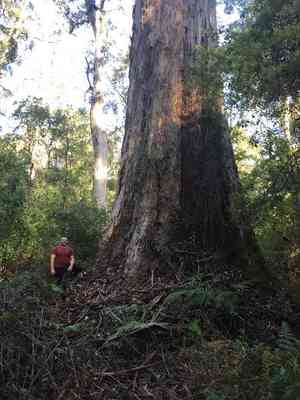
Originating from Australia, karri is a majestic woodland tree recognized for its sleek bark and impressive stature. Efficient trimming entails eliminating deceased or ailing limbs, reducing the density of the crown for improved light and air circulation, and sculpting for visual attractiveness or spatial clearance. Perform karri pruning in the latter part of winter or early spring, prior to its phase of active development. Pruning at this time aids in wound recovery, stimulates robust growth, hinders the dissemination of ailments, and preserves the tree's foundational soundness.
Advantages of Trimming Karri
Advantages of Trimming Karri
Trimming karri promotes robust development and preserves its desired form. Thoughtful branch removal can foster a stronger framework and vigor, ensuring karri stays sturdy and visually appealing.
Optimal Period for Pruning Karri
Optimal Period for Pruning Karri
Pruning karri in late winter aligns with its dormant phase just before spring's active growth, minimizing stress and sap loss. Early spring is ideal for quick wound recovery, coinciding with new growth, and reducing disease and pest risks. It allows removal of frost damage and directs the plant's energy to producing strong, healthy new shoots.
Essential Tools for Pruning Karri
Bypass pruners
Suitable for cutting live plant material without harm to karri, ensuring clean cuts.
Loppers
Perfect for reaching higher karri branches and providing leverage for thicker stems.
Pruning saw
Required for branches exceeding 1.5 inches in diameter, allowing management of karri's larger limbs.
Pole pruner
Useful for safely accessing and cutting elevated branches without needing to climb karri.
Hedge shears
Appropriate for shaping karri if maintained as a hedge or for a formal look.
Chainsaw
Effective for removing very thick branches or reducing a mature karri's height, but use with caution and proper safety gear.
Steps for Pruning Karri
Clean Tools
Before pruning karri, sanitize all tools with a 1:9 bleach-to-water solution to prevent disease spread.
Identify
Inspect karri for dead or diseased branches, which often appear discolored, shriveled, or show signs of fungal infection or insect damage.
Safety
As karri can be very tall, ensure safe climbing practices or use equipment like pole pruners to reach high branches without risking personal safety.
Cut
Prune dead or diseased branches with clean, angled cuts just above a bud or branch junction, being careful not to harm the collar for proper healing.
Dispose
Remove and discard all pruned material away from karri to minimize re-infection risk or pest attraction.
Common Pruning Errors with Karri
Over-Pruning
Removing too much foliage can weaken karri by depleting energy reserves, making it more vulnerable to pests, diseases, and environmental stress.
Improper Cuts
Incorrect cutting techniques can result in jagged or torn bark, potentially leading to disease or infestation. Clean cuts are crucial for the plant's healing.
Unnecessary Live Tissue Pruning
Unwarranted cutting of live wood can expose the plant to potential infection and does not benefit karri's health or appearance.
Neglecting Tool Hygiene
Not disinfecting tools between uses can transfer pathogens from infected plants to healthy ones during pruning.
General Pruning Advice for Karri
Use Sharp Tools
Sharp and clean pruning shears, saws, or loppers create precise cuts that heal quickly, reducing disease risk.
Remove Deadwood
Focus on eliminating any dead or damaged branches to help maintain karri's health and vitality.
Pruning For Shape
Selective pruning should aim to preserve karri's natural form, removing only what is necessary to enhance its structure and stability.
Disinfect Tools
Regularly sanitize pruning tools to prevent disease transfer between plants.



