Enhancing Your Garden Design with the Karri Plant: A Landscaping Guide
1
Karri flourishes in soil that drains effectively and receives ample sunlight.
2
Its impressive stature positions Karri as a superb option for striking landscape design.
3
Consistent trimming is crucial for preserving Karri's vitality and form.
Understanding Karri's Role in Landscaping
Visual Appeal: Karri's aesthetic characteristics
Karri is celebrated for its striking visual charm, presenting a grand presence in any outdoor setting. Its bark often displays a distinct, mottled look, offering a textured contrast to its smooth, green leaves. The foliage maintains a vibrant green for most of the year, adding a lush, lively element to gardens and parks. Furthermore, the leaves possess a subtle, pleasant scent that can enrich the sensory experience of a garden.
Height and Structure: Karri's towering stature
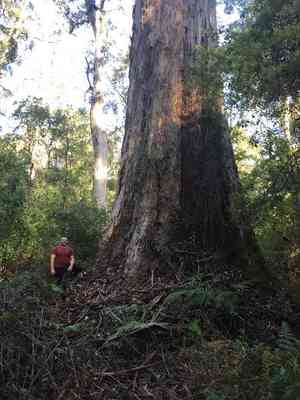
Karri is renowned for its impressive height, frequently reaching significant elevations that dominate the landscape. This towering presence can establish natural focal points in expansive gardens or parks, drawing the eye and adding vertical interest. The tree's structure, with its strong, upright trunk and sturdy branches, can also offer shade and a sense of majesty to outdoor areas. Such structural elements are beneficial for crafting a layered, multi-dimensional landscape design.
Seasonal Changes: Karri's color shifts throughout the year
One of Karri's most captivating features is its seasonal transformation. In spring, new growth brings a fresh, bright green hue, symbolizing renewal. As summer progresses, the foliage deepens to a richer green, providing a consistent backdrop for various flowering plants. In autumn, Karri may show subtle changes in leaf color, adding depth and interest to fall landscapes. Understanding these seasonal transitions is vital for planning a dynamic and evolving garden.
Optimal Placement of Karri in Gardens and Parks
Considering Sunlight: Karri's light requirements
Karri thrives in full sunlight, needing a spot where it can receive ample light all day. When planning your landscape, select a location not shaded by other large trees or structures. Sufficient sunlight not only promotes healthy growth but also enhances the tree's visual appeal, as its leaves will be lush and vibrant. If light is limited, consider pruning nearby plants or relocating other garden elements to maximize light exposure for Karri.
Soil Preferences: Ideal soil conditions for Karri
For robust growth, Karri prefers well-drained soil with a slightly acidic to neutral pH. Ensuring good drainage is crucial to prevent waterlogging, which can harm the tree's roots. Incorporate organic matter, such as compost, into the planting area to improve soil structure and fertility. Regularly test the soil pH and make necessary adjustments with amendments like lime or sulfur to keep it within Karri's optimal range.
Spacing Considerations: Karri's spatial needs
Given its potential height and width, Karri requires ample space to grow without competing with other plants. For optimal development, ensure sufficient room for roots to spread and the canopy to flourish. Avoid planting Karri too close to buildings, fences, or other trees, as this can lead to structural issues and impede its growth. Aim to provide at least 20-30 feet of clearance around the tree, depending on its expected mature size.
Integrating Karri with Other Plants
Complementary Planting: Plants that thrive with Karri
When incorporating Karri into your landscape, consider plants with similar soil and sunlight needs. Native grasses, shrubs, and flowers that flourish in well-drained, sunny conditions can beautifully complement Karri. Plants like lavender, rosemary, and native wildflowers can create an inviting understory, enhancing the garden's overall aesthetic and ecological health. These companion plants not only add visual interest but also foster biodiversity and a balanced ecosystem.
Avoiding Clashes: What not to plant near Karri
To ensure Karri's health and vitality, avoid planting species that might compete for resources or have conflicting growth habits. Large, water-demanding trees or shrubs could compete for nutrients and moisture, hindering Karri's growth. Additionally, steer clear of plants requiring significantly different soil pH or light conditions, as this can lead to maintenance challenges and poor plant health. Careful selection and placement of plants will help create a harmonious and thriving landscape.
Creating Harmony: Design techniques for a balanced garden
Achieving harmony in your garden design involves thoughtful planning and layering. Use Karri as a central or backdrop element, around which you can build various plant layers of different heights and textures. This creates depth and visual interest. Incorporate pathways or seating areas to break up the space and provide vantage points to appreciate Karri and its companions. Balance the foliage types and colors to ensure a cohesive and visually pleasing garden throughout the seasons.
Maintenance Tips for Karri in Landscape Settings
Pruning Practices: Best techniques and timings
Regular pruning is crucial for maintaining Karri's structural integrity and aesthetic appeal. The ideal time to prune is during its dormant period, typically in late winter before new growth begins. Focus on removing any dead or diseased branches and thinning out dense areas to improve air circulation and sunlight penetration. Use clean, sharp pruning tools for precise cuts, and avoid over-pruning, which can stress the tree and encourage undesirable growth.
Pest Management: Common pests and how to handle them
Karri can be vulnerable to various pests, including beetles and borers. Regularly inspect the tree for signs of infestation, such as holes in the bark or discolored leaves. If pests are found, implement appropriate control measures, such as introducing beneficial insects, applying organic insecticides, or using traps. Maintaining overall tree health through proper watering, feeding, and pruning can also help prevent pest outbreaks and ensure Karri remains robust and healthy.
Seasonal Care: Adjusting care with changing seasons
Seasonal changes necessitate adjustments in Karri's care routine. In spring, apply a balanced fertilizer to support new growth. During hot summer months, ensure the tree receives adequate water, especially during dry spells, while avoiding over-watering. In autumn, focus on mulching to insulate roots and retain soil moisture. As winter approaches, protect the tree from harsh weather conditions by ensuring it is well-hydrated and removing any weak or damaged branches.



