How to Prune Napa fawn lily?
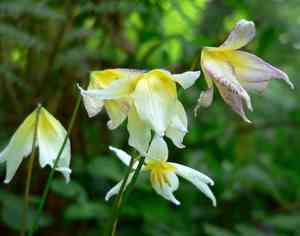
This eye-catching perennial, featuring variegated leaves and blossoms of pinkish-lavender, napa fawn lily, flourishes with very little trimming. In spring, remove any withered or compromised foliage to foster vigorous development and preserve its visual appeal. Removing spent flowers after they bloom, mainly in early summer, improves the plant's output in the following year by stopping seed distribution. Trimming is both minimal and crucial for strong growth and abundant flowering, guaranteeing that napa fawn lily continues to be a standout feature in any garden.
What Are the Benefits of Pruning Napa Fawn Lily?
What Are the Benefits of Pruning Napa Fawn Lily?
Trimming napa fawn lily promotes robust development and maintains its desired shape. Eliminating faded blooms and any congested or lifeless foliage improves health and visual appeal, fostering denser, more vigorous growth.
What Is the Best Time for Pruning Napa Fawn Lily?
What Is the Best Time for Pruning Napa Fawn Lily?
Pruning napa fawn lily in Spring and Summer aligns with its post-flowering stage when the plant's growth cycle has slowed, and resources shift from bloom production to root and foliage health. This timing ensures napa fawn lily has ample energy to recover from pruning without jeopardizing its flowering potential for the subsequent season. Additionally, warmer spring and summer temperatures facilitate faster wound healing, reducing the risk of infections or diseases.
What Tools Do I Need to Prune Napa Fawn Lily?
Small Bypass Pruners
These pruners are ideal for cutting small-diameter stems and delicate flowers that may need trimming to preserve the health and look of napa fawn lily. Their sharp, precise blades allow for clean cuts without harming plant tissues, which is essential for napa fawn lily's longevity and vigor.
Floral Snips
Perfect for refining the shape of napa fawn lily and removing spent flowers during and after the blooming period. Floral snips offer enhanced precision and control, especially useful for handling the tender and often fragile stems of napa fawn lily.
Gardening Gloves
Though not a direct pruning tool, gloves are crucial for shielding hands from thorns, sap, or rough foliage during the pruning of napa fawn lily. They ensure the gardener can work comfortably and safely.
How to Prune Napa Fawn Lily
Identify
Examine and assess the state of napa fawn lily's leaves and stems, specifically looking for indications of disease or wilting. Detecting discoloration or unusual spots on leaves and stems is vital for proper upkeep.
Disinfect
Before beginning pruning, sanitize your pruning tools. This is crucial to prevent the spread of any pathogens to healthy parts of napa fawn lily. Use a bleach solution or rubbing alcohol to clean your shears or scissors.
Remove leaves
Carefully take off diseased and withered leaves from napa fawn lily. Use your sanitized pruning shears to snip the leaves at their base, avoiding damage to the bulb and other healthy sections of the plant.
Trim stems
Cut off any diseased stems. Trim the affected stems back to healthy tissue, ensuring clean cuts that avoid jagged edges which might harbor disease organisms. This process also aids in promoting healthier growth.
Cleanup
After pruning, it's important to clear away any fallen debris from around napa fawn lily. Properly dispose of the diseased and withered leaves and stems to prevent any potential reintroduction of disease or pests to the area.
Common Pruning Mistakes with Napa Fawn Lily
Over-pruning
Removing too much foliage from napa fawn lily can significantly stress the plant, potentially leading to reduced flowering and vigor. Especially for beginners, there's a tendency to prune excessively, mistaking dormant or natural characteristics of the plant as parts that require removal.
Improper technique
Using dull or dirty pruning tools can harm the delicate tissues of napa fawn lily, increasing the risk of disease and hindering healthy regrowth. Similarly, tearing or ripping at the plant instead of making clean cuts can damage the plant's overall health.
Timing misunderstandings
Ignoring the natural life cycle of napa fawn lily when pruning can interfere with its growth and blooming cycles. While timing specifics are covered elsewhere, misunderstanding when to prune can lead to cutting the plant at unsuitable times.
Common Pruning Tips for Napa Fawn Lily
Clean cut
Always use sharp, clean tools to make precise cuts. This practice helps prevent infections and allows for quicker healing of the pruned areas.
Consider plant health
Before pruning, assess the overall health of napa fawn lily. Remove only the parts that are dead or diseased to avoid unnecessary stress to the plant. This selective pruning helps maintain the structure and health without stimulating excessive new growth that the plant cannot support.
Protect the bulb
Since napa fawn lily is a bulbous species, it is crucial to avoid cutting into the bulb itself. Focus on the foliage and spent flower stems. Ensuring that the bulb remains undamaged is vital for the continued vitality of the plant.
Encourage natural shape
Aim to maintain the natural arching shape of napa fawn lily's foliage when pruning. Over-shaping or trying to enforce an unnatural form can hinder the plant's natural growth patterns and aesthetic appeal.



