How to Prune Curly wallflower?
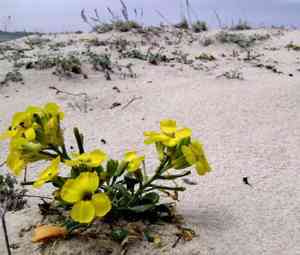
The curly wallflower is recognized for its aromatic, vivid flowers and distinctive curled leaves. To preserve its form and vitality, perform pruning in late winter or early spring prior to the emergence of new shoots. Eliminate any deceased or ailing branches and reduce density in congested zones to enhance air movement. Consistent trimming fosters more abundant flowering and deters elongated growth, thereby improving the plant's general look and robustness.
What Are the Benefits of Pruning Curly Wallflower?
What Are the Benefits of Pruning Curly Wallflower?
Pruning curly wallflower promotes robust development and maintains its form. Regular trimming helps control plant size, enhances blooming, and improves its overall look by removing dead or diseased stems, which also lowers the chance of pest infestations.
What Is the Best Time for Pruning Curly Wallflower?
What Is the Best Time for Pruning Curly Wallflower?
Trimming or cutting back curly wallflower in early spring and late winter is optimal as these periods align with the plant's growth cycle. Late winter pruning prevents potential harm from severe weather and prepares the plant for vigorous growth in the warmer months ahead. Early spring pruning ensures the plant is shaped and healthy before its main flowering season. Both timings allow the plant to recover and produce blooms without stress, ultimately boosting its health and strength.
What Tools Do I Need to Prune Curly Wallflower?
Hand Pruners
Ideal for snipping off dead or damaged branches. Their compact size and accuracy make them perfect for the delicate stems of curly wallflower.
Bypass Pruners
Useful for clean cuts on live stems and branches. The bypass mechanism ensures minimal harm to the plant tissue.
Pruning Shears
Suitable for trimming overgrown foliage and shaping the plant. Essential for keeping curly wallflower neat.
Gloves
Protect hands from potential thorns and irritants during pruning. Since curly wallflower has delicate leaves and stems, gloves help prevent accidental damage to the plant.
How to Prune Curly Wallflower
Assess
Inspect curly wallflower for any indications of diseased or withered leaves that require removal. Identifying these parts early helps maintain the plant's health.
Clean Tools
Ensure your pruning implements are clean and sharp to prevent disease spread and make precise cuts.
Remove Diseased
Carefully trim away any diseased leaves. Cut back to healthy tissue or the nearest stem, making sure to discard the removed parts away from curly wallflower to prevent contamination.
Remove Withered
Trim any withered leaves by cutting back to the nearest healthy stem or leaf node. This will encourage new growth and enhance the plant's overall appearance.
Dispose Waste
Gather all trimmed parts and dispose of them properly. Do not compost diseased leaves to avoid potential disease spread. Clean your tools again after use.
Common Pruning Mistakes with Curly Wallflower
Incorrect technique
Improper cutting methods, such as tearing or crushing stems instead of using clean, sharp cuts, can harm plant tissues and create entry points for disease.
Over-pruning
Removing too much foliage at once can stress curly wallflower, reducing its ability to photosynthesize and recover, which can ultimately hinder growth and flowering.
Pruning at the wrong age
Pruning curly wallflower too early or too late in its development can impede growth. Young plants may only need light pruning, while older, established plants can handle more extensive trimming.
Common Pruning Tips for Curly Wallflower
Sharp tools
Always use clean, sharp tools to make precise cuts. This minimizes plant damage and reduces disease risk.
Pinching back
Pinch back the tips of new growth during the growing season to encourage a bushier and more compact form. This helps prevent leggy or sparse growth.
Remove dead parts
Regularly remove any dead, damaged, or diseased leaves and stems. This helps maintain overall plant health and prevents disease spread.
Avoid major pruning
Avoid significant pruning during high-stress conditions like extreme heat or drought. This helps curly wallflower retain as much energy as possible for recovery and growth.
Cut above leaf node
Always make cuts just above a leaf node or a bud, as this encourages new growth from that point and creates a healthier structure.



