How to Prune European wallflower?
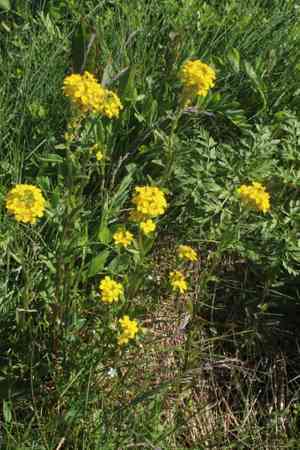
The European wallflower exhibits vivid, aromatic blossoms and a dense, shrub-like form. To ensure peak vitality, perform pruning in early spring or late winter, eliminating any deceased or compromised stalks to foster robust development. Snip off faded flowers throughout the blooming period to stimulate ongoing flowering. Generally, only light pruning is necessary, but shaping can be undertaken to preserve an appealing structure. Pruning aids in improving air movement and light exposure, thereby averting ailments and boosting plant strength. Always employ sharp, disinfected implements for precise incisions.
Advantages of Trimming European Wallflower
Advantages of Trimming European Wallflower
European wallflower thrives with trimming, leading to robust development and shape retention. Pruning encourages vigorous growth, enhances bloom production, and manages plant size, thereby improving its look and disease resistance. Consistent trimming ensures these benefits persist.
Optimal Time for Pruning European Wallflower
Optimal Time for Pruning European Wallflower
Trimming european wallflower in early spring or late winter is ideal as it coincides with the plant's dormant phase, minimizing stress and enabling strong regrowth. These periods precede active growth, ensuring european wallflower has ample time to recover and produce new shoots before blooming. Pruning at these times also helps prevent diseases and pest infestations that might occur if cuts are made during warmer, more active growth periods.
Essential Tools for Pruning European Wallflower
Hand Pruners
Perfect for european wallflower's slender stems and precise cuts. Hand pruners facilitate clean cuts, promoting healthy regeneration.
Bypass Pruners
Effective for cutting fresh, green stems. The scissor-like action of bypass pruners prevents crushing plant tissue.
Pruning Shears
Best for shaping and deadheading european wallflower. These shears provide a clean cut, helping to prevent disease.
Garden Scissors
Excellent for detailed trimming tasks and snipping small branches or leaves on european wallflower. Easy to handle and maneuver.
How to Prune European Wallflower
Remove diseased leaves
Carefully inspect european wallflower for any leaves showing signs of illness, such as discoloration, spots, or mold. Use sanitized pruning shears to snip these leaves at their base to prevent disease spread.
Dispose of diseased leaves
Promptly discard diseased leaves in a sealed bag or incinerate them. Do not compost them, as this can transmit diseases to other plants.
Remove withered leaves
Identify any dried or shriveled leaves. These are typically found at the lower sections of european wallflower. Trim these leaves back to where they meet healthy tissue using clean pruning shears.
Clear Basal Area
Remove any fallen leaves or debris from around the base of european wallflower to enhance air circulation and reduce the risk of fungal infections. This also provides a clear view of the plant's structure for accurate pruning.
Inspect Regularly
Make it a routine to frequently check european wallflower for new signs of diseased or withered leaves, especially after humid or rainy periods. Promptly remove any affected leaves to maintain plant health.
Common Pruning Errors with European Wallflower
Excessive pruning
Removing too much of the plant at once can stress european wallflower, potentially hindering its growth or reducing its flowering capacity.
Incorrect cutting technique
Using dull or unsuitable tools can result in jagged cuts, making the plant vulnerable to disease and pests. Sharp, clean tools are crucial.
Pruning at the wrong stage of growth
Cutting back european wallflower either too early or too late in its growth cycle can negatively impact blooming. Adhere to the appropriate growth stage based on the plant's cycle.
Ignoring dead or diseased wood
Failure to remove dead or diseased parts can lead to further infection spread, diminishing the overall health of the plant.
Ignoring the plant's natural shape
Pruning without considering the natural growth pattern can lead to a misshapen and unattractive appearance.
General Pruning Advice for European Wallflower
Use sharp, clean tools
Always use sharp pruners or scissors to make clean cuts, minimizing the risk of damage and disease.
Start with dead or diseased wood
Begin pruning by removing any dead, diseased, or damaged branches to prevent infection spread and encourage healthier growth.
Prune lightly
Avoid heavy pruning; european wallflower responds well to light, selective cuts. Focus on removing unwanted growth and maintaining shape rather than aggressive cutting.
Follow growth patterns
Prune in a way that preserves the plant's natural shape and allows for good air circulation. This reduces disease risk and promotes abundant flowering.
Regular inspections
Conduct frequent checks throughout the growing season to identify and address any issues early. Consistent monitoring helps catch diseases or pests before they become severe problems.



