How to Overwinter European wallflower
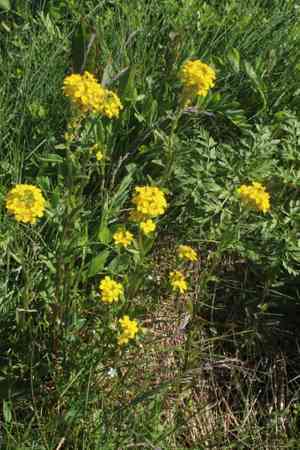
1
The European wallflower withstands frost and endures cold winters.
2
Appropriate mulching greatly improves the plant's winter survival prospects.
3
Regular yet restricted watering is crucial in winter to avoid root decay.
Why Overwinter European wallflower?
Why Overwinter European wallflower?
The European wallflower enhances any garden with its vibrant flowers and pleasant scent. Although this plant tolerates frost, it benefits from winter care to maintain its health and ensure abundant spring blooms. Overwintering protects the plant from harsh conditions, reduces frost and snow damage, and provides resources for vigorous growth when temperatures rise. Proper overwintering of your European wallflower leads to a healthier plant and more blossoms.
Step-by-Step Guide to Overwintering European wallflower
Inspecting and Pruning
The initial step in overwintering involves checking plants for disease or pest signs. Remove affected leaves or stems to prevent disease spread. Lightly prune the plant to maintain shape and improve air circulation, reducing fungal issues. Avoid heavy pruning, which can stress the plant; focus on removing dead or damaged parts only.
Soil Preparation
Proper soil preparation is crucial for successful overwintering. Ensure the soil drains well, as waterlogged conditions can cause root rot. Improve drainage by mixing in sand or perlite if your soil is heavy. Enrich the soil with compost or a balanced, slow-release fertilizer to provide nutrients through winter. This helps European wallflower maintain strength and vigor during the cold season.
Mulching Techniques
Mulching effectively insulates the soil and shields roots from extreme cold. Apply a thick layer of mulch (about 5-10 cm or 2-4 inches) around the plant's base. Materials like straw, wood chips, or shredded leaves work well. Keep the mulch a few centimeters (inches) away from stems to prevent rot. This layer helps retain moisture, regulate soil temperature, and provides a frost barrier.
Watering Guidelines Over Winter
While European wallflower needs less water in winter, keeping the soil slightly moist is important. Water thoroughly before the ground freezes, ensuring enough moisture for colder months. Afterward, water sparingly, about once a month, unless dry spells are prolonged. Excessive water can cause root rot, so be cautious and always check soil moisture before watering.
Pest and Disease Management in Winter
Even in winter, pests and diseases can affect your European wallflower. Watch for common pests like aphids and spider mites, which sometimes thrive in sheltered garden spots. If found, treat immediately with insecticidal soap or neem oil. Keep the area around the plant clean and free of debris to minimize fungal disease risk. Regular monitoring is key to early problem detection and mitigation.
What to Do After Winter
Checking for Winter Damage
As winter ends, inspect your European wallflower for any damage. Look for broken stems, frost burn, or discoloration. Trim off dead or damaged parts to encourage healthy new growth. Assess the soil for compaction or poor drainage and fix these issues by gently loosening the topsoil and, if needed, improving drainage with organic matter.
Pruning and Preparing for Spring
After checking for and addressing winter damage, prepare your European wallflower for the growing season. Prune the plant to shape it and remove any winter-weakened stems. Apply a balanced fertilizer to stimulate new growth, and ensure the soil remains moist but well-draining. With proper care, your European wallflower will soon provide beautiful spring blossoms.



