How to Prune Headland wallflower?
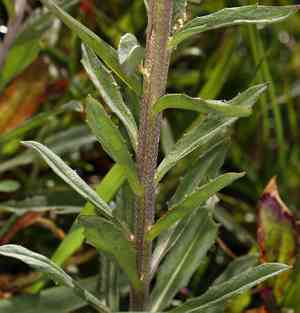
Erysimum Headland wallflower features vibrant, aromatic blossoms, making it a favored garden specimen. Perform trimming in early spring or late winter to sculpt the plant, eliminate deceased or compromised stalks, and stimulate robust development. Confirm that incisions are made directly above a leaf joint to foster branching. Consistent trimming aids in preserving a tidy look and boosts bloom production. Always employ sanitized, keen implements to avert illness. Periodic trimming corresponds with the headland wallflower's developmental rhythm, optimizing its vitality and aesthetic appeal.
What Are the Benefits of Pruning Headland Wallflower?
What Are the Benefits of Pruning Headland Wallflower?
Trimming headland wallflower encourages robust growth, maintains desired form, boosts blooming, and reduces pest issues. Regular cutting helps manage size, improves overall look, and ensures healthy development. Pruning also stimulates new shoots and strengthens the plant against illnesses.
What Is the Best Time for Pruning Headland Wallflower?
What Is the Best Time for Pruning Headland Wallflower?
Trimming headland wallflower in late winter or early spring is optimal due to factors aligning with its growth cycle and health. During these periods, headland wallflower is dormant or just starting new growth, minimizing plant stress and allowing quick healing. Pruning before major growth phases also promotes healthy new growth and abundant flowering. Additionally, pruning at these times helps remove any damaged or dead material from winter, preparing headland wallflower for vigorous growth in upcoming seasons.
What Tools Do I Need to Prune Headland Wallflower?
Hand Pruners
Hand pruners are perfect for snipping small stems and deadheading spent blooms on headland wallflower. They offer precision and control, vital for maintaining the plant's shape and health.
Bypass Pruners
Bypass pruners are especially effective for making clean cuts on live stems without crushing them. This is crucial for headland wallflower, ensuring minimal damage and encouraging healthy regrowth.
Pruning Shears
Pruning shears are suitable for slightly thicker stems and branches of headland wallflower. They can handle more robust growth while providing the necessary leverage for clean cuts.
Loppers
For more mature headland wallflower plants, loppers can help trim thicker, more stubborn branches. They offer greater cutting power with long handles that reduce the effort needed.
Pruning Saw
A pruning saw is useful for removing larger, woody branches of headland wallflower if required. It allows for smooth and precise cuts, reducing the risk of tearing or damaging the plant.
How to Prune Headland Wallflower
Inspection
Examine the entire headland wallflower plant carefully to identify any diseased or withered leaves that require attention.
Cleaning tools
Sanitize your pruning shears or scissors with a 10% bleach solution to prevent the spread of diseases.
Removal of diseased leaves
Carefully cut away any diseased leaves at their base, ensuring proper disposal to avoid contamination.
Removal of withered leaves
Trim any withered or dead leaves, making sure to cut close to the stem while avoiding damage to healthy parts of the plant.
Disposing of trimmings
Collect all trimmed parts and dispose of them away from the plant area to prevent any potential disease spread.
Common Pruning Mistakes with Headland Wallflower
Improper Technique
Using dull or unsuitable tools can harm stems and cause tears that invite disease. Ensure your pruners are sharp and disinfected before use.
Over-Pruning
Removing too much foliage at once can shock the plant and hinder its ability to photosynthesize, stressing headland wallflower and impacting its overall health.
Incorrect Cuts
Cutting too close to the bud can damage it, while leaving too much stem above the bud can lead to dead stubs. Finding the right balance is vital for headland wallflower's growth.
Pruning at Wrong Angles
Sharp, angled cuts prevent water from pooling on the cut surface and help avoid rot. Straight cuts may retain moisture and introduce disease.
Common Pruning Tips for Headland Wallflower
Light Touch
Regularly remove dead or damaged stems, but avoid heavy pruning. Light and frequent trimming encourages healthier growth and better flowering in headland wallflower.
Tool Hygiene
Always sterilize your tools before and after pruning to prevent the spread of pathogens. This helps maintain the health of headland wallflower.
Focus on Air Circulation
Thin out crowded stems to ensure adequate air circulation. This helps reduce the risk of fungal diseases and improves overall plant vigor.
Make Clean Cuts
Ensure that your cuts are clean and precise. A sharp, sterile blade reduces the risk of infection and promotes quicker healing in headland wallflower.
Observe Growth Habit
Pay close attention to headland wallflower's natural growth pattern. Prune in a way that maintains its natural shape and appearance rather than forcing an unnatural form.


