How to Prune Western wallflower?
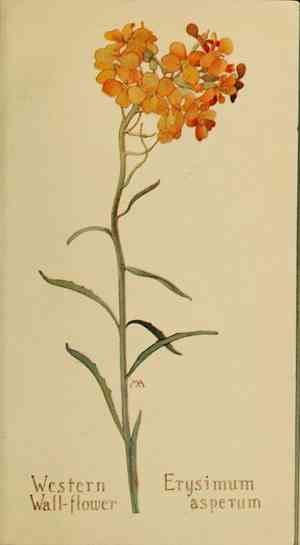
Erysimum, a striking perennial recognized for its vivid blossoms, greatly benefits from appropriate trimming. The most suitable times for pruning are during spring, summer, and early autumn, coinciding with its periods of active development. Consistently removing faded blooms encourages extended flowering and vigorous expansion. Reduce the plant's size in late autumn to preserve its form and foster more robust, thicker foliage. Trimming not only improves its visual attractiveness but also prevents excessive growth and guarantees peak plant vitality.
What Are the Benefits of Pruning Western Wallflower?
What Are the Benefits of Pruning Western Wallflower?
Trimming western wallflower promotes robust development and helps maintain its form. By carefully removing parts of the plant, you encourage healthier, stronger growth and a more pleasing appearance.
What Is the Best Time for Pruning Western Wallflower?
What Is the Best Time for Pruning Western Wallflower?
Pruning or trimming western wallflower during Spring, Summer, and Fall aligns with its active growth phases, ensuring the plant remains healthy and vigorous. In Spring, pruning helps stimulate new growth and enhances flowering by removing old or dead parts as the plant exits its dormant winter phase. Summer pruning is beneficial for shaping the plant and controlling its size, particularly after the initial flush of flowers, promoting a second bloom in certain conditions. Fall pruning, although lighter, can be useful for removing any spent blooms and damaged foliage, preparing western wallflower for winter by reducing the load on its root system and minimizing potential disease spread. These seasons ensure the plant has enough time to heal and regenerate before the harsh conditions of winter or peak growing phases.
What Tools Do I Need to Prune Western Wallflower?
Hand Pruners
Perfect for making accurate cuts on western wallflower, allowing for selective removal of individual stems and old blooms. Also useful for shaping the plant to encourage denser growth. Opt for bypass pruners for their clean and precise cutting action.
Pruning Shears
Useful for trimming back softer, green stems. This tool is appropriate for cutting back western wallflower after blooming to promote a second flush of flowers and maintain a desirable plant form.
Small pruning saw
Effective for removing thicker, woody stems that hand pruners canât handle. Essential for managing older western wallflower plants, aiding in rejuvenation by clearing out older stems to encourage new growth.
How to Prune Western Wallflower
Clean tools
Before pruning western wallflower, ensure all pruning tools are clean and sharp. This prevents the spread of diseases and allows for clean cuts that heal more quickly.
Remove diseased parts
Begin by carefully removing any diseased leaves and branches from western wallflower. Use clean, precise cuts to remove these parts entirely, avoiding further spread of infection within the plant.
Remove dead material
Next, prune all dead branches and withered leaves from western wallflower. This not only improves the aesthetic appearance but also encourages healthier growth and air circulation through the plant.
Shape plant
Shape western wallflower by selectively trimming back overgrown areas. Focus on maintaining a natural shape that allows light to penetrate to the lower parts of the plant, promoting even growth.
Dispose of waste
Properly dispose of all removed plant material. Diseased and dead plant waste should be discarded away from healthy plants to prevent the spread of any potential disease vectors.
Common Pruning Mistakes with Western Wallflower
Excessive pruning
Cutting too much of western wallflower can reduce the plant's ability to photosynthesize and weaken its overall health. Over-pruning can also lead to fewer blooms as it might remove too many flowering buds.
Improper cutting technique
Incorrect cutting techniques can damage the stems of western wallflower, leading to poor growth form and susceptibility to diseases. It is crucial to make clean cuts at the correct angle to promote better healing.
Neglecting plant structure
Failing to consider the natural growth habit and form of western wallflower during pruning can lead to unsightly growth patterns and weaken the structure of the plant.
Pruning without sterilized tools
Using tools that have not been sterilized can introduce diseases to western wallflower. It's vital to sterilize all pruning tools before use to prevent the spread of pathogens.
Common Pruning Tips for Western Wallflower
Timing tip
Avoid pruning during damp conditions, as this can increase the risk of disease. Ensure western wallflower is pruned under dry weather conditions to promote rapid healing and reduce disease spread.
Selective pruning
Focus on removing dead or diseased branches first to help maintain the health and appearance of western wallflower. Thin out dense areas to increase light penetration and air circulation, which can enhance flowering and reduce disease pressures.
Use of sharp tools
Always use clean, sharp tools to make precise cuts. This helps minimize stress and damage to western wallflower, promoting quick recovery and healthier growth.
Pruning angle
Cut branches at a 45-degree angle about 1/4 inch above a bud facing the outside of the plant. This technique encourages water runoff and new growth in a direction that benefits the shape of western wallflower.



