
Western wallflower (Erysimum asperum)
Also known as: Plains wallflower
The Western Wallflower, found throughout the western United States, showcases vibrant yellow blooms that draw in pollinators during spring and early summer. Though it carries the name "wallflower," it is actually part of the mustard family. Native American tribes historically utilized this plant for its medicinal properties.
In This Article
Attributes of Western wallflower
Lifespan
Biennial, Perennial
Plant Type
Herb
Plant Height
5 cm to 46 cm
Spread
Varies, typically not measured
Leaf Color
Green Blue
Flower Size
1-2 cm
Flower Color
Yellow, occasionally orange
Images of Western wallflower
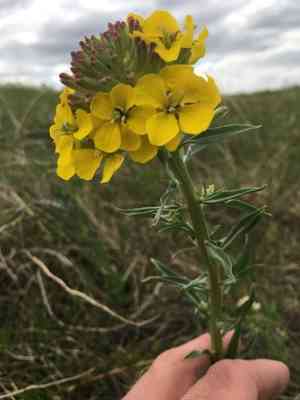
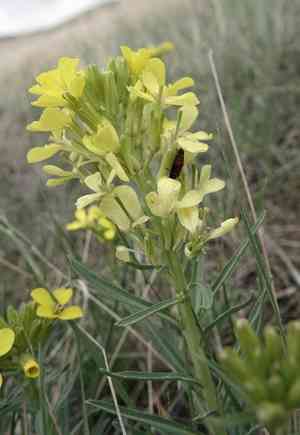
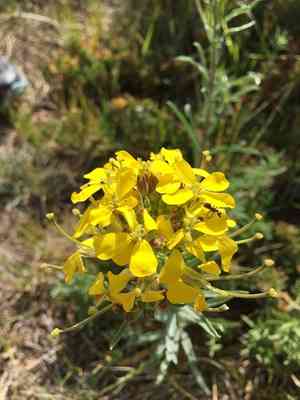
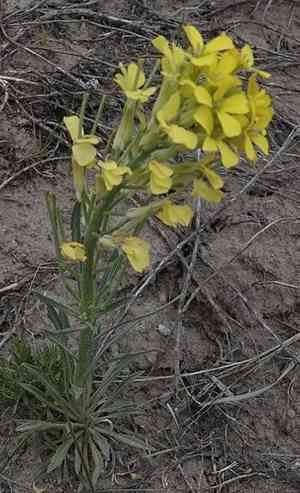
Quickly Identify Western wallflower
1
Erysimum asperum can be identified by its bright yellow or sometimes orange flowers, which are clustered in dense spikes or racemes. The plant has hairy leaves and stems, and the leaves are lance-shaped with a rough texture.
Scientific Classification of Western wallflower
Phylum
Vascular plants
Class
Dicotyledons
Order
Brassicales
Family
Cruciferae
Genus
Wallflower
Species
Western wallflower
Planting and Growing of Western wallflower
Care Difficulty
Easy
Watering Schedule
Every day
Sunlight Requirements
Full sun
Sunshine Duration
6-8 hours
Ideal Temperature
60-75℉
Soil Type
Potting Mix, Peat Mix
Soil pH
6.5-7.5
Fertilizer Type
Balanced
Pruning Season
Spring, Summer
Pruning Area
Branches, Leaves
Pruning Frequency
2 times a year
Repotting Season
Spring
Pot Type
Plastic, Ceramic
 How to Water Western wallflower?
Erysimum asperum, or the Western wallflower, requires deep watering. It is crucial to saturate the soil completely each time, allowing the water to reach the root level. This thorough watering encourages a strong root system, especially given its native dry conditions. Watering should be adjusted if the soil retains too much water, as it can lead to root rot.
What are the symptoms of an underwatered Western wallflower?
›
What should I do if my Western wallflower is not getting enough water?
›
What are the symptoms of an overwatered Western wallflower?
›
How to save an overwatered Western wallflower?
›
 What Are the Sunlight Requirements for Western wallflower?
This plant thrives in full sun conditions, requiring at least six hours of unfiltered sunlight daily. Ideal light encourages robust growth, vibrant flowers, and healthy leaf development.
What is the ideal lighting condition for Erysimum asperum?
›
How can you ensure Erysimum asperum receives its ideal lighting?
›
What benefits does ideal lighting bring to Erysimum asperum?
›
 What Is the Ideal Temperature Range for Western wallflower?
The ideal temperature range for growing Erysimum asperum is between 60°F and 75°F. This range provides an optimal environment for the plant’s physiological processes, including photosynthesis and growth. Maintaining this range helps ensure that the plant has enough warmth to thrive without being stressed by excessive heat.
 What Soil is Best for Western wallflower?
Erysimum asperum thrives in well-drained soils that prevent waterlogging, ensuring their roots remain healthy and free from rot. Good drainage improves air exchange in the soil, supporting robust plant growth. The plant benefits from soil enriched with organic matter, providing essential nutrients that promote vibrant blooms and sturdy foliage. A fertile base supports its resilience against pests and diseases. Soil with sufficient aeration enhances root respiration, boosting the plant's ability to absorb water and nutrients efficiently. This condition fosters stronger and more drought-tolerant Erysimum asperum specimens.
 How to Fertilize Western wallflower?
When fertilizing Erysimum asperum, it's crucial to use a balanced amount. For liquid fertilizers, apply at half the manufacturer's recommended strength to avoid burning the roots. For slow-release fertilizers, use about 15 grams per plant lightly scattered around the base. Over-application can lead to salt build-up, which harms the plant.
 How to Prune Western wallflower?
Begin by removing faded and spent blooms with sharp shears. This encourages more flowers to grow and keeps the plant looking tidy throughout the growing season. Cut back any overly long or unruly branches to maintain the plant's shape and encourage bushier growth. Make cuts just above a leaf node or a healthy side shoot. Inspect the plant for dead, diseased, or damaged stems. Cut these back to the base to direct energy towards healthy parts of the plant and improve its overall vigor. To stimulate new growth, prune the plant lightly throughout the growing season. Focus on thinning dense clusters of stems to enhance air circulation and sunlight penetration.
More About Pruning Techniques→
 How to Propagate Western wallflower plant?
1
Fill the seed tray with potting soil up to three-quarters full, patting it down lightly to remove air pockets. Ensure the soil is slightly moist but not overly wet to prevent seed rot.
2
Sprinkle the Erysimum asperum seeds evenly across the soil surface. Cover lightly with a thin layer of soil, about twice the depth of the seed. This aids in anchoring the seeds whilst allowing for light to initiate germination.
3
Mist the soil regularly with a spray bottle to maintain moisture, avoiding waterlogged conditions. Place the seed tray in a location with indirect sunlight and consistent warmth, between 65-70°F (18-21°C).
 How to Repot Western wallflower plant?
1
Erysimum asperum needs repotting when you notice slow growth, roots emerging from drainage holes, or the soil losing its moisture retention. Typically, repotting in spring is ideal when the plant is in its growth phase, allowing it to quickly establish itself in the new pot before the growing season peaks.
2
Select a pot slightly larger than the current one to provide room for growth and root expansion. Ensure it has adequate drainage holes to prevent waterlogging, which can lead to root rot. A terracotta pot is beneficial as it aids in moisture wicking and prevents the roots from sitting in overly damp soil.
3
A well-draining potting mix is crucial, preferably a cactus-mix to mimic its natural rocky habitat. This ensures the soil doesn't retain too much water, thus preventing root rot while providing the essential minerals the plant needs for nourishment and stability.
Toxicity
Ingestion
WARNING
The judgment on toxicity and danger is for reference only. We DO NOT GUARANTEE any accuracy of such judgment. Therefore, you SHALL NOT rely on such judgment. It is IMPORTANT TO SEEK PROFESSIONAL ADVICE in advance when necessary.



