How to Prune Creeping eryngo?
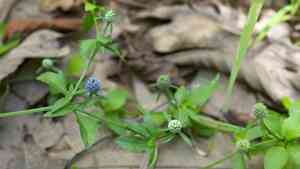
Eryngium repens is a prostrate plant recognized for its distinctive glaucous leaves and prickly, thistle-like blossoms. Perform pruning in early spring to eliminate deceased or compromised stalks, fostering robust development. Minor shaping can also be carried out following the summer flowering phase to preserve its form and boost vitality. Consistent trimming diminishes the likelihood of disease and promotes a denser structure, improving its aesthetic quality. Employ sanitized, keen implements to prevent harm to the plant and facilitate superior regeneration.
What Are the Benefits of Pruning Creeping Eryngo?
What Are the Benefits of Pruning Creeping Eryngo?
Trimming creeping eryngo promotes robust development and helps maintain its form. Regular cutting encourages healthy growth, improves blooming, and prevents spreading, ensuring a neat, attractive look. Proper trimming also lowers pest and disease risks, fostering strong plant health.
What Is the Best Time for Pruning Creeping Eryngo?
What Is the Best Time for Pruning Creeping Eryngo?
Trimming creeping eryngo in spring and summer aligns with its active growth period. During these seasons, the plant experiences vigorous growth, making it more resilient to pruning and capable of quick recovery. Spring pruning helps shape the plant and remove any winter damage, fostering healthier growth. Summer pruning encourages a bushier form and can help manage the plant's size, while also preventing any overgrowth that could potentially lead to health issues. Trimming during these seasons before the plant blooms can also enhance floral display, as energy is redirected to flower production. This practice is supported by horticultural experts who recommend pruning outside of the dormant or less active periods to minimize stress and optimize health.
What Tools Do I Need to Prune Creeping Eryngo?
Hand pruners
Perfect for trimming small stems and precise cuts. Essential for maintaining the shape and health of creeping eryngo.
Bypass pruners
Excellent for clean cuts on live stems. They help prevent damage and disease spread.
Curved pruning shears
Useful for reaching into dense foliage and cutting stems cleanly without damaging surrounding growth.
Gloves
Necessary for protecting hands from the prickly foliage of creeping eryngo.
How to Prune Creeping Eryngo
Inspection
Examine creeping eryngo thoroughly to identify diseased leaves, withered leaves, and diseased stems. Look for signs of discoloration, wilting, or fungal infections.
Sterilization
Before making any cuts, sterilize your pruning tools with rubbing alcohol or a 10% bleach solution to prevent the spread of disease.
Remove Diseased Leaves
Carefully cut off any diseased leaves at their base close to the stem using sharp, sterilized scissors or pruners. Dispose of the removed leaves away from your garden to avoid contamination.
Remove Withered Leaves
Trim off any withered leaves, ensuring you cut as close to the base of the leaf as possible. This helps the plant conserve energy and promotes healthy growth.
Remove Diseased Stems
Identify and prune any diseased stems by cutting them back to healthy tissue. Make the cut at least 6 inches below the affected area to ensure complete removal of the disease.
Common Pruning Mistakes with Creeping Eryngo
Over-pruning
Removing too much foliage can stress creeping eryngo, reducing its vigor and potentially hindering growth and flowering.
Improper technique
Using blunt or unclean tools can damage the plant and make it susceptible to diseases or pests.
Pruning at the wrong time
While timing is excluded, it is crucial to avoid pruning during periods of active growth as it can disrupt the plant's natural development cycle.
Neglecting selective pruning
Failing to prune selectively can result in an uneven appearance and fail to address the specific needs of the plant.
Common Pruning Tips for Creeping Eryngo
Use sharp, clean tools
Always employ sharp and sterilized pruning shears to make clean cuts and minimize the risk of disease.
Prune damaged or diseased parts first
Focus on removing any damaged, diseased, or dead sections to encourage healthy regrowth.
Focus on shaping
Prune creeping eryngo in a way that maintains its natural growth habit, enhancing its aesthetic appeal and aiding in better air circulation.
Aim for gradual thinning
Instead of removing large sections at once, aim for a gradual thinning approach to avoid over-pruning and to allow the plant to adjust.



