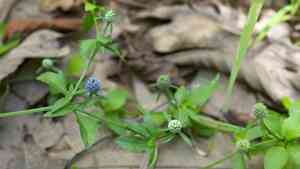
Creeping eryngo (Eryngium prostratum)
Also known as: Creeping Eryngo, Trailing Eryngo
Sea Holly (Eryngium maritimum) is recognized for its robust, low-growing nature, featuring spiny leaves and unique blue or steel-colored flower heads atop silvery stems. Resembling thistles, Sea Holly thrives in coastal and sandy environments, where its deep taproot helps it withstand strong winds and stabilize the soil.
In This Article
Attributes of Creeping eryngo
Lifespan
Perennial
Plant Type
Herb
Plant Height
0 mm to 30 cm
Spread
20-60 cm
Leaf Color
Green
Flower Size
1-2 cm
Flower Color
Blue, Purple
Images of Creeping eryngo


Quickly Identify Creeping eryngo
1
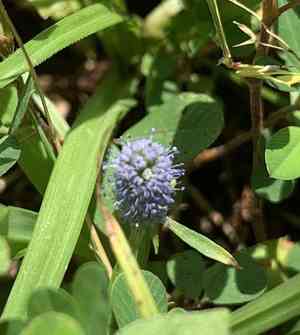
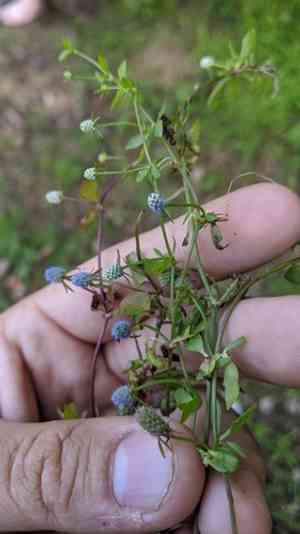
Look for its prostrate, creeping growth habit and deeply lobed, spiky leaves. The flowers are typically a striking, spiky blue or purple.
Scientific Classification of Creeping eryngo
Phylum
Vascular plants
Class
Dicotyledons
Order
Apiales
Family
Umbellifers
Genus
Eryngos
Species
Creeping eryngo
Planting and Growing of Creeping eryngo
Care Difficulty
Moderate
Watering Schedule
Every 4 days
Sunlight Requirements
Full sun
Sunshine Duration
4-6 hours
Ideal Temperature
60-75℉
Soil Type
Potting Mix, Peat Mix
Soil pH
6.5-7.5
Fertilizer Type
Balanced
Pruning Season
Spring, Summer
Pruning Area
Branches, Leaves
Pruning Frequency
2 times a year
Repotting Season
Spring
Pot Type
Plastic, Ceramic
 How to Water Creeping eryngo?
Eryngium prostratum prefers its soil to be slightly moist but not soggy. Water enough to ensure that the top inch of the soil is moist, which usually means around 200 milliliters per watering session. It’s important to avoid waterlogging as this plant requires well-draining soil to thrive.
What are the symptoms of an underwatered Creeping eryngo?
›
What should I do if my Creeping eryngo is not getting enough water?
›
What are the symptoms of an overwatered Creeping eryngo?
›
How to save an overwatered Creeping eryngo?
›
 What Are the Sunlight Requirements for Creeping eryngo?
Eryngium prostratum ideally thrives in full to partial sun, which promotes healthy growth and enhances flowering. Consistent light exposure improves vigor and disease resistance in plants.
What is the best light condition for Eryngium prostratum?
›
How can I provide ideal lighting for Eryngium prostratum?
›
What benefits does Eryngium prostratum obtain from ideal lighting?
›
 What Is the Ideal Temperature Range for Creeping eryngo?
Eryngium prostratum thrives best in temperatures ranging from 60°F to 75°F. This range provides optimal conditions for its growth and development, ensuring that its physiological processes function efficiently. Maintaining this temperature range can promote healthy foliage and vibrant flower production.
 What Soil is Best for Creeping eryngo?
Eryngium prostratum thrives best in well-drained soil, which prevents waterlogging and root rot by allowing excess water to escape. This improves root aeration and overall plant health. This plant benefits from nutrient-rich soil that provides essential minerals for growth. A balanced composition of organic material and minerals supports robust development and vibrant flowering. While Eryngium prostratum is tolerant of some drought, it prefers soil that retains moderate moisture. This prevents stress during dry conditions and facilitates steady growth without overwatering.
 How to Fertilize Creeping eryngo?
Eryngium prostratum thrives with a balanced approach to fertilization. Ideally, use a 10-10-10 NPK fertilizer at a diluted rate of 1/2 teaspoon per gallon of water when applying liquid fertilizers. For slow-release granules, apply lightly, about 1 tablespoon per plant, to avoid nutrient burn.
 How to Prune Creeping eryngo?
Begin by using clean, sharp scissors or garden shears. Focus on removing any dead, damaged, or yellowing leaves first. As you prune, aim to shape the plant so it retains its natural sprawling form but remains tidy. Always cut back to a node or a healthy stem, ensuring not to cut too close.
More About Pruning Techniques→
 How to Propagate Creeping eryngo plant?
1
Collect seeds from mature Eryngium prostratum plants in autumn when the seeds have fully ripened. Store them in a cool, dry place until you're ready to sow them in the spring.
2
Select healthy stems from established plants for cuttings. Use a clean knife or scissors to cut below a node, ensuring each cutting is about 4-6 inches in length. Remove lower leaves to minimize water loss.
3
Divide clumps in early spring or after flowering. Carefully dig up the plant, minimizing root disturbance. Separate the clumps by hand or with a sharp spade, ensuring each section has viable roots and shoots.
 How to Repot Creeping eryngo plant?
1
Eryngium prostratum should be repotted when its roots start encircling the pot or the soil becomes compacted. Observing a decline in plant growth or poor water retention are also signs it’s time. Refrain from excessively early or late repotting to prevent transplant shock.
2
Select a pot that’s just one size larger than the current one. A pot with drainage holes is crucial to prevent root rot, as it facilitates excess water to escape. The right pot size ensures that the plant has adequate room to grow while preventing the soil from holding too much water.
3
Use a well-draining, loamy soil mix, as it mimics Eryngium prostratum's natural habitat and prevents waterlogged roots. A quality loamy soil blend will balance moisture retention and drainage, supporting healthy root development and vigorous plant growth.
Learn More About Creeping eryngo Diseases
Anthracnose
Bacterial Leaf Spot
Bacterial Soft Rot
Bacterial Wilt
Chemical Injury
Crown Gall
Cyst Nematode
Damping-off
Downy Mildew
Drought Stress
Fusarium Wilt
Gray Mold
Leaf Spot
Mosaic
Nutrient Deficiency
Nutrient Toxicity
Powdery Mildew
Root Rot
Root-knot Nematode
Rusts
Sooty Mold
Spider Mites
Temperature Stress
Thrips Damage
White Mold



