How to Prune California eryngo?
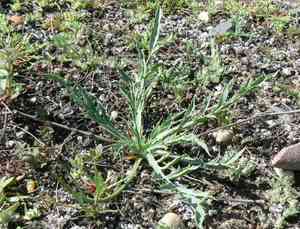
Recognized for its prickly leaves and distinctive blossoms, california eryngo flourishes with little upkeep. Essential trimming methods involve excising lifeless or injured stalks to foster robust development. The ideal period for trimming is from late winter to early spring, coinciding with its developmental phase. Trimming encourages more compact growth and improves its visual attractiveness. Employ sanitized, sharp implements to avert ailments and guarantee accurate incisions. Consistent trimming also aids in preserving the plant's form and vitality.
What Are the Benefits of Pruning California Eryngo?
What Are the Benefits of Pruning California Eryngo?
Trimming california eryngo encourages robust development, maintains its form, and enhances its overall look. Regularly cutting back older, elongated stems stimulates new growth, boosts blooming, and fosters healthier foliage, making it more resilient to pests and diseases.
What Is the Best Time for Pruning California Eryngo?
What Is the Best Time for Pruning California Eryngo?
Pruning or trimming california eryngo during early spring and late winter is advisable due to its growth cycle. In these periods, california eryngo is typically inactive or just starting to grow, minimizing stress and potential harm to the plant. Furthermore, pruning at this time promotes healthier growth and more abundant flowering in subsequent seasons. Early spring and late winter pruning also aids in removing any dead or damaged sections from the prior year, fostering better overall plant vitality.
What Tools Do I Need to Prune California Eryngo?
Hand Pruners
Perfect for minor pruning tasks such as cutting back dead or damaged stems. These are suitable for the relatively slender and delicate stems of california eryngo.
Bypass Loppers
Useful for cutting thicker stems that are too large for hand pruners but not big enough to require a saw. They provide clean cuts essential for the health of california eryngo.
Pruning Saw
Best for cutting through old, woody stems which may occasionally develop in california eryngo. A small, fine-toothed saw is sufficient.
Gloves
To protect hands from the spiny or prickly parts of california eryngo. Essential for safe and comfortable pruning.
How to Prune California Eryngo
Identify
Examine california eryngo carefully to locate any diseased or withered leaves. Look for spots, discoloration, or shriveled parts.
Tool prep
Use sterilized pruning shears or scissors to prevent spreading infections. Disinfect tools with alcohol before and after pruning.
Remove diseased
Cut off the diseased leaves at the base, ensuring you remove the entire affected area to prevent disease spread.
Remove withered
Trim away withered leaves by cutting close to the base or stem, giving california eryngo a clean and healthy appearance.
Dispose
Dispose of the pruned material away from the garden area to prevent any potential spread of disease to healthy plants.
Common Pruning Mistakes with California Eryngo
Timing Errors
Pruning at incorrect times can significantly impact the health and growth of california eryngo. Pruning too early or late can lead to reduced flowering or even damage to the plant.
Over-Pruning
Removing too much foliage or stems can stress california eryngo and hinder its ability to photosynthesize efficiently, which is crucial for its vigor.
Incorrect Technique
Using dull or inappropriate tools can cause ragged cuts that lead to infections and pests. Improper cutting angles can also harm the plant tissue.
Ignoring Dead or Diseased Parts
Leaving dead or diseased stems can spread infections and pests to healthy parts of california eryngo, undermining the plantâs overall health.
Lack of Sanitation
Not cleaning pruning tools before and after use can transmit diseases from one plant to another, jeopardizing the health of california eryngo.
Common Pruning Tips for California Eryngo
Use Sharp and Clean Tools
Always use sharp, sterilized pruning shears or knives to make clean cuts. Proper tool maintenance helps prevent the spread of diseases and ensures precise cuts.
Focus on Deadheading
Regularly removing spent flowers helps redirect the plantâs energy towards new growth and flowering. Cut just above the next set of healthy leaves or buds.
Prune for Shape and Airflow
Pruning to maintain a pleasing shape not only enhances aesthetics but also improves air circulation around california eryngo, reducing the risk of fungal infections.
Remove Weak and Crossing Branches
Regularly eliminate weak, crossing, or inward-growing branches to prevent overcrowding and enhance light penetration to the inner parts of california eryngo.
Minimal Pruning for Young Plants
Avoid heavy pruning on young california eryngo plants. Focus on removing only dead, damaged, or poorly positioned stems to encourage robust growth as the plant matures.



