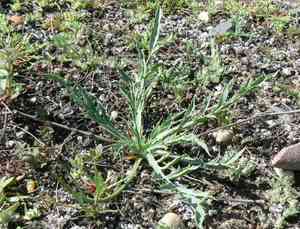
California eryngo(Eryngium aristulatum)

California eryngo (Eryngium aristulatum)

Also known as: San diego button-celery

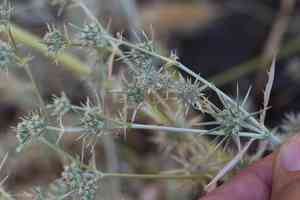
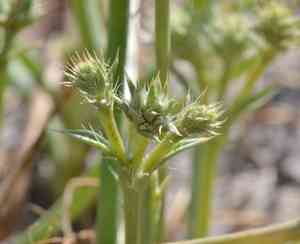
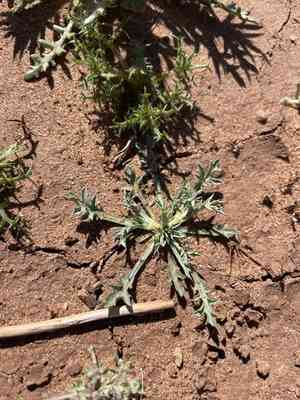
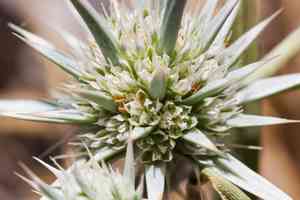
The California eryngo (Eryngium aristulatum) is a tough perennial herb noted for its distinctive, spiky flower clusters, which come in shades of blue or purple. Its leaves are often toothed or lobed, and it can grow between 1 to 3 feet in height.

**Optimal Growing Conditions:**
- **Soil:** Prefers well-drained, sandy or rocky soils.
- **Sunlight:** Requires full sun to thrive.
- **Watering:** Drought-tolerant, though occasional watering can be beneficial.
- **Climate:** Well-suited to the coastal and inland areas of California, favoring Mediterranean climates.

Its deep root system helps it survive in dry conditions, making it an excellent choice for native plant gardens and xeriscaping projects.

Attributes of California eryngo

Lifespan
Perennial
Plant Type
Herb
Plant Height
30-60 cm
Spread
20-30 cm
Leaf Color
Green
Flower Size
1-2 cm
Flower Color
Blue, Purple

ForwardPlant - Identify plants with a snap

Identify and diagnose plants, get toxicity alerts, and explore safety guides for all types of fungi.

Try for Free

Images of California eryngo

California eryngo(Eryngium aristulatum)

Quickly Identify California eryngo

1
It can be identified by its spiny, lance-shaped leaves and clustered, spherical flower heads. The flowers are typically blue to purple in color.

Scientific Classification of California eryngo

Phylum
Vascular plants
Class
Dicotyledons
Order
Apiales
Family
Umbellifers
Genus
Eryngos
Species
California eryngo

Planting and Growing of California eryngo

Care Difficulty
Moderate
Watering Schedule
Every 2 days
Sunlight Requirements
Full sun
Sunshine Duration
4-6 hours
Ideal Temperature
65-75℉
Soil Type
Potting Mix, Peat Mix
Soil pH
6.5-7.5
Fertilizer Type
Balanced
Pruning Season
Spring, Summer
Pruning Area
Branches, Leaves
Pruning Frequency
2 times a year
Repotting Season
Spring
Pot Type
Plastic, Ceramic

water icon How to Water California eryngo?

For Eryngium aristulatum, each watering session requires around 500 milliliters of water. The key is to ensure that the water reaches the root zone without saturating the soil. Allow the top 1-2 inches of the soil to dry out before watering again. This helps maintain optimal moisture levels for the plant's health.
What are the symptoms of an underwatered California eryngo?
What should I do if my California eryngo is not getting enough water?
What are the symptoms of an overwatered California eryngo?
How to save an overwatered California eryngo?

sunlight icon What Are the Sunlight Requirements for California eryngo?

Sunlight Requirements: Full sun, Partial sun
Duration of light: 6 to 8 hours
Eryngium aristulatum thrives in full to partial sun conditions. When properly lit, the plant grows robustly with vibrant foliage and plentiful blooms, optimizing its health and aesthetic appeal.
What is the best location for optimal lighting?
How can you ensure consistent lighting?
What benefits arise from ideal lighting?

temperature icon What Is the Ideal Temperature Range for California eryngo?

Ideal Temperature: 65 ~ 75℉
Eryngium aristulatum thrives best in an environment with temperatures ranging between 65°F and 75°F. This temperature range promotes optimal growth and physiological processes like photosynthesis and nutrient uptake. By maintaining temperatures within this range, you ensure that the plant has the best possible conditions for development.

soil icon What Soil is Best for California eryngo?

Soil type: Sandy soil, Loam, Clay soil
Soil PH: 6.5 ~ 7.5
Eryngium aristulatum thrives in well-drained soils that prevent water from pooling, reducing the risk of root rot. Ensuring proper drainage will promote healthy root growth and maintain plant vitality. A soil rich in organic matter benefits Eryngium aristulatum by providing essential nutrients, leading to robust growth and vibrant foliage. Compost or natural fertilizers can enhance soil fertility. While Eryngium aristulatum appreciates well-drained soils, a moderate level of moisture retention helps sustain the plant during dry spells, preventing wilting and supporting consistent growth.

fertilize icon How to Fertilize California eryngo?

Fertilizer type: Balanced
Eryngium aristulatum, known for its beautiful blue-tinged leaves, typically requires a balanced fertilization approach. For liquid fertilizers, a dilution rate of 1 teaspoon per gallon of water is ideal, ensuring adequate nutrient delivery without overwhelming the plant.

prune icon How to Prune California eryngo?

Pruning Time: Spring, Summer
The best time to prune Eryngium aristulatum is during the spring and summer seasons. This timing aligns with the plant's natural growth cycle, allowing it to recover quickly and thrive throughout the growing season. While regular pruning is beneficial, be cautious not to remove too much foliage at once. Excessive cutting can stress the plant and hinder its natural growth, so aim to remove no more than one-third of the plant's mass at any one time. After pruning, monitor the plant for signs of stress or disease. If you notice any wilting, discoloration, or unusual changes, investigate further to ensure the plant remains healthy and vigorous. More About Pruning Techniques

propagate icon How to Propagate California eryngo plant?

Propagate Time: Spring, Early summer, Late autumn
1
Collect seeds from mature Eryngium aristulatum plants once the flower heads have dried. Remove seeds carefully and place them in a dry, cool location until ready for sowing.
2
Select healthy shoots and cut just below a node. Remove lower leaves to prevent rot, and dip the cut end in a rooting hormone to enhance root development before planting in a moist medium.
3
In spring or early summer, dig up mature plants and gently separate the roots. Ensure each division has several shoots and a healthy root system before replanting in a prepared soil bed.
More About Propagating Techniques

repot icon How to Repot California eryngo plant?

Repotting frequency: Every 2-3 years
1
Eryngium aristulatum shows clear signs when it requires repotting. Look for roots protruding through the drainage holes or circling the pot. Additionally, if the plant appears to be stunted or not thriving as expected, it might be due for a repot. These indicators suggest that it's time to provide more space and fresh nutrients for your plant to flourish.
2
Select a pot that is one size larger than the current one, ensuring it has ample drainage holes. A pot that's too large may retain too much moisture, leading to root rot. Terra cotta pots are ideal because they help wick away excess water, thus preventing overwatering—a crucial consideration for Eryngium aristulatum.
3
Opt for a well-draining sandy soil mix to mirror Eryngium aristulatum's natural environment. A soil mix that includes sand, perlite, and a bit of organic matter offers excellent drainage while retaining enough moisture and nutrients. This balance is essential to prevent waterlogging and encourage healthy root development.

ForwardPlant - Identify plants with a snap

Find the best spots for them to optimize their health, simply using your phone.

Try for Free