How to Prune Common stork's bill?
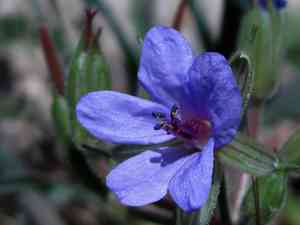
Erodium cicutarium, a perennial plant recognized by its sharp, beak-shaped seed capsules, thrives with judicious trimming. Remove spent blossoms and seed structures to foster ongoing flowering and inhibit self-propagation. The most suitable times for pruning extend from spring through autumn, coinciding with periods of vigorous development. Consistent removal of spent blooms preserves visual appeal and vitality. Trim sparingly, as Erodium cicutarium withstands only light cutting, primarily for shaping or controlling its expansion. Pruning improves the plant's general well-being and boosts its capacity for producing flowers.
What Are the Benefits of Pruning Common Stork's Bill?
What Are the Benefits of Pruning Common Stork's Bill?
Trimming common stork's bill promotes vigorous development by reallocating energy to robust shoots, while also preserving its form for visual appeal and garden balance.
What Is the Best Time for Pruning Common Stork's Bill?
What Is the Best Time for Pruning Common Stork's Bill?
Pruning common stork's bill during late winter or early spring is advantageous as it fosters healthy growth and blooming. These periods coincide with the plant's dormant phase, preventing stress and minimizing sap loss that could attract pests. Trimming before new growth emerges helps common stork's bill direct energy towards producing strong new shoots and abundant flowers. Avoid pruning in autumn as it can stimulate new growth that may not endure winter conditions, potentially harming the plant.
What Tools Do I Need to Prune Common Stork's Bill?
Bypass Pruners
These are perfect for making precise cuts without crushing the stems of common stork's bill, which is vital for maintaining plant health and encouraging proper development.
Gardening Shears
Shears are excellent for shaping and managing the size of common stork's bill, especially for removing spent flowers to encourage new blooms.
Precision Snips
For more detailed work or for reaching into dense foliage to prune common stork's bill without harming surrounding stems and leaves, precision snips are beneficial.
How to Prune Common Stork's Bill
Clean tools
Sanitize pruning shears or scissors to prevent the spread of disease to common stork's bill.
Cut withered leaves
Locate and carefully remove any withered or yellowing leaves from common stork's bill by cutting close to the base without damaging the stem.
Shape plant
Thin out crowded areas to enhance air circulation and light penetration for common stork's bill, which can help prevent disease and encourage healthy growth.
Dispose
Discard the removed foliage appropriately to reduce the risk of pests or disease around common stork's bill.
Water after pruning
Water common stork's bill after pruning to help reduce stress and support recovery, ensuring only moderate moisture to prevent rot.
Common Pruning Mistakes with Common Stork's Bill
Over-pruning
Removing too much foliage from common stork's bill can weaken the plant and stunt its growth. Novice gardeners might be overly enthusiastic about shaping the plant and remove more than 1/3 of the growth, which can be detrimental.
Using dull tools
Utilizing dull or dirty pruning shears can cause unnecessary damage to common stork's bill's stems, potentially introducing disease or leading to an untidy cut that heals poorly.
Pruning indiscriminately
Cutting without understanding the natural shape of common stork's bill or recognizing the areas that require pruning can lead to a lack of flowers or an unnatural plant shape.
Neglecting sanitation
Failing to sanitize pruning tools before and after use on common stork's bill can spread disease between plants, which is a mistake oftentimes overlooked by even experienced gardeners.
Common Pruning Tips for Common Stork's Bill
Selective pruning
Target only the dead, damaged, or overgrown stems of common stork's bill for pruning. This approach encourages better air circulation and light penetration, leading to healthier growth.
Tool care
Use sharp, clean pruning shears specifically suitable for delicate stems like those of common stork's bill. Sharpen and disinfect tools before use to make clean cuts that heal more quickly, reducing stress on the plant.
Moderation
Practice moderate pruning, ensuring you do not remove more than 1/3 of the plant at a time. This allows common stork's bill to recover swiftly and maintain strength.
Shape maintenance
Maintain the natural shape of common stork's bill when pruning. Avoid excessive cutting back unless reshaping from damage or disease, as common stork's bill has a propensity to grow in an appealing, natural form.



