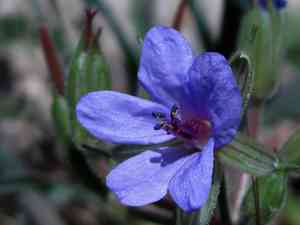
Common stork's bill (Erodium ciconium)
Also known as: Long-beaked stork's-bill
A great choice for a butterfly garden is the Common Stork's Bill (Erodium cicutarium). This plant is known for feeding the larvae of the brown argus butterfly, making it ideal for attracting butterflies. Its name is derived from its distinctive seed pods, which resemble a stork's bill. When the pods mature, they burst open to spread seeds, ensuring natural propagation.
In This Article
Attributes of Common stork's bill
Lifespan
Annual, Biennial, Perennial
Plant Type
Herb
Plant Height
10-50 cm
Spread
N/A
Leaf Color
Green
Flower Size
1-2 cm
Flower Color
Pink Purple
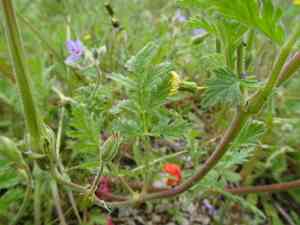
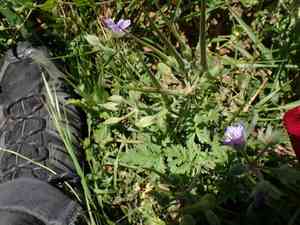
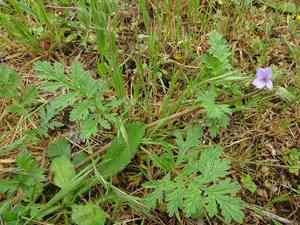
Images of Common stork's bill
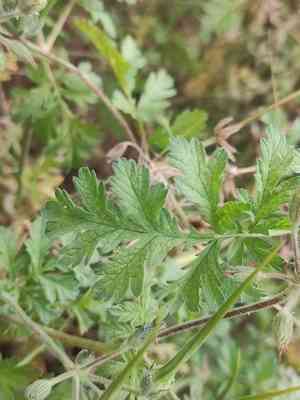
Quickly Identify Common stork's bill
1
The plant can be identified by its lobed leaves, five-petaled pink to purple flowers, and the long, beak-like seed pods that twist as they dry.
Scientific Classification of Common stork's bill
Phylum
Vascular plants
Class
Dicotyledons
Order
Geraniales
Family
Geranium
Genus
Filarees
Species
Common stork's bill
Planting and Growing of Common stork's bill
Care Difficulty
Easy
Watering Schedule
Every 2 days
Sunlight Requirements
Full sun
Sunshine Duration
4-6 hours
Ideal Temperature
65-75℉
Soil Type
Potting Mix, Peat Mix
Soil pH
6.5-7.5
Fertilizer Type
Balanced
Pruning Season
Spring, Summer
Pruning Area
Branches, Leaves
Pruning Frequency
2 times a year
Repotting Season
Spring
Pot Type
Plastic, Ceramic
 How to Water Common stork's bill?
For Erodium ciconium, it's crucial to ensure the soil is slightly moist but not waterlogged. Aim for about 200 ml each time, providing enough moisture without saturating the soil, thus allowing the roots to breathe properly while providing essential hydration.
What are the symptoms of an underwatered Common stork's bill?
›
What should I do if my Common stork's bill is not getting enough water?
›
What are the symptoms of an overwatered Common stork's bill?
›
How to save an overwatered Common stork's bill?
›
 What Are the Sunlight Requirements for Common stork's bill?
Ideally, Erodium ciconium should receive partial to full sun, which equates to approximately four to six hours of direct sunlight per day. This range optimizes photosynthesis, ensuring lush growth and flowering potential while minimizing stress.
More About Sunlight Requirements Techniques→
Maximum Sunlight Absorption
›
Partial Sun Consideration
›
Solution for Indoor Lighting
›
 What Is the Ideal Temperature Range for Common stork's bill?
The ideal temperature range for Erodium ciconium is between 65°F to 75°F. This range ensures optimal growth and development, providing enough warmth for cellular processes without expediting dehydration or stress. Plants within this temperature range experience balanced transpiration rates and photosynthesis activity, leading to vibrant growth.
 What Soil is Best for Common stork's bill?
Erodium ciconium thrives in soils that provide excellent drainage. This allows the roots to breathe and prevents waterlogging, which can lead to root rot and other diseases. This plant prefers nutrient-rich soils that provide a steady supply of essential minerals. Rich soils support healthy growth, vibrant leaf coloration, and robust blooming. Incorporation of organic matter like compost is beneficial, as it enhances the soil structure and provides a slow release of nutrients, promoting sustainable plant health.
 How to Fertilize Common stork's bill?
Erodium ciconium requires a balanced approach to fertilization. Use a liquid fertilizer diluted to half strength every month. For solid fertilizers, apply approximately 50 grams per plant per application, ensuring that the plant receives adequate nutrients without the risk of over-fertilization.
 How to Prune Common stork's bill?
Begin by removing dead or damaged stems to improve overall plant health. Cut back any overly long branches to promote a bushier form. Ensure that your cuts encourage outward growth, which allows more sunlight to penetrate the plant, enhancing its overall health and vitality. Within your monthly schedule, lightly trim back stems that have finished blooming. This not only extends the flowering period but reinvigorates the plant for the next wave of growth. Consistency is key, so keep an eye on the plant to facilitate its thriving condition.
More About Pruning Techniques→
 How to Propagate Common stork's bill plant?
1
Start by filling a seed tray with a good quality potting mix. Plant the seeds about 1/8 inch deep, spacing them evenly. Keep the soil consistently moist and place the tray in a warm, sunny location or under grow lights.
2
Select a healthy stem from the parent plant. Using your pruning shears, cut a section of about 4-6 inches from the stem, preferably with several leaves. Remove any buds or flowers to focus energy on root development.
3
Once seeds have sprouted or cuttings have developed roots, carefully transplant them to individual pots. Ensure that the new containers have adequate drainage holes and fill them with quality soil. Acclimatize the plants gradually to outdoor conditions before planting them permanently.
 How to Repot Common stork's bill plant?
1
Erodium ciconium, often known as the stork's bill, signals its need for repotting when its roots start to peek out of the drainage holes, or if the plant appears top-heavy and begins to tip over. Spring and autumn provide an ideal climate for repotting, as the plant enters a phase of growth, ready to adapt to a new pot with vigor.
2
Choose a pot that is only slightly larger than the current one. It should be made of a breathable material like clay or terracotta, which aids moisture regulation and prevents root rot. Ensure there are adequate drainage holes to allow excess water to escape, preserving the roots' health and preventing fungal diseases.
3
Opt for well-draining sandy loam soil, enriched slightly with organic matter. This soil type mimics the plant's natural habitat, allowing for optimal root aeration and water percolation. It ensures the plant has the essential nutrients while preventing waterlogged conditions that can suffocate roots.
Learn More About Common stork's bill Diseases
Anthracnose
Bacterial Leaf Spot
Bacterial Wilt
Chemical Injury
Crown Gall
Cyst Nematode
Damping-off
Downy Mildew
Drought Stress
Fusarium Wilt
Gray Mold
Leaf Curl
Leaf Spot
Mosaic
Nutrient Deficiency
Nutrient Toxicity
Powdery Mildew
Root Rot
Root-knot Nematode
Rusts
Sooty Mold
Spider Mites
Temperature Stress
Thrips Damage
White Mold



