How to Prune Beautiful woolly sunflower?
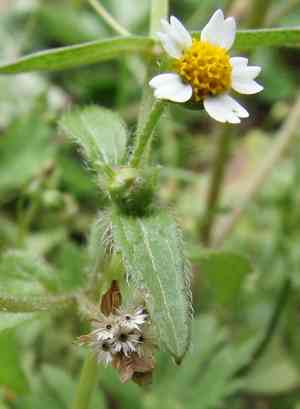
The lovely woolly sunflower, a remarkable specimen featuring soft foliage and vivid yellow blossoms, flourishes when consistently trimmed. The most suitable periods for pruning are in spring, summer, and autumn. Remove any withered or compromised stalks to foster robust development and boost floral production. Shearing the plant after its flowers have diminished encourages strong new shoots and aids in preserving a dense shape. Trimming the beautiful woolly sunflower can avert spindly development and revitalize the plant, leading to an abundant presentation. Consistent upkeep guarantees a lively, thriving garden highlight.
What Are the Benefits of Pruning Beautiful Woolly Sunflower?
What Are the Benefits of Pruning Beautiful Woolly Sunflower?
Pruning beautiful woolly sunflower encourages strong development and helps maintain an appealing form. It aids in managing its size, promotes healthier blooms, and enhances air circulation, thereby lowering the risk of diseases and pests. Consistent pruning ensures beautiful woolly sunflower stays vigorous and visually pleasing.
What Is the Best Time for Pruning Beautiful Woolly Sunflower?
What Is the Best Time for Pruning Beautiful Woolly Sunflower?
Pruning beautiful woolly sunflower during these periods ensures the plant avoids stress in winter's cooler, dormant phase. Spring pruning stimulates new growth as temperatures rise, while summer and fall pruning help manage the plant's shape and size post its main growth period. This timing also aligns with beautiful woolly sunflower's blooming cycle, allowing for a more controlled and healthy flowering, ensuring the plant retains its vitality and aesthetic appeal.
What Tools Do I Need to Prune Beautiful Woolly Sunflower?
Bypass Pruners
Perfect for precise cuts on small stems and deadheading flowers of beautiful woolly sunflower. They create clean cuts without crushing plant tissue, vital for plant health.
Pruning Shears
These are suitable for trimming larger branches and shaping beautiful woolly sunflower. They are robust and provide the necessary leverage for cutting thicker stems.
Gloves
Protect your hands from potential irritants on beautiful woolly sunflower and offer a better grip during pruning.
Sanitizing Wipes or Solution
Crucial for cleaning tools before and after use to prevent disease transmission between plants.
How to Prune Beautiful Woolly Sunflower
Inspect
Carefully examine beautiful woolly sunflower for any withered leaves that may be present, ensuring all problematic areas are identified.
Disinfect
Sanitize your pruning shears with rubbing alcohol or a bleach solution to prevent the spread of disease.
Cut
Using sharp, clean shears, trim the withered leaves close to their base without harming the healthy parts of the plant.
Dispose
Discard the withered leaves in a garbage bin or compost pile to prevent any potential spread of disease or pests.
Monitor
Regularly observe beautiful woolly sunflower for new withered leaves or any other signs of stress and repeat the pruning process as needed.
Common Pruning Mistakes with Beautiful Woolly Sunflower
Improper technique
A frequent error is using dull or unsuitable tools for pruning. This can result in jagged cuts that invite disease and pests.
Over-pruning
Removing too much of the plant at once can stress beautiful woolly sunflower, impeding its growth and flowering for the season.
Timing issues
Pruning at an incorrect time, such as during extreme heat or cold, can shock beautiful woolly sunflower, making it susceptible to environmental stressors.
Ignoring plant structure
Failing to understand beautiful woolly sunflower's natural growth habit can lead to poor pruning decisions that disrupt its natural shape and health.
Common Pruning Tips for Beautiful Woolly Sunflower
Use sharp tools
Always use sharp, clean tools to make precise cuts. This helps prevent disease and promotes quicker healing.
Identify damaged areas
Begin by removing any damaged, diseased, or dead parts of beautiful woolly sunflower. This ensures that only healthy parts of the plant continue to grow.
Thin out crowded branches
Thinning out the plant helps improve air circulation, which reduces the risk of fungal infections and allows light to reach inner parts of beautiful woolly sunflower.
Make cuts at right angle
Make cuts at a 45-degree angle, just above a leaf node or bud, to encourage new growth and prevent water accumulation on the cut surface.
Be strategic
Plan your cuts strategically to maintain the plantâs shape and encourage a robust structure. Focus on enhancing its natural form rather than forcing an unnatural shape.



