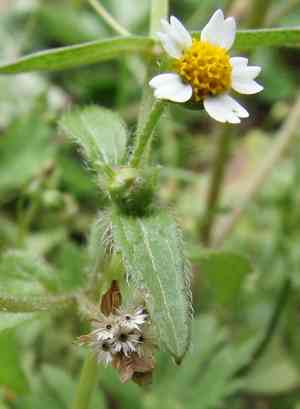
Beautiful woolly sunflower (Eriophyllum ambiguum)
Also known as: Woolly daisy, Yellow woolly daisy
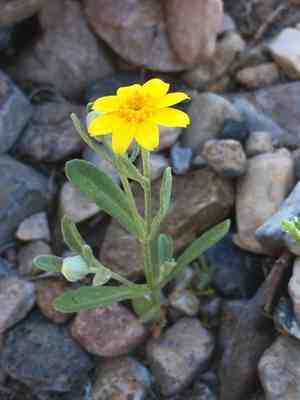
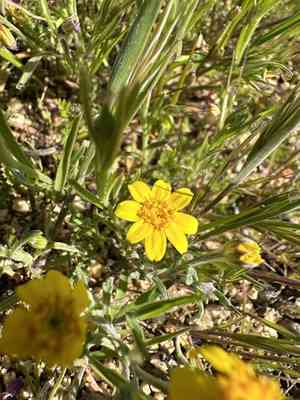
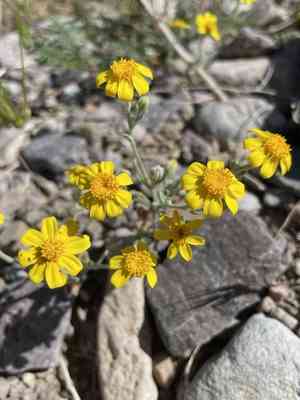
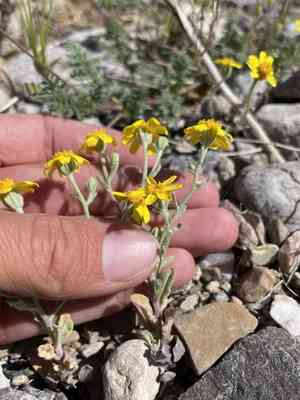
The leaves are generally lanceolate or oblong, occasionally featuring lobes, and are covered in woolly hairs on both surfaces. The inflorescence consists of a single flower head that contains numerous yellow disc florets and 6 to 10 yellow, white, or bicolored ray florets, each measuring between 2 to 10 millimeters in length. The fruit is a rough-textured achene, potentially topped with a tiny pappus.
In This Article
Attributes of Beautiful woolly sunflower
Lifespan
Annual
Plant Type
Herb
Plant Height
10-30 cm
Spread
20-50 cm
Leaf Color
Gray-green
Flower Size
1-2 cm
Flower Color
Bright yellow
Images of Beautiful woolly sunflower
Quickly Identify Beautiful woolly sunflower
1
To identify Eriophyllum ambiguum, look for small, woolly gray-green leaves and bright yellow, daisy-like flowers. The plant is usually low-growing and can form dense mats.
Scientific Classification of Beautiful woolly sunflower
Phylum
Vascular plants
Class
Dicotyledons
Order
Asterales
Family
Daisy
Genus
Woolly sunflowers
Species
Beautiful woolly sunflower
Planting and Growing of Beautiful woolly sunflower
Care Difficulty
Easy
Watering Schedule
Every 2 days
Sunlight Requirements
Full sun
Sunshine Duration
4-8 hours
Ideal Temperature
60-75℉
Soil Type
Potting Mix, Peat Mix
Soil pH
6.5-7.5
Fertilizer Type
Balanced
Pruning Season
Spring, Summer
Pruning Area
Branches, Leaves
Pruning Frequency
2 times a year
Repotting Season
Spring
Pot Type
Plastic, Terracotta
 How to Water Beautiful woolly sunflower?
For Eriophyllum ambiguum, it's essential to water it thoroughly until water runs out of the drainage holes. The plant prefers its soil to dry out completely between watering sessions, preventing root rot. A consistent watering pattern ensures the plant flourishes, with around 200 ml of water recommended each time.
What are the symptoms of an underwatered Beautiful woolly sunflower?
›
What should I do if my Beautiful woolly sunflower is not getting enough water?
›
What are the symptoms of an overwatered Beautiful woolly sunflower?
›
How to save an overwatered Beautiful woolly sunflower?
›
 What Are the Sunlight Requirements for Beautiful woolly sunflower?
Eriophyllum ambiguum thrives in full sun environments. Ideal lighting benefits include vigorous growth, better blooming, and enhanced resilience to environmental stressors, ensuring a healthy, vibrant plant.
What is the best light condition for Eriophyllum ambiguum?
›
How can I ensure my plant receives ideal light exposure?
›
What benefits does achieving ideal light conditions provide?
›
 What Is the Ideal Temperature Range for Beautiful woolly sunflower?
For optimal growth, Eriophyllum ambiguum thrives best in temperatures ranging from 60°F to 75°F. This range ensures that the plant's metabolic processes can function efficiently without undue stress. Keeping the plant within these temperatures helps in maintaining its vibrant foliage and promotes blooming.
 What Soil is Best for Beautiful woolly sunflower?
Eriophyllum ambiguum thrives in well-drained soil as it prevents root rot and other diseases that occur in waterlogged conditions. Ensuring good drainage enhances oxygen availability to roots, promoting healthier growth. For optimal growth, Eriophyllum ambiguum prefers soil enriched with organic matter. This provides essential nutrients and supports beneficial microbial activity, leading to robust plants. Regularly amending soil with compost boosts plant vigor. While drainage is critical, Eriophyllum ambiguum benefits from a soil that retains moisture moderately. This balances moisture availability, ensuring the plant has sufficient water without becoming waterlogged, especially in arid climates.
 How to Fertilize Beautiful woolly sunflower?
Eriophyllum ambiguum, commonly known as woolly daisy, thrives with a balanced approach to fertilization. A general-purpose liquid fertilizer, diluted to half its recommended strength, is ideal. Apply about 1/4 cup per plant during the growing months to complement its native nutrient-poor soil conditions without overwhelming its roots. Ensure the soil is moist before applying to facilitate nutrient absorption.
 How to Prune Beautiful woolly sunflower?
Begin by removing any dead or diseased branches. Make clean cuts at a 45-degree angle above a leaf node to promote healthy new growth. Trim back to a set of lateral buds to shape the plant, keeping an eye on its natural form. Finish by cleaning up fallen debris to promote a tidy garden bed.
More About Pruning Techniques→
 How to Propagate Beautiful woolly sunflower plant?
1
To begin propagating Eriophyllum ambiguum by seed, first collect mature seeds from a healthy parent plant. Gently clean them to remove any debris or residue and ensure they are thoroughly dried before sowing.
2
Fill seed trays with a well-draining soil mix, gently place the seeds on the surface, and lightly cover them with soil. Water carefully to keep the soil moist but not overly wet, and provide plenty of indirect sunlight.
3
Select a healthy, non-flowering stem of Eriophyllum ambiguum and make a cut just below a leaf node. Remove the lower leaves, dip the cut end in rooting hormone, and place it in a pot filled with moistened, well-draining soil.
 How to Repot Beautiful woolly sunflower plant?
1
Repotting Eriophyllum ambiguum should ideally occur when you notice the roots start to circle the bottom of the pot or the plant seems to need more frequent watering. This typically indicates that the root system is becoming too large for the current container, restricting growth and nutrient uptake. Early spring or summer are prime times for repotting as the plant is in a phase of active growth.
2
Select a pot that is approximately 2 inches larger in diameter than the current one. Too large a pot can lead to overwatering and root rot, as the soil will retain moisture longer than necessary. The material of the pot doesn't matter much as long as it has enough drainage holes to allow excess water to escape, ensuring that the roots don’t sit in water.
3
Choose a well-draining, sandy soil mix that replicates the natural habitat of Eriophyllum ambiguum. High drainage prevents waterlogging and promotes healthy root systems, reducing the risk of rot. Adding a bit of perlite or small gravel can improve drainage further, ensuring the plant's roots can breathe even after heavy watering.
Learn More About Beautiful woolly sunflower Diseases
Anthracnose
Bacterial Leaf Spot
Bacterial Soft Rot
Bacterial Wilt
Crown Gall
Cyst Nematode
Damping-off
Downy Mildew
Drought Stress
Fusarium Wilt
Gray Mold
Leaf Curl
Leaf Spot
Mosaic
Nutrient Deficiency
Nutrient Toxicity
Powdery Mildew
Root Rot
Root-knot Nematode
Rusts
Sooty Mold
Spider Mites
Temperature Stress
Thrips Damage
White Mold



