How to Prune Rosy buckwheat?
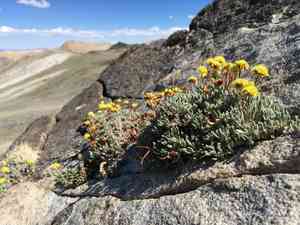
Eriogonum roseum, a resilient, low-lying perennial, is recognized for its vivid groupings of pink blossoms. To foster robust development and prolific flowering, trim Eriogonum roseum in the initial part of spring or the latter part of winter. Eliminate any lifeless or compromised stalks and shorten excessively grown regions to preserve its form and dimensions. Prioritize improving air circulation and light access by reducing crowded areas. Consistent trimming boosts the plant's general strength and wards off ailments. Consult gardening recommendations for optimal outcomes.
What Are the Benefits of Pruning Rosy Buckwheat?
What Are the Benefits of Pruning Rosy Buckwheat?
Rosy buckwheat benefits from trimming by growing vigorously and keeping its form. Regular trimming encourages healthy development, improves air circulation, and prevents illnesses, ensuring the plant stays strong and visually appealing.
What Is the Best Time for Pruning Rosy Buckwheat?
What Is the Best Time for Pruning Rosy Buckwheat?
Trimming rosy buckwheat in early spring or late winter is optimal as it allows the plant to recover before its active growth phase. These periods align with rosy buckwheat's dormant state, reducing stress and minimizing disease or pest risks. Pruning at these times helps shape the plant and promotes healthy growth, while also ensuring the plant's flowering period is not interrupted, as rosy buckwheat typically blooms from late spring to early summer.
What Tools Do I Need to Prune Rosy Buckwheat?
Bypass pruners
Bypass pruners are perfect for making clean cuts on live stems and branches of rosy buckwheat, ensuring minimal harm and quick recovery.
Long-handled loppers
For somewhat thicker branches, long-handled loppers offer the leverage needed to make clean cuts without harming the plant.
Pruning saw
For mature or thick woody stems, a pruning saw ensures precise cutting without causing undue stress to rosy buckwheat.
Gloves
Protective gloves are essential for handling rosy buckwheat safely and comfortably, preventing injury from any sharp or rough surfaces.
How to Prune Rosy Buckwheat
Assess
Identify and inspect the rosy buckwheat for any diseased or withered leaves that need to be removed.
Sanitize
Sanitize your pruning shears with a mixture of one part bleach to nine parts water to prevent disease spread.
Target
Locate the diseased leaves first. Cut these leaves off at the base where they meet the stem, making sure to remove all affected tissue.
Withered
Look for withered leaves and trim them off at the base of the leaf stem to promote new growth and improve airflow.
Dispose
Dispose of all pruned leaves away from the plant area to ensure that any potential pathogens are not reintroduced.
Common Pruning Mistakes with Rosy Buckwheat
Improper technique
Many gardeners make the mistake of using dull or inappropriate tools, which can tear or crush stems rather than making clean cuts. This can lead to plant injury and disease entry points.
Over-pruning
Excessive pruning can stress rosy buckwheat, making it more susceptible to pests and diseases. Removing too much foliage at once can also hinder its ability to photosynthesize effectively.
Pruning at incorrect times
Pruning at the wrong time can adversely affect rosy buckwheat's growth and blooming cycle. While timing details aren't covered here, it's crucial to prune it when it's not actively growing.
Neglecting deadheading
Forgetting to remove spent flowers can lead to reduced blooming. Deadheading encourages new growth and a more prolonged flowering period.
Ignoring the plantâs natural shape
Pruning without considering rosy buckwheat's natural growth habit can result in an unnatural appearance and may harm its structural integrity.
Common Pruning Tips for Rosy Buckwheat
Use sharp tools
Always use sharp, clean pruning shears to make precise cuts. This reduces the risk of injury to the plant and minimizes the chance of disease transmission.
Less is more
When in doubt, prune conservatively. It's better to make more frequent, smaller cuts than to prune extensively all at once.
Deadhead regularly
Regularly remove spent flowers to promote continuous blooming. Pinch or cut the flower stems back to a lateral growth point or a set of leaves.
Follow the natural shape
Prune according to rosy buckwheat's natural growth pattern. Aim to enhance its aesthetic form rather than drastically altering it.
Remove damaged or diseased growth
Promptly remove any dead, damaged, or diseased branches to maintain plant health and prevent the spread of disease.



