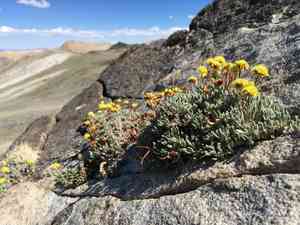
Rosy buckwheat (Eriogonum rosense)
Also known as: Rose Mountain Buckwheat
A plant well-suited to rocky alpine environments and characterized by a cushion-like, tufted growth form is the *Saxifraga*. This perennial herb thrives in harsh, high-altitude conditions and is known for its dense, green foliage. The clusters of delicate pink to white flowers that bloom from it add a touch of beauty to its rugged surroundings. Its sturdy nature and drought resistance make it a perfect fit for such challenging habitats.
In This Article
Attributes of Rosy buckwheat
Lifespan
Perennial
Plant Type
Herb
Plant Height
5-20 cm
Spread
10-30 cm
Leaf Color
Grey-green
Flower Size
0.5-1 cm
Flower Color
Pink to red
Images of Rosy buckwheat
Quickly Identify Rosy buckwheat
1
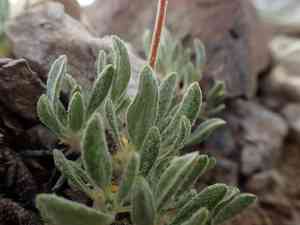
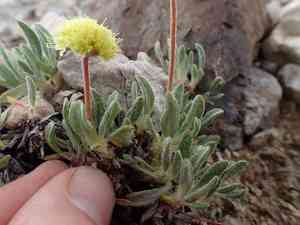
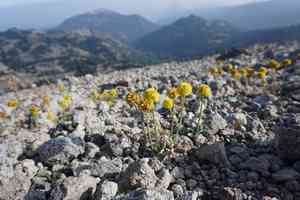
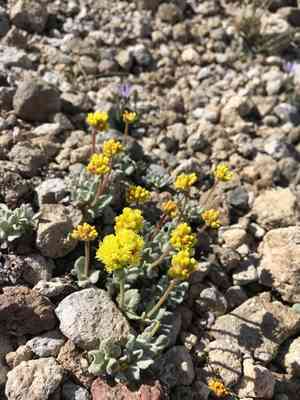
Eriogonum rosense can be identified by its low-growing, mat-forming habit, grey-green leaves, and vibrant pink to reddish flowers that cluster at the top of slender stems.
Scientific Classification of Rosy buckwheat
Phylum
Vascular plants
Class
Dicotyledons
Order
Caryophyllales
Family
Buckwheat
Genus
Wild Buckwheat
Species
Rosy buckwheat
Planting and Growing of Rosy buckwheat
Care Difficulty
Moderate
Watering Schedule
Every 2 days
Sunlight Requirements
Full sun
Sunshine Duration
8-12 hours
Ideal Temperature
60-75℉
Soil Type
Potting Mix, Peat Mix
Soil pH
6.5-7.5
Fertilizer Type
Balanced
Pruning Season
Spring, Summer
Pruning Area
Branches, Leaves
Pruning Frequency
2 times a year
Repotting Season
Spring
Pot Type
Ceramic, Plastic
 How to Water Rosy buckwheat?
Eriogonum rosense, despite its rugged nature, requires a mindful approach to watering. The key is to ensure just enough moisture to mimic its natural arid conditions. Typically, 200ml per watering suffices, allowing the soil to be moistened but not saturated. It's vital to let the top inch of soil dry out between waterings to prevent root rot.
What are the symptoms of an underwatered Rosy buckwheat?
›
What should I do if my Rosy buckwheat is not getting enough water?
›
What are the symptoms of an overwatered Rosy buckwheat?
›
How to save an overwatered Rosy buckwheat?
›
 What Are the Sunlight Requirements for Rosy buckwheat?
Eriogonum rosense flourishes best in full to partial sunlight, meaning it appreciates extensive direct sun with some shade at peak times. Sufficient light ensures its aesthetic appeal and physiological health.
What is the ideal sunlight condition for Eriogonum rosense?
›
How can I ensure Eriogonum rosense gets its ideal sunlight?
›
What are the benefits of Eriogonum rosense receiving optimal light?
›
 What Is the Ideal Temperature Range for Rosy buckwheat?
The ideal temperature range for Eriogonum rosense is between 60 and 75 degrees Fahrenheit. This range provides an optimal environment for growth, promoting effective photosynthesis and healthy development. Staying within this range reduces stress on the plant and helps maintain robust foliage and vibrant flowering.
 What Soil is Best for Rosy buckwheat?
Eriogonum rosense thrives in well-drained soils, preventing waterlogging that can lead to root rot. This is beneficial as it mimics its natural habitat, supporting healthy root development and optimal nutrient uptake. This plant prefers soils with a pH between 6.5 and 7.5, which facilitates the availability of essential nutrients, fostering robust growth. A suitable pH ensures microbial activity enhancing soil fertility. While not overly demanding, Eriogonum rosense benefits from soil enriched with organic matter. This aids in maintaining moisture while supplying necessary nutrients to support blooming and overall vigor.
 How to Fertilize Rosy buckwheat?
Eriogonum rosense generally thrives on a minimal and balanced nutrient regimen. When applying fertilizers, aim for a moderate amount—approximately half the recommended dose on the fertilizer label. It is essential not to over-fertilize as this can harm the plant rather than benefit it.
 How to Prune Rosy buckwheat?
Begin by assessing the plant for any dead or diseased stems and carefully remove them using sharp, clean shears. Encouraging bushier growth can be achieved by cutting back stems to just above a pair of leaves. Focus on keeping the plant's shape neat by removing any stray or crossing branches. Remember to avoid cutting more than a third of the plant at once, as this can stress the plant.
More About Pruning Techniques→
 How to Propagate Rosy buckwheat plant?
1
For seed propagation, begin by collecting mature seeds from Eriogonum rosense flowers. Clean the seeds to eliminate debris and store them in a cool, dry place until you are ready to plant.
2
Select healthy stems to cut for propagation purposes. Use sharp pruning shears to cut the stems at a 45-degree angle to maximize the surface area for rooting. Trim off any excess leaves at the base.
3
Plant seeds or cuttings in a well-draining soil mix. Ensure consistent moisture levels and monitor for signs of growth or any issues. Adjust watering as necessary and provide adequate sunlight exposure.
 How to Repot Rosy buckwheat plant?
1
You'll know it's time to repot Eriogonum rosense when you observe roots starting to circle around the pot's surface. Another indicator could be reduced plant growth even in its active periods, pointing to the plant being root-bound. Repot preferably during spring or summer to ensure the plant's optimal recovery.
2
Selecting the right pot for your Eriogonum rosense involves ensuring it has ample drainage holes to prevent waterlogging. The pot should be only slightly larger than the previous one, allowing room for root expansion without encouraging excessive soil moisture retention. This careful balance helps maintain the plant's health.
3
Opt for a sandy soil mix that provides excellent drainage for Eriogonum rosense. This type of soil prevents root rot and mimics the plant's natural habitat, ensuring that even in a pot, your plant feels at home and thrives. The right soil will ensure better nutrient uptake and robust growth.
Learn More About Rosy buckwheat Diseases
Anthracnose
Bacterial Leaf Spot
Bacterial Wilt
Chemical Injury
Crown Gall
Cyst Nematode
Damping-off
Downy Mildew
Drought Stress
Fusarium Wilt
Gray Mold
Leaf Curl
Leaf Spot
Mosaic
Nutrient Deficiency
Nutrient Toxicity
Powdery Mildew
Root Rot
Root-knot Nematode
Rusts
Sooty Mold
Spider Mites
Temperature Stress
Thrips Damage
White Mold



