How to Prune Matted buckwheat?
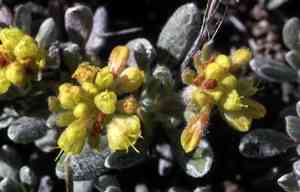
Eriogonum caespitosum, a perennial herb recognized for its low-growing, spreading habit, necessitates precise trimming methods. The most effective periods for pruning are in early spring and late winter, coinciding with its natural development phase. Cut back mature, lignified stalks to stimulate fresh development and preserve its form. Refrain from extensive cutting during vigorous growth phases to avert undue strain. Consistent trimming fosters more robust foliage and increased flowering. Always employ sanitized, keen implements to lessen harm and diminish the likelihood of disease.
What Are the Benefits of Pruning Matted Buckwheat?
What Are the Benefits of Pruning Matted Buckwheat?
Matted buckwheat will grow robustly and maintain its form when trimmed, which encourages vigorous development, enhances blooming, and improves its overall look. Trimming also aids in resisting pests and diseases.
What Is the Best Time for Pruning Matted Buckwheat?
What Is the Best Time for Pruning Matted Buckwheat?
Trimming matted buckwheat during early spring or late winter ensures the plant is still dormant or just starting its growth cycle, which minimizes stress and potential harm. This timing also allows for the removal of dead or damaged branches before new growth begins, fostering a healthier and more vigorous plant. Pruning at this time avoids interfering with the flowering period, ensuring matted buckwheat can bloom fully during its natural season.
What Tools Do I Need to Prune Matted Buckwheat?
Hand Pruners
Perfect for making clean cuts on small branches and stems. Essential for precise trimming and shaping of matted buckwheat.
Bypass Pruners
Useful for green, living growth as they make clean cuts which help in quicker healing of matted buckwheat.
Anvil Pruners
Effective for dead, thicker branches. These provide the necessary force to cut through tougher parts of matted buckwheat.
Pruning Shears
Beneficial for cutting through stems and small woody parts. Perfect for regular maintenance of matted buckwheat.
Loppers
Important for removing thicker, harder-to-reach branches. They extend reach and provide more leverage for cleaner cuts on matted buckwheat.
How to Prune Matted Buckwheat
Inspection
Carefully examine matted buckwheat for any diseased or withered leaves. Use a magnifying glass if needed to spot subtle signs of illness or decay.
Sterilization
Sanitize your pruning shears with rubbing alcohol or a solution of one part bleach to nine parts water to prevent disease spread.
Removal
Gently remove diseased leaves by cutting at the base of the leaf stem, ensuring you do not harm the healthy parts of matted buckwheat. Use clean, sharp cuts avoiding jagged edges.
Disposal
Immediately discard removed leaves in a sealed bag to prevent any potential disease spread. Do not compost the diseased material.
Sterilization Again
Re-sterilize your pruning tools after trimming to ensure any pathogens are eliminated, preventing future plant infections.
Common Pruning Mistakes with Matted Buckwheat
Over-pruning
Removing too much foliage at once can weaken the plant and reduce its ability to photosynthesize, leading to poor health and growth.
Improper Technique
Using dull or unsuitable tools can damage stems and branches, making the plant more vulnerable to diseases and pests.
Wrong Pruning Angle
Cutting branches at an incorrect angle can hinder proper healing and water drainage, promoting rot and infections.
Inaccurate Identification
Failing to correctly identify dead, damaged, or diseased branches often results in leaving problematic growths that can affect the overall health of the plant.
Common Pruning Tips for Matted Buckwheat
Use Sharp Tools
Ensure all pruning tools are sharp and clean to make precise cuts and reduce the risk of infection.
Moderate Pruning
Trim only a small portion of the plant at one timeâtypically no more than a third of the growthâto avoid stressing the plant.
Correct Angles
Make clean, angled cuts to ensure water does not collect on the cut surface, which can lead to rot.
Identify Problem Areas
Carefully inspect the plant to identify and remove any dead, damaged, or diseased branches to promote healthy growth.
Encourage Airflow
Thin out dense areas to improve air circulation within the plant, reducing the risk of fungus and other diseases.



