
Matted buckwheat (Eriogonum caespitosum)
Also known as: Matted Buckwheat, Cushion Buckwheat
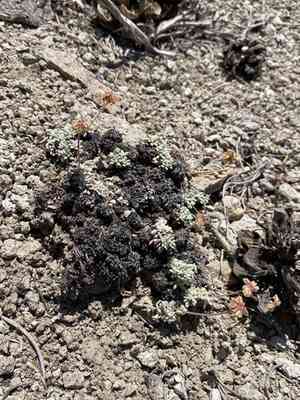
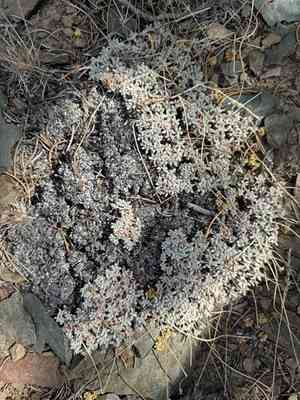
Matted buckwheat is a low-growing, mat-forming perennial that prospers in rocky, dry areas. Its dense mats of woolly, silver-grey leaves gather closely together, aiding in moisture retention and sun protection. During warmer seasons, stems bearing clusters of small, pink to white flowers emerge, drawing in pollinators. Suited to nutrient-poor soils, matted buckwheat boasts a strong root system that penetrates deeply, providing stability against strong winds.
In This Article
Attributes of Matted buckwheat
Lifespan
Perennial
Plant Type
Herb
Plant Height
10 cm
Spread
12-24 inches (30-60 cm)
Leaf Color
Green to grey-green
Flower Size
0.2-0.3 inches (0.5-0.75 cm)
Flower Color
White to pinkish
Images of Matted buckwheat


Quickly Identify Matted buckwheat
1
Eriogonum caespitosum can be identified by its cushion-like growth, small, white to pinkish flowers, and woolly leaves that are often green-grey in color.
Scientific Classification of Matted buckwheat
Phylum
Vascular plants
Class
Dicotyledons
Order
Caryophyllales
Family
Buckwheat
Genus
Wild Buckwheat
Species
Matted buckwheat
Planting and Growing of Matted buckwheat
Care Difficulty
Easy
Watering Schedule
Every day
Sunlight Requirements
Full sun
Sunshine Duration
4-6 hours
Ideal Temperature
60-75℉
Soil Type
Potting Mix, Peat Mix
Soil pH
6.5-7.5
Fertilizer Type
Balanced
Pruning Season
Spring, Summer
Pruning Area
Branches, Leaves
Pruning Frequency
2 times a year
Repotting Season
Spring
Pot Type
Plastic, Ceramic
 How to Water Matted buckwheat?
For Eriogonum caespitosum, it's crucial to mimic its native dry environments. Water roughly 100ml each time and ensure that the soil gets saturated but not waterlogged. The principle is to deeply soak the roots yet allow the soil to dry out completely between waterings.
What are the symptoms of an underwatered Matted buckwheat?
›
What should I do if my Matted buckwheat is not getting enough water?
›
What are the symptoms of an overwatered Matted buckwheat?
›
How to save an overwatered Matted buckwheat?
›
 What Are the Sunlight Requirements for Matted buckwheat?
Eriogonum caespitosum prefers full sun, 6 to 8 hours of sunlight daily. This condition promotes maximum growth, flowering, and boosts the plant's immune function, helping it resist pests and diseases.
What is the optimal light condition for Eriogonum caespitosum?
›
How can one ensure Eriogonum caespitosum receives ideal lighting conditions?
›
What are the benefits of ideal lighting for Eriogonum caespitosum?
›
 What Is the Ideal Temperature Range for Matted buckwheat?
For Eriogonum caespitosum, the ideal temperature range is between 60°F to 75°F. This range provides optimal conditions for growth by ensuring adequate metabolic rates, photosynthesis, and enzyme activity. Maintaining this temperature range helps the plant thrive, promoting healthy growth and flowering.
 What Soil is Best for Matted buckwheat?
Eriogonum caespitosum thrives in well-draining soils that prevent waterlogging, essential for avoiding root rot. Such soils ensure the plant's roots receive adequate oxygen, promoting robust growth and healthy foliage. This plant prefers soils that are typically low in nutrients. By thriving in less fertile soils, it reduces competition from other vegetation, allowing it to maintain its niche and flourish in specialized habitats. Eriogonum caespitosum can tolerate slightly alkaline soil conditions, which help to simulate its native habitat. This preference prevents nutrient lockout, ensuring the plant can access essential minerals effectively.
 How to Fertilize Matted buckwheat?
When fertilizing Eriogonum caespitosum, use a balanced 10-10-10 fertilizer. For liquid fertilizers, dilute at a rate of 1 teaspoon per gallon of water. For slow-release granules, apply according to package instructions, typically around 1 tablespoon per square foot.
 How to Prune Matted buckwheat?
Begin by inspecting the plant to identify dead or damaged stems, focusing on areas with signs of decay or browning. Cut these back to the base to allow space for healthy new growth. Trim back overgrown sections to maintain a compact shape, but avoid cutting more than one-third of healthy tissue to prevent shock. Shape carefully by making cuts above leaf nodes to encourage branching, and remove any crossing branches that may rub and cause damage.
More About Pruning Techniques→
 How to Propagate Matted buckwheat plant?
1
Fill seed trays with a well-draining potting mix. Moisten the soil lightly, ensuring it's not soggy, to provide an ideal environment for seed germination.
2
Use sharp, sterilized pruning shears to take semi-hardwood cuttings. Cut about 4-6 inches from a healthy plant segment, ensuring clean cuts to prevent infection.
3
Gently dig up whole plants and shake off excess soil. Use garden tools to carefully divide the rootball into smaller clumps, ensuring each division has roots attached.
 How to Repot Matted buckwheat plant?
1
Eriogonum caespitosum displays clear signals when it requires repotting. Look for roots emerging from drainage holes or a noticeable slowdown in growth. These signs indicate the plant is yearning for more space. The best time to repot is during the active growing seasons of spring or autumn, ensuring minimal stress.
2
Selecting the perfect pot for Eriogonum caespitosum is crucial. Choose a pot that is one size larger than the current one, with ample drainage holes. The additional space will accommodate root expansion, promoting healthy growth. A well-drained environment prevents root rot and ensures vibrant health.
3
For Eriogonum caespitosum, opt for a well-draining, sandy soil mix. This type of soil mimics its natural habitat and allows excess water to escape quickly, preventing root rot and offering excellent aeration. A carefully chosen soil mix supports strong, healthy plant development.



