How to Prune Winged buckwheat?
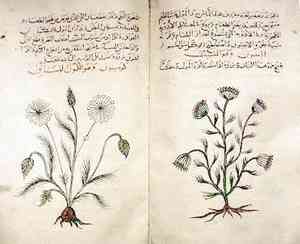
Distinguished by its distinctive, alate stems and groupings of tiny blossoms, winged buckwheat thrives with trimming during both the spring and summer seasons. Perform pruning to eliminate deceased or compromised stems, improve air circulation, and foster a denser growth pattern. Trimming after the blooming period assists in controlling its dimensions and revitalizing the specimen. Refrain from over-pruning to avert unnecessary strain. Consistent trimming boosts its general well-being and encourages more abundant flowering, rendering winged buckwheat a desirable feature in horticultural settings.
What Are the Benefits of Pruning Winged Buckwheat?
What Are the Benefits of Pruning Winged Buckwheat?
Pruning winged buckwheat encourages robust development and helps maintain its form. Through regular trimming, gardeners can boost the plant's vitality, enhance its look, and manage its size, ensuring optimal growth and overall plant vigor.
What Is the Best Time for Pruning Winged Buckwheat?
What Is the Best Time for Pruning Winged Buckwheat?
Spring pruning allows for the removal of winter damage and stimulates new growth as winged buckwheat's active growing period commences. Summer pruning aids in controlling the plant's size and shape, and ensures that any blooming or fruiting cycles are not negatively affected. These periods are ideal as they align with winged buckwheat's natural growth pattern, allowing the plant to recover and flourish.
What Tools Do I Need to Prune Winged Buckwheat?
Hand Pruners
Perfect for precise cuts and eliminating dead or damaged stems. Suitable for the small to medium-sized branches of winged buckwheat.
Bypass Loppers
Useful for reaching into the plant's core and cutting thicker branches. Bypass loppers create clean cuts without crushing plant tissue.
Pruning Saw
Essential for trimming any larger, woody sections of winged buckwheat. A pruning saw can handle thicker branches that hand pruners and loppers cannot.
Gloves
Provides protection against any sharp or rough stems while offering a better grip on the tools.
Disinfectant
Crucial for cleaning tools between cuts to prevent disease transmission. Use a solution of 70% isopropyl alcohol or a bleach-water mixture.
How to Prune Winged Buckwheat
Assess
Examine winged buckwheat for any diseased leaves, withered leaves, or diseased stems. Identifying the affected parts will guide the pruning process.
Clean Tools
Sanitize all pruning tools with a solution of one part bleach to nine parts water to prevent the spread of disease.
Remove Diseased Parts
Carefully cut off any diseased leaves and diseased stems back to healthy tissue. Make clean cuts just above a leaf node or healthy section of the stem to promote proper healing.
Trim Withered Leaves
Snip off any withered leaves close to their base. This helps in redirecting energy to healthy parts of winged buckwheat.
Dispose Debris
Dispose of all removed diseased leaves, withered leaves, and diseased stems responsibly. Do not compost these parts as they might harbor plant pathogens.
Common Pruning Mistakes with Winged Buckwheat
Over-pruning
Removing too much foliage at once can stress winged buckwheat, leading to stunted growth and reduced flowering.
Improper cuts
Making rough or jagged cuts can damage the plant tissue, inviting disease and pests.
Pruning at the wrong growth stage
Pruning during active growth can disrupt the development of leaves and flowers. Timing is crucial even if the specific season is not discussed here.
Neglecting sanitation
Using dirty or dull tools can introduce pathogens. Clean and sharp tools are essential to avoid infections.
Ignoring plant structure
Failing to consider the natural shape of winged buckwheat can result in an unnatural appearance and hinder airflow through the plant, promoting disease.
Common Pruning Tips for Winged Buckwheat
Light trimming
Engage in light trimming to remove dead or diseased stems, which helps sustain winged buckwheat's overall health without causing stress.
Clean cuts
Use sterilized and sharp pruning shears to make clean cuts just above a leaf node or bud to encourage healthy new growth.
Maintain shape
Follow the natural growth habit of winged buckwheat to maintain an open and airy structure, which improves light penetration and airflow.
Gradual process
Prune gradually over time rather than all at once, which allows winged buckwheat to recover and thrive without excessive shock.
Monitor growth
Regularly monitor and remove any weak or crossing branches to prevent crowding and improve structural integrity.



