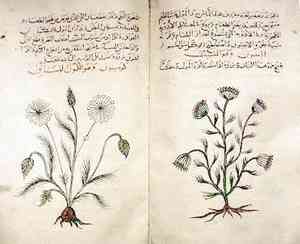
Winged buckwheat (Eriogonum alatum)
Also known as: winged buckwheat
Winged buckwheat (Eriogonum alatum) thrives in sandy and gravelly soils and is named for its distinctive winged seeds. Among Native American tribes, particularly the Navajo and Zuni, it holds ceremonial importance. The plant is utilized in various rituals and traditional practices, showcasing its cultural significance beyond its ecological presence.
In This Article
Attributes of Winged buckwheat
Lifespan
Perennial
Plant Type
Herb, Shrub
Plant Height
30-90 cm
Spread
Not well-defined as a shrub but can spread about 30-60 cm across
Leaf Color
Grayish-green
Flower Size
0.2-0.5 cm
Flower Color
White to pinkish
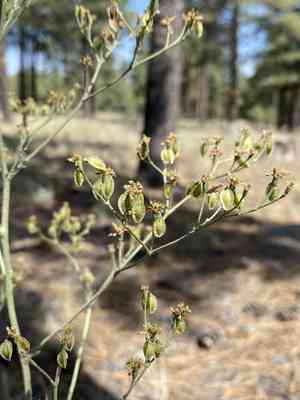
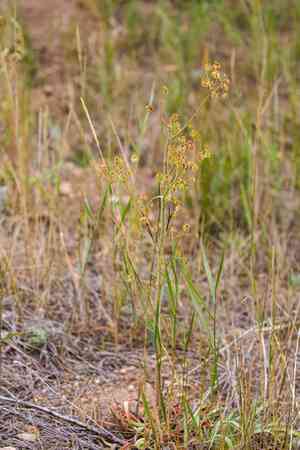
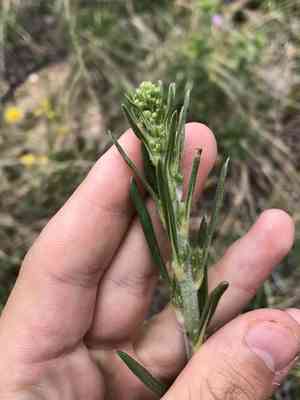
Images of Winged buckwheat
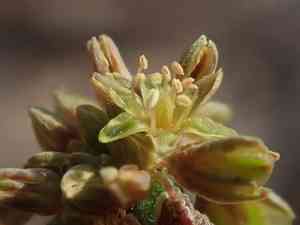
Quickly Identify Winged buckwheat
1
To identify Eriogonum alatum, look for its distinctive winged stems and small, white to pinkish flowers that form in clusters. The leaves are typically narrow and may have a grayish-green hue.
Scientific Classification of Winged buckwheat
Phylum
Vascular plants
Class
Dicotyledons
Order
Caryophyllales
Family
Buckwheat
Genus
Wild Buckwheat
Species
Winged buckwheat
Planting and Growing of Winged buckwheat
Care Difficulty
Moderate
Watering Schedule
Every day
Sunlight Requirements
Full sun
Sunshine Duration
4-8 hours
Ideal Temperature
60-75℉
Soil Type
Potting Mix, Peat Mix
Soil pH
6.5-7.5
Fertilizer Type
Balanced
Pruning Season
Spring, Summer
Pruning Area
Branches, Leaves
Pruning Frequency
2 times a year
Repotting Season
Spring
Pot Type
Plastic, Terracotta
 How to Water Winged buckwheat?
For Eriogonum alatum, water should be sufficient to moisten the soil but not to the point of becoming waterlogged. Aim for around 200 ml of water to give the roots adequate moisture. Ensure that water drains through the soil to avoid root rot.
What are the symptoms of an underwatered Winged buckwheat?
›
What should I do if my Winged buckwheat is not getting enough water?
›
What are the symptoms of an overwatered Winged buckwheat?
›
How to save an overwatered Winged buckwheat?
›
 What Are the Sunlight Requirements for Winged buckwheat?
Eriogonum alatum thrives in full sun for most of the day. Optimal lighting results in better energy production through photosynthesis, which enhances plant health, vigor, and blooming capacity.
Optimal Sun Exposure
›
Adjusting Location for Sunlight
›
Advantage of Optimal Lighting
›
 What Is the Ideal Temperature Range for Winged buckwheat?
Eriogonum alatum thrives best within an ideal temperature range of 60°F to 75°F. This range allows for optimal metabolic processes, ensuring efficient nutrient uptake and photosynthesis. During these conditions, the plant exhibits healthy growth with vibrant foliage and strong flowering patterns.
 What Soil is Best for Winged buckwheat?
Eriogonum alatum prefers well-draining soils to prevent root rot and promote healthy growth. This requirement helps to ensure that water does not stagnate around the root zone, which can lead to fungal infections. It thrives in soils that are moderately rich in nutrients, allowing the plant to access essential minerals while avoiding excessive nutrient levels that can cause environmental stress. This plant is adapted to arid environments, so it prefers soil that retains minimal moisture. This helps the plant maintain its natural resilience and water efficiency.
 How to Fertilize Winged buckwheat?
For Eriogonum alatum, apply a balanced liquid fertilizer diluted to half strength. Use approximately 2-3 tablespoons per gallon of water to provide adequate nutrients without overwhelming the plant's delicate physiological structure.
 How to Prune Winged buckwheat?
Begin by inspecting the plant for any dead, damaged, or diseased stems. Remove these first to prevent any potential spread of disease. Cleaning up these parts will open up the plant for better airflow. Next, focus on shaping the plant. This involves cutting back excessive growth to maintain a desired height and form. Make cuts just above a node where new growth is likely to sprout. Prune stems back by a third to encourage more flowering branches. This is essential for Eriogonum alatum to produce a fuller display of its delicate blooms during its flowering season.
More About Pruning Techniques→
 How to Propagate Winged buckwheat plant?
1
Start by collecting seeds in the autumn when they're ripe. Clean and dry the seeds properly to prevent mold growth. Store them in a cool, dry place until you’re ready for planting in early spring.
2
Select healthy, non-flowering shoots from mature plants. Cut a minimum of 3-4 inches long along a leaf node. Remove leaves from the lower half to prevent rot when planted.
3
In early spring or autumn, carefully dig up mature clumps of Eriogonum alatum. Separate them into smaller sections with roots attached. Replant immediately in prepared soil.
 How to Repot Winged buckwheat plant?
1
Repot Eriogonum alatum when its roots fill the pot, and growth becomes stunted. Spring and autumn are optimal times, as they coincide with its growth and rest periods respectively. Look for signs like roots growing out of drainage holes or soil that dries out too quickly.
2
Select a pot slightly larger than the current one, with ample drainage holes. A slightly bigger pot allows room for root growth without overwhelming the plant, ensuring better water management and preventing root rot.
3
Use a well-draining gritty soil mix designed for succulents or rock garden plants. This prevents waterlogging and mimics the plant's natural habitat, promoting healthy root development and minimizing the risk of fungal infections.



