How to Prune Woolly yerba santa?
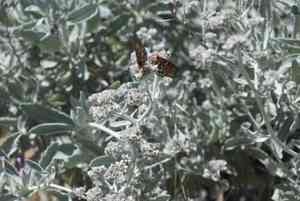
Eriodictyon tomentosum benefits from yearly trimming to sustain its well-being and robustness. Essential methods involve excising deceased or impaired limbs and reducing dense sections to improve air circulation. This trimming should occur in early spring, prior to the emergence of new shoots, to foster peak growth. Consistent pruning aids in managing the plant's dimensions and form, boosts bloom production, and lessens issues with pests. Always employ sanitized, sharp implements to lessen injury and the potential for pathogen spread. Consult botanical recommendations for precise maintenance advice.
What Are the Benefits of Pruning Woolly Yerba Santa?
What Are the Benefits of Pruning Woolly Yerba Santa?
Trimming woolly yerba santa promotes robust development and helps maintain a desired form. It fosters healthier foliage, lowers disease risks, and manages size, ensuring the plant stays strong and visually appealing. Regular trimming improves air circulation and light access, crucial for peak health.
What Is the Best Time for Pruning Woolly Yerba Santa?
What Is the Best Time for Pruning Woolly Yerba Santa?
Trimming woolly yerba santa in early spring is optimal as it allows for the removal of winter-damaged branches and encourages vigorous new growth before the active growing season begins. Woolly yerba santa typically starts its growth cycle in spring, and early pruning helps shape the plant while it's dormant or just emerging. This timing also ensures pruning wounds are exposed to fewer potential pathogens, as infection risk is lower then.
What Tools Do I Need to Prune Woolly Yerba Santa?
Hand Pruners (Secateurs)
Perfect for cutting small stems and branches up to ¾ inch in diameter. Essential for making clean cuts to encourage healthy regrowth.
Lopping Shears (Loppers)
Useful for thicker branches ranging from ¾ inch to 1½ inches in diameter. The long handles provide leverage for easier cutting.
Pruning Saw
Best for branches thicker than 1½ inches. A curved or straight pruning saw ensures precision and minimal damage to the plant.
Bypass Pruners
Recommended for making precise cuts on living stems without crushing the plant tissues, promoting healthy growth.
How to Prune Woolly Yerba Santa
Remove diseased leaves
Examine woolly yerba santa for any leaves showing disease signs like discoloration, spots, or mold. Using sterilized pruning shears, carefully snip off these affected leaves at their base to prevent disease spread.
Remove withered leaves
Identify and remove any leaves that are withered or dried out by cutting them at their base. Ensure all cuts are clean to promote healthy regrowth and limit any damage to the plant.
Cut off dead branches
Look for branches that are no longer living, characterized by lack of leaves, brittle texture, or a hollow sound when tapped. Use loppers or a pruning saw to remove these branches at their origin point, close to the main stem.
Remove diseased branches
Carefully examine woolly yerba santa for any branches that appear diseased, showing signs such as cankers, abnormal growths, or fungal infections. Prune these branches back to healthy wood, cutting just above a node or joint to encourage proper healing.
Dispose of debris
Properly dispose of all pruned material, especially those with signs of disease, to prevent recontamination. Utilize appropriate municipal disposal methods, compost only if sure of no disease risk, or burn the material if permitted.
Common Pruning Mistakes with Woolly Yerba Santa
Over-pruning
Trimming too much of woolly yerba santa can lead to plant stress, causing it to struggle to recover and potentially reducing its growth and flowering potential.
Improper technique
Using dull or unsterilized tools can damage the plant's tissues, leading to possible infections or inefficient healing.
Pruning at the wrong nodes
Cutting at inappropriate spots on the branch can hinder the plant's ability to heal and grow correctly, preventing optimal flowering and growth.
Common Pruning Tips for Woolly Yerba Santa
Use sharp, clean tools
Ensure all pruning shears, knives, and saws are sharp and sterilized before making any cuts to prevent infections and ensure clean wounds.
Make precise cuts
When pruning, cut just above a leaf node or a bud to encourage healthy new growth and to maintain the plant's natural shape.
Thin out dense growth
Remove any overly dense areas to improve air circulation and light penetration, which promotes overall plant health and reduces the risk of disease.



