How to Prune Tenangle pipewort?
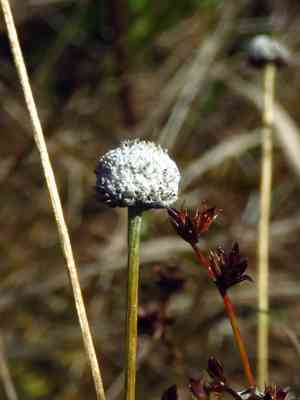
Eriocaulon decangulare, recognized for its cluster of slender, grass-like blades and fragile white blossoms, thrives best with trimming from late winter through early spring. Cut away any withered or compromised leaves to stimulate fresh development and preserve the plant's well-being. Refrain from extensive cutting due to Eriocaulon decangulare's inherently slow growth. Consistent, gentle trimming enhances its visual appeal and deters ailments. Always employ sanitized implements to lessen the chances of contamination. Appropriate timing and conservative pruning guarantee a vibrant and flourishing Eriocaulon decangulare.
Advantages of Trimming Tenangle Pipewort
Advantages of Trimming Tenangle Pipewort
Tenangle pipewort benefits from trimming as it promotes vigorous growth and helps maintain its form. Pruning eliminates dead or damaged sections, preventing illness and pests while encouraging robust new development.
Optimal Time for Trimming Tenangle Pipewort
Optimal Time for Trimming Tenangle Pipewort
Late winter and early spring are ideal for pruning tenangle pipewort because this period aligns with the plant's dormant stage, minimizing stress and fostering healthy growth once the active season begins. Trimming during these times also enhances air circulation and light penetration, reducing disease risk. Additionally, pruning in late winter or early spring can lead to a more abundant flowering period, as the plant has ample time to recover before its peak growth and bloom season.
Tools Required for Pruning Tenangle Pipewort
Bonsai Scissors
Perfect for precise trimming of fine and delicate leaves and stems of tenangle pipewort, ensuring clean cuts without harming adjacent growth.
Snips
Useful for cutting thinner stems and removing spent flowers, ensuring optimal health and appearance of tenangle pipewort.
Bypass Pruners
Crucial for clean cuts on slightly thicker stems of tenangle pipewort, preventing crushing of tender plant tissue.
Deadheading Shears
Aids in efficiently removing faded flowers, promoting continuous growth and bloom cycles for tenangle pipewort.
Fine Tipped Pruning Shears
Excellent for detailed pruning tasks, allowing accurate cuts close to the plant base without damaging nearby foliage.
How to Prune Tenangle Pipewort
Examination
Start by carefully examining tenangle pipewort for any diseased or withered leaves, ensuring you identify which parts require attention.
Sanitize tools
Sterilize your pruning tools with rubbing alcohol or a bleach solution to prevent the spread of pathogens.
Remove diseased leaves
Use sharp scissors or pruning shears to cut away any diseased leaves. Trim close to the base of the leaf stem but avoid harming healthy sections.
Remove withered leaves
Identify any withered leaves and trim them at their base, making sure to remove the entire leaf without damaging surrounding foliage.
Discard and clean
Dispose of all trimmed parts in a trash bag to prevent any potential disease spread. Clean the area around tenangle pipewort to maintain a healthy environment.
Common Pruning Errors with Tenangle Pipewort
Excessive pruning
Removing too much foliage and stems can weaken tenangle pipewort, making it susceptible to stress and disease.
Incorrect cutting angle
Cutting stems at improper angles can damage plant tissues and hinder healthy regrowth.
Improper tool use
Using dull or unsterilized tools can result in jagged cuts and increase the risk of infections.
Pruning too often
Frequent pruning can disrupt the natural growth cycle of tenangle pipewort, preventing it from thriving and flowering properly.
Neglecting damaged parts
Failing to remove diseased or damaged parts can allow problems to spread throughout tenangle pipewort, impacting its overall health.
General Pruning Advice for Tenangle Pipewort
Use sharp, clean tools
Ensure your pruning shears are sharp and sterilized to make clean cuts and prevent disease transmission.
Prune sparingly
Only remove dead, damaged, or diseased parts of tenangle pipewort and avoid excessive cutting to maintain balance and encourage natural growth.
Cut at a slight angle
Make cuts at a slight angle to facilitate better water run-off and reduce the risk of rotting.
Inspect regularly
Regularly check tenangle pipewort for any signs of disease or damage and prune as needed to maintain its health.
Follow natural growth pattern
Prune in a way that follows the natural shape and growth pattern of tenangle pipewort to support its structural integrity and aesthetics.



