How to Prune Sevenangle pipewort?
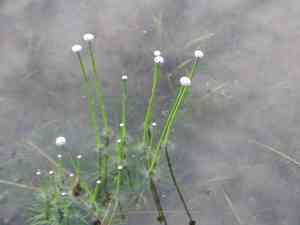
Eriocaulon 7, a perennial aquatic plant, flourishes with little intervention and displays a unique, spherical flower cluster on delicate stalks. To encourage robust development, detach faded blossoms and withered or discolored foliage by cutting near the base. The ideal time for trimming extends from spring to summer, coinciding with periods of active growth. Consistent removal of spent blooms encourages additional flowering and preserves the plant's appearance. Although requiring minimal upkeep, periodic pruning guarantees vigor and visual attractiveness.
Advantages of Trimming Sevenangle Pipewort
Advantages of Trimming Sevenangle Pipewort
Trimming sevenangle pipewort promotes robust development and helps maintain its characteristic form, ensuring the plant stays vigorous and visually pleasing while preventing excessive growth that can lead to diminished performance.
Optimal Period for Trimming Sevenangle Pipewort
Optimal Period for Trimming Sevenangle Pipewort
Trimming sevenangle pipewort during Spring is advantageous as this is when the plant initiates its active growth phase. This allows sevenangle pipewort to quickly recover from trimming and allocate energy to new growth, contributing to a denser and healthier plant. Summer trimming, particularly early to mid-summer, is also appropriate as this prepares sevenangle pipewort for the slower growth period in fall and winter. During these seasons, sevenangle pipewort can efficiently heal trimming wounds, reducing the risk of disease or pest infestation. Trimming after flowering can also stimulate a second bloom under certain conditions. Avoid trimming in late fall or winter as it may negatively affect the overwintering process and the subsequent year's growth.
Tools Required for Trimming Sevenangle Pipewort
Aquatic Plant Scissors
These are perfect for precise cutting in an aquatic setting. Sevenangle pipewort can be a fragile plant, and using scissors specifically designed for aquatic plants will enable the gardener to make accurate cuts without disrupting the aquatic environment.
Long-handled Tweezers
These tweezers can be utilized for planting and subtle trimming tasks. Given the delicate nature of sevenangle pipewort, tweezers offer the precision needed to trim without causing unnecessary harm to the plant or its surrounding area.
How to Trim Sevenangle Pipewort
Clean tools
Sanitize trimming tools with isopropyl alcohol or a household disinfectant before beginning to prevent the spread of pathogens.
Inspection
Examine sevenangle pipewort closely, looking for any diseased leaves, withered leaves, or diseased stems that need removal.
Remove diseased leaves
Using the sterilized tools, gently snip off any diseased leaves at their base, taking care not to damage the surrounding healthy tissue.
Remove withered leaves
Carefully cut away any withered leaves from sevenangle pipewort, ensuring clean cuts to avoid tearing which can provide entry points for pathogens.
Trim diseased stems
Identify and remove any diseased stems, cutting them back to healthy tissue or the base of the plant if necessary to prevent reinfection.
Common Trimming Errors with Sevenangle Pipewort
Over-trimming
Removing too much foliage from sevenangle pipewort at once can shock the plant and impede its growth.
Improper cut
Using dull tools or making jagged cuts can damage the delicate stems of sevenangle pipewort, leading to poor plant health or disease.
Neglecting dead material
Failing to remove dead or yellowing leaves from sevenangle pipewort can lead to decay and disease, impacting the plant's overall health and aesthetic.
Trimming active growth
Cutting off actively growing tips of sevenangle pipewort can discourage flowering and reduce the plant's robustness.
Ignoring plant structure
Not considering the natural shape of sevenangle pipewort when trimming can result in an undesirable and uneven appearance.
General Trimming Advice for Sevenangle Pipewort
Sharp tools
Using clean, sharp trimming shears ensures clean cuts that minimize damage to sevenangle pipewort's delicate stems and aids in quicker recovery.
Selective removal
Gently trim away only dead or yellowing leaves and spent flower stalks to maintain the health and appearance of sevenangle pipewort, avoiding live, healthy growth.
Hydration after trimming
Watering sevenangle pipewort after trimming helps it recover and reduces stress on the plant.
Conservative approach
Taking a conservative approach to trimming, removing only what is necessary, ensures sevenangle pipewort retains enough foliage for photosynthesis and continued growth.
Timing with growth
Trim sevenangle pipewort in accordance with its growth patterns, focusing on times when trimming will encourage new growth rather than inhibit it.



