How to Prune One-flower fleabane?
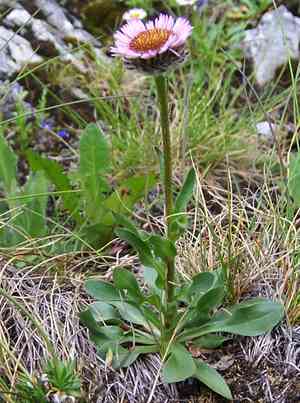
This enduring herbaceous plant, recognized for its singular, daisy-like blossoms, flourishes with infrequent trimming. For one-flower fleabane, remove spent or discolored flowers during the spring and summer seasons to stimulate further blooming and preserve a dense structure. Eliminating withered flowers also deters self-propagation if preferred. Perform light pruning to sculpt the plant or eliminate any compromised leaves to foster robust development. Consistent pruning is not mandatory but can enhance the plant's general well-being and visual attractiveness.
What Are the Benefits of Pruning One-flower Fleabane?
What Are the Benefits of Pruning One-flower Fleabane?
Trimming one-flower fleabane promotes robust development and helps maintain its form. Strategic cuts encourage healthier, denser foliage or blossoms, while removing faded flowers can lead to a more compact and appealing appearance.
What Is the Best Time for Pruning One-flower Fleabane?
What Is the Best Time for Pruning One-flower Fleabane?
Pruning or trimming one-flower fleabane is best performed in the Spring or early Summer as these periods follow the plant's natural dormant phase and precede its primary growth stage. By pruning in Spring, any potential winter damage is eliminated, and the plant's energy is directed towards producing new, healthy growth. Trimming in early Summer allows gardeners to shape one-flower fleabane and manage its size after the initial spring growth spurt, while avoiding stress on the plant during the hotter, drier mid-summer period. Additionally, since one-flower fleabane produces flowers, pruning after blooming can encourage a second flush of flowers, if the plant's flowering period occurs in spring or early summer. These seasons ensure the health and vigor of the one-flower fleabane are maintained, while optimizing its flowering potential.
What Tools Do I Need to Prune One-flower Fleabane?
Bypass Pruners
Perfect for making clean cuts on one-flower fleabane's green, non-woody stems without causing harm. Essential for deadheading and shaping.
Snips or Scissors
Ideal for precise trimming of one-flower fleabane's smaller stems and foliage, allowing for accurate thinning and upkeep.
Gloves
Protects hands from scratches and provides better grip while pruning one-flower fleabane.
How to Prune One-flower Fleabane
Sanitize tools
Before starting to prune one-flower fleabane, disinfect your pruning shears with an alcohol solution to prevent the spread of disease.
Remove diseased leaves
Carefully inspect one-flower fleabane and remove any diseased leaves by cutting them off at the base where the leaf stem meets the main stem. Ensure a clean cut to avoid tearing the tissue.
Trim withered leaves
Identify and trim away withered or dead leaves from one-flower fleabane, using the same method as for diseased leaves. This helps to maintain a healthy plant and encourages new growth.
Cut diseased stems
Locate any diseased stems on one-flower fleabane and prune them back to healthy tissue. Cut just above a leaf node or a branching point to promote new growth. Make sure the cut is angled to prevent water from collecting on the cut surface.
Clean up
After pruning one-flower fleabane, clean up all removed plant material from the area to help prevent any potential disease from spreading and dispose of it appropriately.
Common Pruning Mistakes with One-flower Fleabane
Over-pruning
Removing too much foliage from one-flower fleabane can stress the plant, lead to less flowering, and potentially result in poor plant health or death.
Improper cutting technique
Incorrectly angled cuts or tearing the stems can introduce pathogens and hinder the healing process of one-flower fleabane.
Pruning during growth
Pruning one-flower fleabane when it is actively growing can interfere with its development and flowering process.
Using dull tools
Dull or unclean pruning tools can damage one-flower fleabane's stems, making them vulnerable to disease.
Neglecting to prune
Failing to prune one-flower fleabane can result in a leggy, less attractive plant, with potential for reduced vigor and bloom.
Pruning without a plan
Random or excessive pruning without understanding the growth pattern of one-flower fleabane can lead to an undesirable plant shape and reduce blooms.
Common Pruning Tips for One-flower Fleabane
Sterile equipment
Using clean, sharp pruning tools prevents the spread of disease and ensures clean cuts that heal rapidly for one-flower fleabane.
Pruning for shape
Shape one-flower fleabane by trimming wayward or unruly stems to maintain a compact, bushy form, which promotes healthier growth and flowering.
Deadheading spent flowers
Regularly remove spent blooms of one-flower fleabane to encourage continued flowering and prevent the plant from wasting energy on seed production.
Thin out densely grown areas
Thinning dense areas improves air circulation and light penetration, which is crucial for one-flower fleabane's overall health and flowering.
Cut at appropriate node
When cutting back one-flower fleabane, make angled cuts just above a leaf node or bud to promote healthy regrowth.
Monitor plant health
Regularly assess one-flower fleabane's health to tailor pruning practices to the condition of the plant, removing only dead, diseased, or damaged stems.



