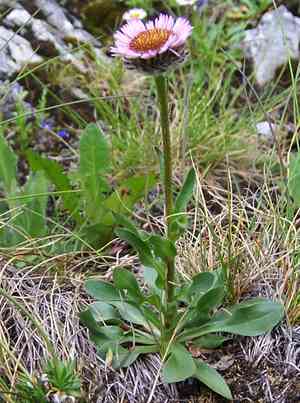
One-flower fleabane (Erigeron uniflorus)
Also known as: Dwarf fleabane, One-flowered daisy
One-headed horseweed (Erigeron decumbens) can be distinctly identified by its solitary flower head on each stem and the dense hairiness of the involucrum. The plant typically grows as a perennial herb with upright stems and reaches heights between 2 and 20 cm. Its narrow, lance-shaped leaves and preference for wetland environments also aid in its identification.
In This Article
Attributes of One-flower fleabane
Lifespan
Perennial
Plant Type
Herb
Plant Height
5 cm to 15 cm
Spread
Not applicable (individual stems)
Leaf Color
Green
Flower Size
2-3 cm (0.8-1.2 inches)
Flower Color
White Yellow Purple Brown
Images of One-flower fleabane
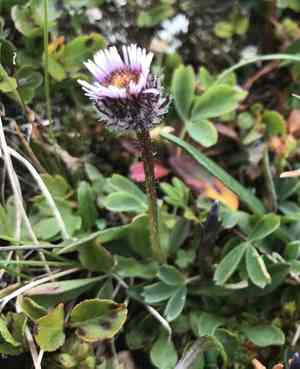
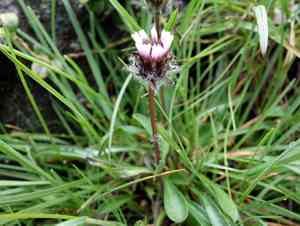
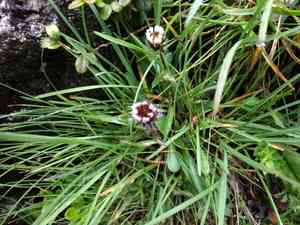
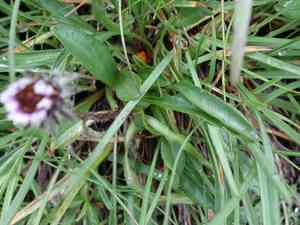
Quickly Identify One-flower fleabane
1
To identify Erigeron uniflorus, look for a single flower head at the top of a slender stem, with numerous slender ray florets that are white or pinkish, and a central cluster of yellow disc florets. The leaves are usually basal and have a lanceolate shape.
Scientific Classification of One-flower fleabane
Phylum
Vascular plants
Class
Dicotyledons
Order
Asterales
Family
Daisy
Genus
Fleabanes
Species
One-flower fleabane
Planting and Growing of One-flower fleabane
Care Difficulty
Easy
Watering Schedule
Every 2 days
Sunlight Requirements
Full sun
Sunshine Duration
6-10 hours
Ideal Temperature
59-68℉
Soil Type
Potting Mix, Peat Mix
Soil pH
6.5-7.5
Fertilizer Type
Balanced
Pruning Season
Spring, Summer
Pruning Area
Branches, Leaves
Pruning Frequency
2 times a year
Repotting Season
Spring
Pot Type
Plastic, Ceramic
 How to Water One-flower fleabane?
For Erigeron uniflorus, it's crucial to apply about 200 milliliters of water directly to the soil each time. The soil should be moist but not soggy. The rule of thumb is to let the top inch of soil dry out between waterings to prevent root rot, ensuring a balance between moisture and dryness.
What are the symptoms of an underwatered One-flower fleabane?
›
What should I do if my One-flower fleabane is not getting enough water?
›
What are the symptoms of an overwatered One-flower fleabane?
›
How to save an overwatered One-flower fleabane?
›
 What Are the Sunlight Requirements for One-flower fleabane?
Erigeron uniflorus ideally thrives in environments that provide full to partial sun exposure. Consistent sunlight promotes vigorous growth and enhances flowering, ensuring the plant's decorative appeal.
What is the ideal light condition for Erigeron uniflorus?
›
How to ensure Erigeron uniflorus gets its ideal light?
›
What benefits does Erigeron uniflorus gain from ideal lighting?
›
 What Is the Ideal Temperature Range for One-flower fleabane?
Erigeron uniflorus thrives when exposed to a temperature range between 59°F to 68°F. These conditions support optimal growth and flowering, providing the plant with an environment that closely resembles its native habitat's mild climate.
 What Soil is Best for One-flower fleabane?
Erigeron uniflorus thrives in well-drained soil that ensures root health and prevents waterlogging. This type of soil helps maintain the perfect balance of moisture and aeration, promoting healthy growth and vibrant flowering. While not overly demanding, this plant does best with a moderate level of nutrients present in the soil. A nutrient-rich environment supports robust growth and promotes abundant flowering throughout its blooming period. Erigeron uniflorus is tolerant of slightly alkaline soils, which allows it to adapt to a wider range of locations. This flexibility makes it easier to incorporate into different garden settings while maintaining healthy growth.
 How to Fertilize One-flower fleabane?
Erigeron uniflorus thrives with balanced fertilization. Use a liquid fertilizer solution diluted to half strength for optimal nutrient absorption. For slow-release fertilizers, apply approximately 25 grams per square meter during active growing seasons.
 How to Prune One-flower fleabane?
Begin by sterilizing your pruning shears to prevent disease transmission. Identify dead or diseased stems and remove them down to healthy tissue. Cut back any overly long stems to promote a compact growth habit. Always make clean cuts at a slight angle, just above a leaf node, to facilitate healthy regrowth. Regularly remove faded flowers during the blooming season. This encourages the plant to produce more flowers and prevents the formation of seeds, which can sap the plant's energy. Use sharp scissors or your fingers to pinch back the flower stems just above the first set of healthy leaves.
More About Pruning Techniques→
 How to Propagate One-flower fleabane plant?
1
Start by filling seed trays with a well-draining potting mix. Sow the seeds on the surface and lightly cover them with soil. Ensure the seeds receive enough light for germination but are not exposed to harsh sunlight.
2
Select healthy stems from the parent plant and cut them with pruning shears. The cuttings should be around 10 cm long. Remove the lower leaves and immerse the cut end in a rooting hormone to promote root growth.
3
For division propagation, carefully uproot the plant during the growing season. Gently separate the plant into smaller sections, ensuring each division has roots. Replant the divisions into prepared soil beds.
 How to Repot One-flower fleabane plant?
1
Erigeron uniflorus should be repotted when you notice roots emerging through the drainage holes. This is an indicator that the plant has outgrown its current pot. Additionally, if the soil seems to drain poorly or remains soggy for a long time despite adequate light, it's likely time to repot.
2
Select a pot that is 1-2 inches larger in diameter than the current one. Ensure it has adequate drainage holes to prevent waterlogging. A slightly larger pot allows for healthy root expansion without risking water retention that can lead to root rot.
3
Choose a well-draining potting mix to help avoid water retention. A mixture that combines peat, perlite, and sand can provide adequate aeration and drainage, promoting root health and reducing the risk of fungal infections.
Learn More About One-flower fleabane Diseases
Anthracnose
Bacterial Leaf Spot
Bacterial Soft Rot
Bacterial Wilt
Chemical Injury
Crown Gall
Cyst Nematode
Damping-off
Downy Mildew
Drought Stress
Fusarium Wilt
Gray Mold
Leaf Spot
Mosaic
Nutrient Deficiency
Nutrient Toxicity
Powdery Mildew
Root Rot
Root-knot Nematode
Rusts
Sooty Mold
Spider Mites
Temperature Stress
Thrips Damage
White Mold



