How to Prune Lesser california rayless fleabane?
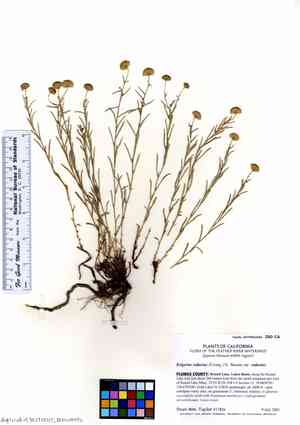
Lesser california rayless fleabane flourishes with judicious trimming to foster denser development and eliminate lifeless or injured stalks. The most suitable periods for pruning are in late winter or early spring, right before fresh shoots emerge. Employ sharp, sanitized shears to execute cuts at a gentle incline. Consistent trimming boosts blooming and preserves the plant's form. Exercise care to avoid excessive pruning, as this can strain lesser california rayless fleabane and diminish its vitality.
What Are the Benefits of Pruning Lesser California Rayless Fleabane?
What Are the Benefits of Pruning Lesser California Rayless Fleabane?
Pruning lesser california rayless fleabane encourages robust development and maintains its form. This practice ensures healthier leaves, manages plant size, and boosts resistance to pests and diseases, leading to enhanced overall appearance and vigor.
What Is the Best Time for Pruning Lesser California Rayless Fleabane?
What Is the Best Time for Pruning Lesser California Rayless Fleabane?
Trimming lesser california rayless fleabane in early spring and late winter is optimal as it coincides with the plant's inactive phase or the very start of its growth cycle. This timing minimizes stress and lowers the chance of disease or insect infestation. Furthermore, pruning during these seasons allows for better shaping and stimulates healthy new growth as the plant enters its active development period. Expert horticultural advice suggests that pruning during these times supports the overall health and aesthetic appeal of lesser california rayless fleabane, promoting abundant flowering or foliage growth in subsequent seasons.
What Tools Do I Need to Prune Lesser California Rayless Fleabane?
Hand Pruners
Perfect for precise cuts on smaller stems and branches. High-quality bypass pruners with sharp blades ensure clean cuts, minimizing plant damage.
Pruning Shears
Useful for light trimming and shaping. They are effective in maintaining the overall aesthetic without causing undue stress to the plant.
Loppers
Ideal for cutting through thicker stems or branches that are out of reach for hand pruners. These provide additional leverage, making it easier to prune mature sections of lesser california rayless fleabane.
Gloves
Essential for protecting your hands while pruning. High-quality, thorn-resistant gloves ensure safety from potential sharp edges or irritants.
Sanitizing Solution
Important for disinfecting tools between cuts to prevent the spread of disease. Use a mixture of bleach and water or rubbing alcohol.
How to Prune Lesser California Rayless Fleabane
Identify
Carefully inspect lesser california rayless fleabane to locate any diseased or withered leaves, noting their position on the plant.
Prepare
Equip yourself with clean, sharp pruning shears to prevent the spread of disease and to make clean cuts.
Remove Diseased Leaves
Cut away any diseased leaves by making clean cuts at the base of the leaf stem, ensuring to remove all affected parts to prevent further infection.
Remove Withered Leaves
Trim withered leaves at their base, making sure to cut back to a point of healthy tissue, promoting new growth.
Dispose
Safely dispose of the removed leaves far from the plant to prevent any potential spread of disease or pests.
Common Pruning Mistakes with Lesser California Rayless Fleabane
Improper technique
Using dull or inappropriate tools can bruise or damage the plantâs stems, making it susceptible to disease. Always use sharp, clean pruning shears to make crisp cuts.
Over-pruning
Removing too much foliage at once can stress lesser california rayless fleabane, reducing its ability to photosynthesize and ultimately inhibiting growth. Avoid cutting more than a third of the plant at a time.
Inconsistent pruning
Failing to prune regularly can lead to a tangled, unmanageable plant structure. Inconsistent pruning may also reduce the number of flowers produced.
Cutting too close to the ground
Pruning too low can remove the basal foliage, which is essential for the plant's overall health and growth. This can lead to reduced vigor and potential plant decline.
Common Pruning Tips for Lesser California Rayless Fleabane
Step-by-step
Start by removing any dead, diseased, or damaged stems. Next, focus on thinning out the center of the plant to improve air circulation and light penetration, which helps prevent disease and promotes healthy growth.
Angle cuts
Always make angled cuts just above a leaf node or bud to encourage new growth. This also prevents water from pooling on the cut surface, reducing the risk of rot.
Sanitization
Sanitize your pruning tools before and after use to prevent the spread of disease. A simple solution of one-part bleach to nine-parts water works well.
Monitor and adjust
Regularly monitor lesser california rayless fleabane after pruning for signs of stress or disease. Adjust your pruning technique as necessary based on the plantâs response to ensure optimal growth and flowering.



