How to Prune Willamette fleabane?
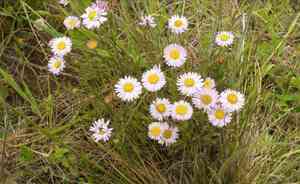
Erigeron willamettensis is a perennial plant distinguished by its prostrate, spreading stalks and aster-like blossoms. Trim Erigeron willamettensis in the early spring or late winter to stimulate robust development and flowering. Remove any withered or compromised stems and sculpt the plant, being careful not to over-prune, which could diminish bloom production. Trimming aids in enhancing air movement, lowering the chance of illness, and fostering a more sound plant architecture. Consistent, light pruning guarantees strong and appealing growth.
What Are the Benefits of Pruning Willamette Fleabane?
What Are the Benefits of Pruning Willamette Fleabane?
Trimming willamette fleabane encourages vigorous development and maintains its form by eliminating dead or overgrown branches. This improves air circulation, lowers pest and disease risk, and fosters healthier, more attractive growth.
What Is the Best Time for Pruning Willamette Fleabane?
What Is the Best Time for Pruning Willamette Fleabane?
Pruning willamette fleabane in early spring or late winter is optimal as this period aligns with the plant's dormant phase. During dormancy, willamette fleabane is not actively growing, which minimizes stress and allows for faster recovery. Furthermore, pruning before the growing season ensures the plant can produce new shoots in spring, leading to robust growth. This timing also avoids disrupting willamette fleabane's flowering or fruiting cycles, ensuring the plant can bloom profusely during its active season.
What Tools Do I Need to Prune Willamette Fleabane?
Bypass Pruning Shears
Bypass shears are excellent for making clean cuts on small stems and branches, which is ideal for the delicate management of willamette fleabane. They minimize damage to the plant tissues.
Pruning Snips
These are perfect for fine, detailed pruning tasks. Their precise blades allow gardeners to carefully remove dead or diseased flowers and stems without harming the surrounding plant structure.
Hand Pruners
Hand pruners are generally suitable for cutting smaller branches that may need occasional thinning on willamette fleabane. Their compact size makes them easy to handle and control.
How to Prune Willamette Fleabane
Inspect
Begin by closely inspecting willamette fleabane to identify diseased or withered leaves. Look for discoloration, spots, or signs of decay.
Sanitize
Sanitize your pruning tools with a solution of one part bleach to nine parts water to prevent the spread of disease.
Trim diseased
Carefully trim off all diseased leaves, making sure to cut at the base of the leaf stem. Avoid tearing or damaging the remaining healthy tissue.
Trim withered
Remove withered leaves by cutting them close to the stem. Ensure to use precise, clean cuts to promote healthy new growth.
Dispose
Properly dispose of the pruned diseased and withered leaves by sealing them in a bag and discarding them, to prevent potential spread of disease.
Common Pruning Mistakes with Willamette Fleabane
Improper technique
Using dull or dirty pruning tools can cause damage to the plant and increase the risk of disease. It's crucial to use sharp and clean tools to make clean cuts.
Over-pruning
Removing too much of the plant can stress it and impede its ability to recover. It's important to prune judiciously, removing no more than a third of the plant's growth at a time.
Timing
Pruning at the wrong time can inhibit flowering and new growth. It's important to understand the plant's growth cycle and avoid pruning during key growth periods.
Ignoring dead or damaged stems
Failing to remove dead or damaged stems can lead to disease and pest infestation. Always remove any visibly unhealthy parts of the plant.
Common Pruning Tips for Willamette Fleabane
Use sharp and clean tools
Ensure your pruning shears or scissors are sharp and sanitized before use to make clean cuts and reduce the risk of disease.
Prune sparingly
Focus on removing only the most necessary parts, such as dead, damaged, or diseased stems. Avoid removing healthy stems aggressively.
Promote airflow
Thinning out some of the interior stems can promote better airflow within the plant, helping prevent disease and encouraging healthier growth.
Cut at an angle
When making cuts, do so at a slight angle. This helps water run off the cut surface, reducing the risk of rot and infection.


