How to Prune Narrowleaf goldenbush?
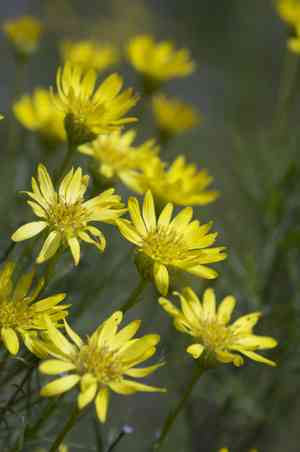
This resilient shrub, recognized for its slender, needle-like foliage and vibrant golden blossoms, narrowleaf goldenbush flourishes with little upkeep. Perform pruning from late winter through early spring to preserve its form and encourage robust development. Eliminate any deceased or compromised branches, thin out mature stems to improve light exposure and airflow, and cut back excessive growth. This practice guarantees thick, abundant leaves and can elevate flower yield, thereby augmenting narrowleaf goldenbush's aesthetic value. Employ sharp, sanitized implements for accurate cuts, thereby averting illness.
What Are the Benefits of Pruning Narrowleaf Goldenbush?
What Are the Benefits of Pruning Narrowleaf Goldenbush?
Trimming narrowleaf goldenbush promotes vigorous development and preserves its structure. Strategic cuts can stimulate new shoots, improve air circulation, lower disease risk, and keep narrowleaf goldenbush's size appropriate for its surroundings.
What Is the Best Time for Pruning Narrowleaf Goldenbush?
What Is the Best Time for Pruning Narrowleaf Goldenbush?
Late winter and early spring are ideal for trimming narrowleaf goldenbush as these seasons precede the plant's natural growth surge in spring. This timing allows narrowleaf goldenbush to recover quickly from pruning, channeling energy into new growth. Pruning in late winter also reduces the risk of disease and pest infestation, as these are less active. Additionally, since narrowleaf goldenbush blooms on new wood, pruning before the spring growth cycle ensures flowers aren't removed, which would happen if pruned after blooming starts.
What Tools Do I Need to Prune Narrowleaf Goldenbush?
Hand Pruners
Perfect for making precise cuts on narrowleaf goldenbush's smaller stems and branches, ensuring clean cuts for healthy regrowth. Hand pruners can easily handle delicate tasks without harming the plant's structure.
Lopping Shears
Suitable for cutting thicker branches of narrowleaf goldenbush that hand pruners cannot manage. Their long handles provide leverage to cut through dense growth without straining the gardener.
Pruning Saw
Essential for cutting through the thickest branches of narrowleaf goldenbush, if present. A pruning saw makes it possible to manage mature or woody growth without damaging the plant or the tool.
Garden Gloves
Protective gear to ensure the gardener avoids scrapes and cuts while handling narrowleaf goldenbush. This guarantees safety during pruning.
Pruning Sealant
Though not a tool, a sealant can be applied to protect large cuts on narrowleaf goldenbush from infections and pests.
How to Prune Narrowleaf Goldenbush
Identify
Locate the diseased leaves, withered leaves, dead branches, and diseased branches on narrowleaf goldenbush. These are the parts that will need to be trimmed to maintain the plant's health and appearance.
Disinfect
Before starting to prune narrowleaf goldenbush, sanitize your pruning tools. This will help prevent the spread of disease between different parts of the plant or to other plants.
Cut diseased withered
Carefully remove the diseased and withered leaves from narrowleaf goldenbush by cutting them at the base where they meet the stem. Use sharp, clean pruning shears for a precise cut.
Prune dead branches
Trim dead branches by cutting them back to the point where they meet healthy wood. Ensure each cut is clean and made at a slight angle to facilitate water runoff and prevent disease.
Remove diseased branches
Remove diseased branches from narrowleaf goldenbush in the same manner as dead branches. Cut back to healthy tissue to prevent further infection. Seal larger cuts with pruning sealant to protect the plant.
Common Pruning Mistakes with Narrowleaf Goldenbush
Over-pruning
Removing too much foliage from narrowleaf goldenbush at once can stress the plant, hinder its growth, and reduce blooming. Aim to remove no more than one-third of the plant's total mass.
Improper cut placement
Cutting too close to the bud or too far away can result in damage to narrowleaf goldenbush or lead to unruly growth. Cuts should be made just above the leaf nodes at a 45-degree angle to encourage proper healing and new growth.
Using dull tools
Dull pruning tools can crush stems and branches of narrowleaf goldenbush, hindering the healing process and making the plant more vulnerable to disease and pests.
Pruning during active growth
Narrowleaf goldenbush should be pruned during periods of dormancy. Cutting back during active growth phases can disrupt the natural growth cycle and reduce flowering.
Neglecting deadheading
Failing to remove spent blooms from narrowleaf goldenbush could prevent the plant from producing new flowers, as it diverts energy into seed production.
Shearing
Narrowleaf goldenbush has a natural and informal growth habit; shearing can lead to a loss of this form and affect flowering, as it can remove new bud sites.
Common Pruning Tips for Narrowleaf Goldenbush
Implement selective pruning
Focus on removing only dead, damaged, or diseased branches to maintain the health and shape of narrowleaf goldenbush. This also helps to improve air circulation and light penetration.
Encourage branching
Lightly prune or pinch back the tips of narrowleaf goldenbush to promote bushier growth and more abundant blooms.
Prioritize tool hygiene
Always use clean, sharp pruning shears or scissors to make clean cuts and minimize the risk of transmitting diseases to narrowleaf goldenbush.
Support natural shape
Prune narrowleaf goldenbush to maintain its natural habit rather than forcing it into an unnatural shape, which can stress the plant and diminish its aesthetic.
Deadhead regularly
Remove spent flowers from narrowleaf goldenbush to encourage continuous blooming and redirect the plant's energy into producing new growth.



