How to Prune Whitestem goldenbush?
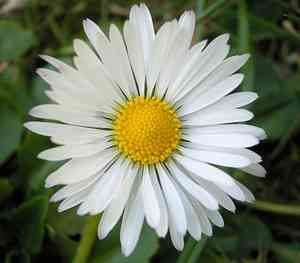
Whitestem goldenbush is a resilient shrub that withstands dry conditions, characterized by its unique pale stems and vivid yellow blossoms. Perform trimming in early spring, prior to the emergence of new shoots. Concentrate on eliminating any deceased or impaired branches to preserve the plant's well-being and structure. This practice fosters thicker foliage and more brilliant flowers. Consistent trimming deters sparse growth and enhances air movement, thereby lowering the likelihood of disease. Employ sharp, sanitized implements for accurate cuts, facilitating rapid recuperation and vigorous development.
Advantages of Trimming Whitestem Goldenbush
What Are the Benefits of Pruning Whitestem Goldenbush?
Whitestem goldenbush thrives with pruning, leading to more vigorous development and an appealing form. Regular trimming aids in fostering robust growth, managing plant dimensions, enhancing blooms, and boosting resistance to pests and illnesses.
Optimal Period for Pruning Whitestem Goldenbush
What Is the Best Time for Pruning Whitestem Goldenbush?
Trimming whitestem goldenbush in early spring is perfect as it aligns with the plant's growth cycle. During this period, whitestem goldenbush is emerging from dormancy and will soon begin its active growth phase. Pruning just before new growth allows for rapid recovery and encourages a healthy, full structure. Additionally, early spring pruning avoids disruption during the blooming season, ensuring the plant's energy is directed towards establishing strong growth rather than repairing damage or producing fruit.
Tools Required for Pruning Whitestem Goldenbush
Hand Pruners
Excellent for making precise cuts on smaller stems and branches, minimizing plant harm and encouraging healthy regrowth.
Bypass Pruners
Deliver accurate cuts for branches up to ¾ inch in diameter, preventing crushing and tearing of plant tissue.
Loppers
Useful for cutting thicker stems and branches that hand pruners cannot manage effectively. They provide superior leverage and reach.
Pruning Saw
Necessary for cutting through branches exceeding 1 inch in thickness. Its fine-toothed blade creates smooth cuts that heal more quickly.
Gloves
Crucial for safeguarding hands from potential scrapes and injuries while handling the plant.
How to Prune Whitestem Goldenbush
Identify
Inspect whitestem goldenbush for any indications of diseased leaves, withered leaves, dead branches, or diseased branches. Carefully examine each part to ensure all areas needing attention are noted.
Trim diseased leaves
Using sterilized pruning shears, snip off any diseased leaves. Make precise cuts just below the affected area to prevent disease spread.
Remove withered leaves
Carefully take off any withered leaves. These can be cut at their base where they meet healthy foliage to stimulate new growth.
Cut dead branches
Using loppers or a pruning saw for thicker branches, sever dead branches. Make clean cuts close to the branch collar without harming healthy tissue.
Eliminate diseased branches
Remove diseased branches by cutting them well below the visible signs of disease, ensuring cuts are made into healthy wood to prevent recurrence.
Common Pruning Errors with Whitestem Goldenbush
Incorrect technique
Employing unsuitable tools or making uneven, jagged cuts can harm the plant and increase its susceptibility to disease.
Poor timing
Pruning at an inappropriate time can hinder flowering and overall plant vigor.
Over-pruning
Removing excessive foliage can stress the plant, diminishing its capacity for photosynthesis and growth.
Neglecting deadwood
Failing to remove dead or diseased branches can lead to disease proliferation and impede healthy growth.
General Pruning Advice for Whitestem Goldenbush
Use sharp tools
Always use sharp, clean pruning shears or loppers to make precise cuts and prevent tearing plant tissue.
Thin out dense areas
Focus on thinning out crowded areas to enhance air circulation and light penetration, which promotes healthier growth.
Remove deadwood first
Always begin by cutting away dead, damaged, or diseased branches before shaping the plant.
Make clean cuts
Ensure each cut is clean and made just above a bud or branch junction to encourage better healing and reduce disease risk.
Maintain shape
Aim to preserve the natural form of whitestem goldenbush while ensuring it's not overly dense, which can help prevent fungal issues.



