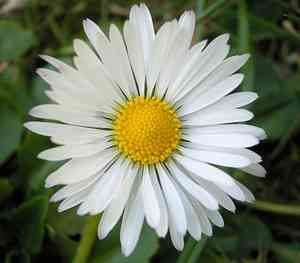
Whitestem goldenbush (Ericameria discoidea)
Also known as: Cushion Buckwheat, Parry’s Goldenbush
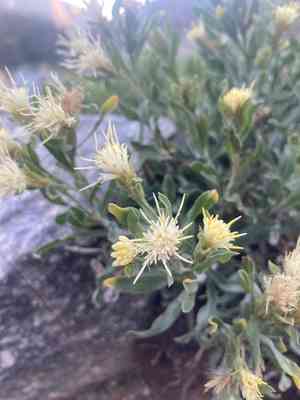
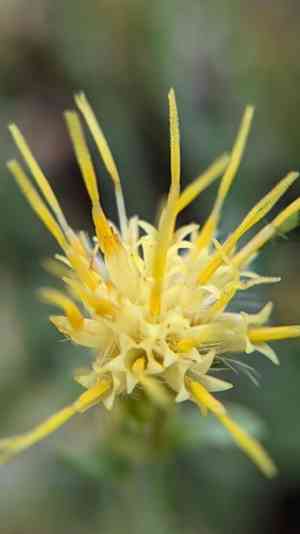
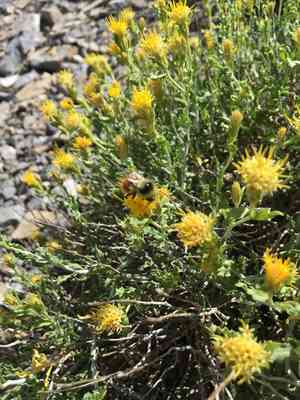
The Whitestem goldenbush (Ericameria albida) is a tough shrub that thrives in arid environments, adept at coping with limited water availability. Its small, slender leaves minimize water loss, and its bright yellow flowers bloom in dense clusters, creating a striking visual. This durable plant prospers on well-drained, rocky slopes, exemplifying the resilience required to flourish in its native dry, challenging habitats.
In This Article
Attributes of Whitestem goldenbush
Lifespan
Perennial
Plant Type
Shrub
Plant Height
10 cm to 38 cm
Spread
30-60 cm
Leaf Color
Green
Flower Size
0.5-1 cm
Flower Color
Yellow
Images of Whitestem goldenbush
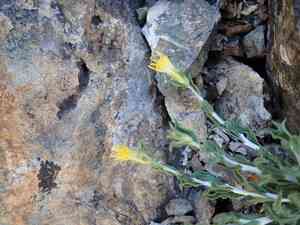
Quickly Identify Whitestem goldenbush
1
Look for a low-growing, densely branched shrub with small, narrow leaves. The flowers are typically yellow and form in small, dense clusters.
Scientific Classification of Whitestem goldenbush
Phylum
Vascular plants
Class
Dicotyledons
Order
Asterales
Family
Daisy
Genus
Goldenbushes
Species
Whitestem goldenbush
Planting and Growing of Whitestem goldenbush
Care Difficulty
Easy
Watering Schedule
Every day
Sunlight Requirements
Full sun
Sunshine Duration
4-8 hours
Ideal Temperature
50-77℉
Soil Type
Potting Mix, Peat Mix
Soil pH
6.5-7.5
Fertilizer Type
Balanced
Pruning Season
Spring, Summer
Pruning Area
Branches, Leaves
Pruning Frequency
2 times a year
Repotting Season
Spring
Pot Type
Plastic, Ceramic
 How to Water Whitestem goldenbush?
Ericameria discoidea, known for its adaptation to arid environments, requires a moderate amount of water. Typically, when watering, aim for about 250 ml. The goal is to allow the top layer of soil to slightly moisten without being overly saturated. Ensure the water reaches the root zone to fully support the plant's natural growth patterns.
What are the symptoms of an underwatered Whitestem goldenbush?
›
What should I do if my Whitestem goldenbush is not getting enough water?
›
What are the symptoms of an overwatered Whitestem goldenbush?
›
How to save an overwatered Whitestem goldenbush?
›
 What Are the Sunlight Requirements for Whitestem goldenbush?
Ericameria discoidea ideally requires full sun exposure, benefiting from 6 to 8 hours of direct sunlight. This extensive light exposure supports its growth, vibrant blooms, and resilience, allowing the plant to photosynthesize efficiently and thrive.
How much sunlight does Ericameria discoidea need?
›
What solutions help achieve ideal lighting for Ericameria discoidea?
›
What benefits arise from ideal lighting conditions for Ericameria discoidea?
›
 What Is the Ideal Temperature Range for Whitestem goldenbush?
Ericameria discoidea thrives in temperature ranges ideal for moderate climates. The ideal temperature range for its growth is between 50°F and 77°F. This range provides the warmth needed for optimal photosynthesis and growth while preventing the plant from experiencing heat stress or cold damage. Maintaining temperatures in this range will support vigorous vegetative growth and improve flowering performance.
 What Soil is Best for Whitestem goldenbush?
Ericameria discoidea thrives in soil that offers excellent drainage, preventing root rot and promoting healthy growth. Well-drained soils ensure that moisture levels are balanced, allowing roots to access necessary water without being waterlogged. While Ericameria discoidea is not particularly demanding, soil with moderate fertility provides the necessary nutrients for sustained growth. This ensures the plant maintains its vibrant foliage and flowering capabilities while avoiding excessive soil enrichment. Ericameria discoidea can tolerate slightly alkaline conditions, making it adaptable to a range of soil pH levels. This tolerance allows for versatility in planting locations and ensures plant health across various environments.
 How to Fertilize Whitestem goldenbush?
Ericameria discoidea requires a balanced approach to fertilization, with careful consideration of both the amount and type of nutrients supplied. Typically, a moderate application of a well-balanced liquid fertilizer, diluted to half the strength recommended by the manufacturer, suffices. For solid fertilizers, a gentle scattering of slow-release granules around the base of the plant once every four months provides a steady supply of nutrients. Avoid over-fertilizing, as this can lead to nutrient burn.
 How to Prune Whitestem goldenbush?
Begin by inspecting the Ericameria discoidea for any dead or damaged branches. Using sharp and clean pruning shears, trim these branches to promote better growth and health. Next, prune back any leggy or unshapely growth to encourage a fuller and more compact form. Aim to maintain its natural shape while ensuring that sunlight can penetrate the plant evenly. For those looking to artistically shape the Ericameria discoidea, select a central leader and remove any competing stems. This helps create a well-defined structure. Gradually thin out the interior branches to increase airflow, minimizing disease risk and giving the plant a more open, airy appearance.
More About Pruning Techniques→
 How to Propagate Whitestem goldenbush plant?
1
Ensure seeds are fresh and of high quality. Soak them in water for 24 hours before sowing to improve the chances of germination. Check the water temperature carefully to avoid damaging the seeds.
2
Fill the seed tray with a well-draining seed-starting mix. Sow the seeds on the surface, lightly cover them with soil, and water gently to keep the soil moist but not waterlogged.
3
Select healthy branches approximately 4-6 inches long. Remove the lower leaves and dip the cut ends in rooting hormone before planting them in a pot filled with a well-draining soil mix.
 How to Repot Whitestem goldenbush plant?
1
Ericameria discoidea signals its need for repotting typically through visible root growth beyond container boundaries or stagnation in growth. Optimal repotting time is during growing seasons in spring or summer.
2
Select a pot that is only slightly larger than the current one. Ensure it has good drainage holes to prevent waterlogging. Choosing the right size helps prevent overwatering and promotes robust root development.
3
Choose a well-draining cactus mix or a blend of sand and potting soil. This promotes adequate aeration while allowing excess water to escape, preventing root rot and promoting healthier growth.
Learn More About Whitestem goldenbush Diseases
Anthracnose
Bacterial Leaf Spot
Bacterial Soft Rot
Bacterial Wilt
Black Spot
Chemical Injury
Crown Gall
Cyst Nematode
Damping-off
Downy Mildew
Drought Stress
Fusarium Wilt
Gray Mold
Leaf Curl
Leaf Spot
Mosaic
Nutrient Deficiency
Nutrient Toxicity
Powdery Mildew
Root Rot
Root-knot Nematode
Rusts
Sooty Mold
Spider Mites
Temperature Stress
Thrips Damage
White Mold



