How to Prune Erica nutans?
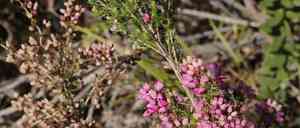
Erica nutans is a dense, perennial bush featuring slender, needle-like foliage and dainty, campanulate blossoms. The most effective time for trimming this variety is in early spring, prior to the emergence of new shoots. Remove any lifeless or frail limbs to stimulate robust development and improve air circulation. Refrain from severe cutting; instead, gentle yearly shaping preserves the plant's inherent structure and encourages abundant flowering. Post-bloom pruning can avert an elongated appearance and uphold the shrub's preferred silhouette.
What Are the Benefits of Pruning Erica Nutans?
What Are the Benefits of Pruning Erica Nutans?
Erica nutans thrives with pruning, promoting vigorous growth and shape retention, ensuring robust health, enhanced blooms, and resistance to pests and diseases. Pruning improves air circulation and light penetration, vital for optimal plant well-being. Regular trimming fosters a balanced, appealing look.
What Is the Best Time for Pruning Erica Nutans?
What Is the Best Time for Pruning Erica Nutans?
Pruning erica nutans in early spring is optimal as it aligns with its growth cycle, encouraging healthy development before the active growing season. This timing allows ample recovery prior to erica nutans's flowering period, directing energy towards vibrant blooms and overall health. Additionally, early spring pruning helps eliminate winter-damaged or dead branches, reducing disease and pest risks during the growing season.
What Tools Do I Need to Prune Erica Nutans?
Bypass Pruners
Perfect for making clean cuts on live stems and branches up to half an inch thick, which helps maintain erica nutans's health by minimizing disease risk.
Pruning Shears
Excellent for detailed trimming and shaping tasks, enabling gardeners to maintain erica nutans's attractive form and manage its density.
Long-Handled Loppers
Crucial for cutting through thicker branches up to 1.5 inches in diameter, which can be important for revitalizing older, woodier stems of erica nutans.
Hand Saw
Useful for occasional pruning of larger, woody branches that loppers cannot handle, ensuring cleaner cuts on tougher parts of erica nutans.
How to Prune Erica Nutans
Inspection
Thoroughly examine erica nutans to identify diseased, withered, or dead leaves and branches. Look for discoloration, unusual spots, or signs of pest infestation.
Sterilization
Sanitize your pruning tools with a mixture of one part bleach to nine parts water. This step is crucial to prevent disease spread to healthy parts of erica nutans.
Selective Cutting
Carefully trim away any diseased leaves first, as they can quickly spread pathogens to healthy parts of erica nutans. Make cuts just below the affected area, ensuring a clean cut for faster healing.
Removal of Dead Parts
Next, cut back any dead branches. These can drain energy from erica nutans and may become a breeding ground for pests or disease. Cut just above the base of the dead section or at the main stem.
Final Clean-Up
Remove withered leaves and any remaining diseased branches. Ensure all cut material is collected and disposed of away from the plant to prevent soil contamination or disease spread.
Common Pruning Mistakes with Erica Nutans
Improper Technique
Using dull or unsuitable tools can harm the plant. Always make clean cuts to avoid jagged edges that can lead to disease.
Over-Pruning
Removing too much foliage can weaken the plant and reduce flowering. Avoid cutting more than one-third of the plant at once.
Incorrect Timing
Pruning at the wrong time can stress the plant and negatively impact its growth and blooming cycle.
Cutting into Old Wood
Erica nutans produces flowers on new growth. Cutting into old wood can result in poor flowering and even plant death.
Ignoring Dead or Diseased Wood
Failing to remove dead or diseased branches can spread infections or pests to healthy parts of the plant.
Common Pruning Tips for Erica Nutans
Use Sharp Tools
Ensure your pruners or shears are sharp and clean to make precise cuts and minimize infection risk.
Make Clean Cuts
Always make cuts at a slight angle, just above a node or bud, to promote healing and new growth.
Focus on New Growth
Prune to encourage new growth where next season's flowers will develop. This keeps the plant vigorous and flowering well.
Remove Dead Wood
Regularly remove dead, damaged, or diseased stems to maintain the plant's health and appearance.
Shape the Plant
Prune to shape the plant following its natural growth habit, ensuring it remains attractive and doesn't become too leggy.



