
Erica nutans (Erica nutans)
Also known as: Nodding Heath
Erica nutans (Erica nutans) is a striking shrub that grows on mountain slopes and flats in South Africa. Erica nutans is covered in clusters of small pink flowers, from which the stamen and stigma extend far beyond the petals, an arrangement called exsertion.
In This Article
Attributes of Erica nutans
Lifespan
Perennial
Plant Type
Shrub
Plant Height
30-50 cm
Spread
30-40 cm
Leaf Color
Green
Flower Size
1-2 cm
Flower Color
Pink, White
Images of Erica nutans
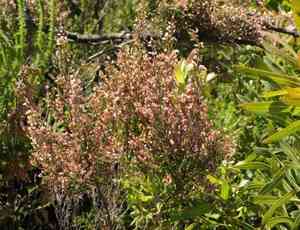
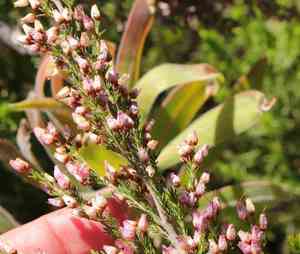
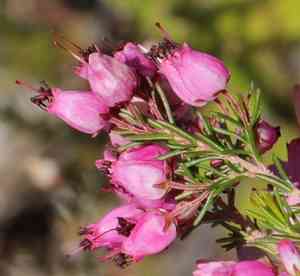
Quickly Identify Erica nutans
1
To identify Erica nutans, look for its distinctive drooping pink or white bell-shaped flowers and its needle-like leaves. The plant often forms small shrubs and prefers well-drained, acidic soils.
Scientific Classification of Erica nutans
Phylum
Vascular plants
Class
Dicotyledons
Order
Ericales
Family
Heath
Genus
Heaths
Species
Erica nutans
Planting and Growing of Erica nutans
Care Difficulty
Moderate
Watering Schedule
Every 4 days
Sunlight Requirements
Partial sun
Sunshine Duration
6-10 hours
Ideal Temperature
60-75℉
Soil Type
Potting Mix, Peat Mix
Soil pH
5.5-6.5
Fertilizer Type
Balanced
Pruning Season
Spring, Summer
Pruning Area
Branches, Leaves
Pruning Frequency
2 times a year
Repotting Season
Spring
Pot Type
Plastic, Ceramic
 How to Water Erica nutans?
Erica nutans typically thrives with around 250 ml of water per session. Make sure the top few centimeters of soil are moist but not saturated, following the principle of moistening without water logging. This plant prefers consistent moisture but not standing water.
What are the symptoms of an underwatered Erica nutans?
›
What should I do if my Erica nutans is not getting enough water?
›
What are the symptoms of an overwatered Erica nutans?
›
How to save an overwatered Erica nutans?
›
 What Are the Sunlight Requirements for Erica nutans?
Partial sun with exposure to full sun for 4 to 6 hours daily is ideal for Erica nutans. This light range enhances vibrant blooms and sturdy growth, simulating its native environment.
How much light does Erica nutans needs?
›
What are the best solutions for ideal lighting?
›
How can ideal lighting improve plant health?
›
 What Is the Ideal Temperature Range for Erica nutans?
The ideal temperature range for Erica nutans is between 60°F and 75°F. Within this range, the plant can thrive and maintain proper growth and development. This temperature range is optimal for photosynthesis and metabolic processes, ensuring the plant's vitality and resilience against minor environmental stresses.
 What Soil is Best for Erica nutans?
Erica nutans thrives in well-drained soil, preventing root rot by ensuring excess water swiftly drains away. This type of soil supports healthy growth and maintains optimal nutrient absorption. For robust growth, Erica nutans benefits from soil rich in organic matter, delivering essential nutrients. This enriches the plant's health and improves its flowering capability, resulting in bushy and vibrant displays. Though well-drained, the soil for Erica nutans should retain moisture to sustain it between waterings. This ensures the plant stays hydrated without waterlogging, fostering steady development and vigor.
 How to Fertilize Erica nutans?
Erica nutans requires a balanced approach to fertilization. Use a dilution rate of half-strength liquid fertilizer every two weeks during the active growing season. A typical amount per feeding should be approximately 200-250 ml for a medium-sized plant.
 How to Prune Erica nutans?
When pruning Erica nutans, be gentle with the thin branches, as excessive force can break them easily. It's essential to consider how the plant naturally grows and makes strategic cuts that will complement its normal growth patterns. After pruning, ensure Erica nutans is adequately watered and receives a balanced fertilizer to support recovery and new growth. Observe the plant for any signs of stress or disease, and address issues promptly to maintain its health and vitality.
More About Pruning Techniques→
 How to Propagate Erica nutans plant?
1
Fill the seed tray with a well-draining seed starting mix. Ensure the mix is slightly moist before sowing the Erica nutans seeds. Sprinkle the seeds evenly and gently cover them with a light layer of soil.
2
Select healthy, non-flowering stems from the Erica nutans. Cut sections approximately 4-6 inches long, making sure each cutting has at least a couple of leaf nodes. Remove any lower leaves to prevent rot.
3
Dip the cut ends of the cuttings in rooting hormone to promote faster root growth. Insert the cuttings into a prepared planting medium and gently firm the soil around them to secure the cuttings.
 How to Repot Erica nutans plant?
1
Repot Erica nutans when you notice slow growth and roots circling the bottom of the pot. These indicators show that the plant needs more space for healthy development. Early spring and autumn provide the best conditions for recovery as they allow roots to settle with moderate temperature and humidity levels.
2
Select a pot that is only slightly larger than the current one; around 1-2 inches wider in diameter. This ensures that the plant does not sit in excessively moist soil, which can lead to root rot. A pot with good drainage is crucial for maintaining a dry and airy environment that mimics natural conditions.
3
Use an acidic, well-drained soil mix, such as a combination of peat moss, perlite, and a bit of sand. This type of soil provides perfect drainage and replicates the natural sandy and acidic environment Erica nutans thrives in, promoting healthy root growth.



