How to Prune Christmas heather?
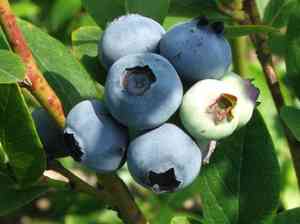
Distinguished by its vivid, campanulate blossoms, Christmas heather thrives with regular trimming to preserve its form and foster its well-being. Essential methods involve eliminating withered or compromised leaves and reducing older stems by one-third each year subsequent to blooming, generally from late spring to early summer. This practice stimulates fresh development and prolific flowering. Making precise cuts and sanitizing instruments helps avert ailments, emphasizing the importance of appropriate pruning for this plant's vigor and visual charm.
What Are the Benefits of Pruning Christmas Heather?
What Are the Benefits of Pruning Christmas Heather?
Trimming christmas heather promotes abundant flowering and dense foliage. It helps deter pests and diseases by eliminating dead or infected sections, enhancing air circulation and lowering infection risk. This upkeep ensures robust, healthy development.
What Is the Best Time for Pruning Christmas Heather?
What Is the Best Time for Pruning Christmas Heather?
The ideal periods for pruning christmas heather are late spring and early summer. This timing aligns with the plant's growth cycle, allowing christmas heather to recover from trimming and initiate new growth during its active season. Pruning in late spring helps avoid cutting off developing flower buds that christmas heather might form in early spring. By early summer, christmas heather typically finishes its main flowering cycle, making it an optimal time to trim without significantly impacting the bloom display. Additionally, pruning then can encourage a second flush of growth and potentially some late blooms. It also provides ample time for the plant to harden off new growth before colder weather, reducing frost damage risk to tender shoots. This timing supports the plant's health and vigor, ensuring a strong display in the subsequent flowering season.
What Tools Do I Need to Prune Christmas Heather?
Bypass Pruners
Christmas heather possesses small, delicate branches that demand precise cuts. Bypass pruners are perfect for creating clean, healthy cuts on live material without crushing plant tissues.
Gardening Gloves
To shield hands from thorns and rough textures while pruning christmas heather, a sturdy pair of gloves is essential.
Pruning Saw
For thicker, woody stems and branches that might be too robust for hand pruners, a pruning saw can simplify the task without harming christmas heather.
Loppers
If christmas heather has matured and developed thicker branches needing reduction, loppers offer increased leverage with their extended handles.
Pruning Shears
For shaping christmas heather and removing smaller, non-woody stems, pruning shears provide greater control and are less likely to damage delicate growth.
How to Prune Christmas Heather
Cleaning tools
Before starting, ensure all pruning tools are clean and sharp to prevent disease transmission and make precise cuts on christmas heather.
Removing diseased and dead material
Carefully remove any diseased leaves and dead branches from christmas heather, cutting back to healthy tissue to stop disease spread and encourage new growth.
Trim withered elements
Snip off withered leaves and flowers, making angled cuts just above a leaf node to promote healthy new shoots and maintain a compact shape for christmas heather.
Manage excessive growth
Identify and cut back branches showing excessive growth to maintain the desired size and shape of christmas heather, ensuring cuts are made at a 45-degree angle to aid water runoff and healing.
Dispose of prunings
Properly discard all removed material, especially diseased or dead tissue, to prevent reinfection or pests from affecting christmas heather or nearby plants.
Common Pruning Mistakes with Christmas Heather
Over-pruning
Cutting back too much of christmas heather at once can stress the plant, leading to reduced vigor and sparse flowering. Aim to prune no more than one-third of the plant at a time.
Pruning into old wood
Christmas heather tends not to rejuvenate well from old wood. Avoid cutting into the woody, leafless stems, as this can lead to non-productive growth or even damage to the plant.
Not using clean tools
Using dirty pruning tools can spread disease between plants. Always use sterilized shears to prevent the transmission of pathogens when pruning christmas heather.
Irregular shaping
Failing to maintain the natural shape of christmas heather can result in a less aesthetically pleasing plant. Always aim to preserve its natural mound-like shape when pruning.
Ignoring dead or diseased material
Neglecting to remove dead or diseased branches can hamper the health and appearance of christmas heather. It's crucial to cut away unhealthy portions during the pruning process.
Common Pruning Tips for Christmas Heather
Selective pruning
Trim christmas heather by selectively cutting back overgrown stems to maintain balance and encourage bushier growth. This helps the plant focus its energy on producing robust foliage and blooms.
Promote air circulation
Thin out dense areas to improve air flow within christmas heather's foliage. Good air circulation is essential for reducing the risk of fungal diseases.
Prune for rejuvenation
If christmas heather has become woody or leggy, cut some of the older stems back to the base to encourage new growth. Target older stems selectively to maintain the shape and health of the plant.
Sharp, clean cuts
Use sharp, clean pruning shears to make precise cuts on christmas heather. This promotes faster healing and reduces the risk of diseases.
Follow natural growth patterns
Cut back stems by following the natural angle of growth to maintain christmas heather's appearance. Cutting just above new leaf nodes encourages healthy new branches to form.
After-flowering maintenance
Once christmas heather has finished blooming, lightly prune to remove spent flowers and shape the plant. This helps stimulate further flowering and maintain an attractive form.



