Christmas heather (Erica canaliculata)
Also known as: Can-i-lick-u-later heath, Christmas bells heather
The hairy grey heather (Ericameria nauseosa), also known as rubber rabbitbrush, features narrow, gray-green leaves covered in fine, woolly hairs. This shrub, which typically reaches 1 to 3 feet in height, produces clusters of small, bright yellow flowers. These blooms attract pollinators such as bees and butterflies and appear from late summer to early fall. Unlike ornamental plants often grown in containers, the hairy grey heather thrives in dry, open landscapes like deserts and prairies, adding vibrant color to these areas.
In This Article
Attributes of Christmas heather
Lifespan
Perennial
Plant Type
Shrub
Plant Height
4 m
Spread
1.5 m
Leaf Color
Green
Flower Size
0.5-1.0 cm
Flower Color
White Pink
Images of Christmas heather
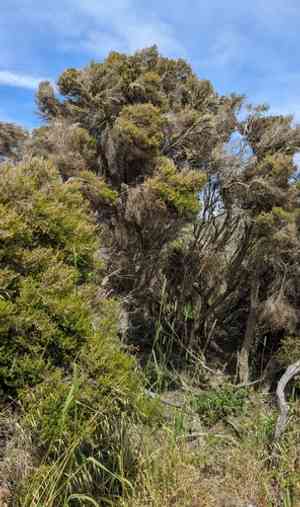
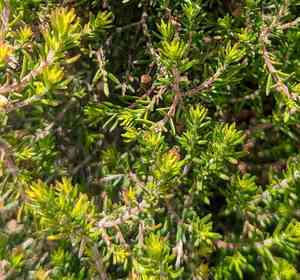
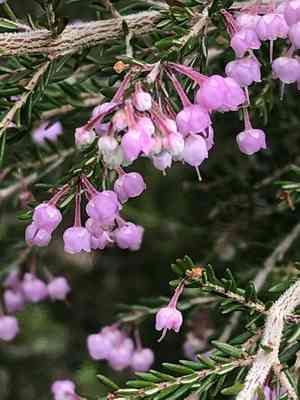
Quickly Identify Christmas heather
1
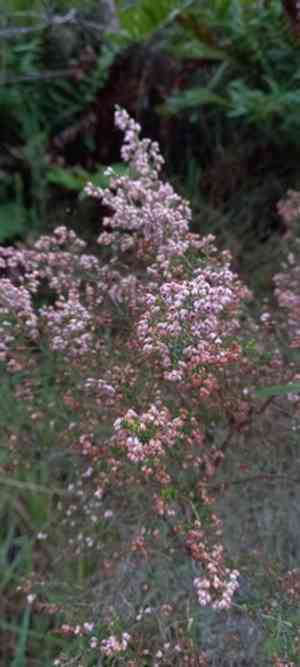
Identifying Erica canaliculata involves look for its small, bell-shaped, pink to reddish flowers, which are densely packed on slender stems. The leaves are small, needle-like, and arranged in whorls around the stem.
Scientific Classification of Christmas heather
Phylum
Vascular plants
Class
Dicotyledons
Order
Ericales
Family
Heath
Genus
Heaths
Species
Christmas heather
Planting and Growing of Christmas heather
Care Difficulty
Easy
Watering Schedule
Every 4 days
Sunlight Requirements
Full sun
Sunshine Duration
6-12 hours
Ideal Temperature
60-75℉
Soil Type
Potting Mix, Peat Mix
Soil pH
5.5-6.5
Fertilizer Type
Balanced
Pruning Season
Spring, Summer
Pruning Area
Branches, Leaves
Pruning Frequency
2 times a year
Repotting Season
Spring
Pot Type
Plastic, Ceramic
 How to Water Christmas heather?
Water Erica canaliculata with approximately 250 ml per session. The key is to provide enough moisture without waterlogging. Water should reach the root zone but not pool on the surface, promoting healthy growth and preventing root rot.
What are the symptoms of an underwatered Christmas heather?
›
What should I do if my Christmas heather is not getting enough water?
›
What are the symptoms of an overwatered Christmas heather?
›
How to save an overwatered Christmas heather?
›
 What Are the Sunlight Requirements for Christmas heather?
Position Erica canaliculata in an area where it can receive full sun to partial sun. Ideal lighting ensures robust flowering and helps maintain the structural integrity of the plant.
More About Sunlight Requirements Techniques→
How can I mimic ideal lighting conditions?
›
What is the best orientation for planting?
›
What benefits arise from ideal lighting?
›
 What Is the Ideal Temperature Range for Christmas heather?
The ideal temperature range for growing Erica canaliculata is between 60°F and 75°F. These conditions closely mimic the native habitat of the plant and promote healthy growth and flowering. Maintaining this temperature range ensures that the plant is not stressed, allowing it to thrive both indoors and outdoors in contained environments.
 What Soil is Best for Christmas heather?
Erica canaliculata flourishes in slightly acidic soils, which provide the optimal environment for nutrient uptake. Maintaining this acidity allows the plant to absorb essential minerals efficiently, resulting in robust and vibrant growth. Well-draining soil is crucial to prevent root rot. Sandy loam is particularly beneficial as it enables excess water to escape, thus keeping the roots healthy and preventing waterlogged conditions that could stunt growth. A rich organic matter in the soil, such as that found in peat, provides vital nutrients that support the plant's development. This abundance in nutrients facilitates lush foliage and extensive blooms.
 How to Fertilize Christmas heather?
For Erica canaliculata, it is vital to balance the nutritional needs. A light hand with fertilizers is recommended, as too much can harm their delicate ecosystem. Employ half-strength liquid fertilizer monthly and a spoonful of slow-release granules yearly. Be gentle and consistent, and observe the plant’s response to adjust if needed.
 How to Prune Christmas heather?
Begin by inspecting your Erica canaliculata for any branches that are dead, diseased, or damaged. These should be removed first to prevent the spread of disease and encourage new, healthy growth. Once the unproductive wood is removed, focus on shaping the plant. Trim back any overgrown shoots to maintain a compact and aesthetically pleasing shape. Aim for uniformity while maintaining its natural beauty. When pruning, focus on opening up the central part of the bush to improve air circulation. This helps reduce the risk of fungal infections and promotes overall plant health, allowing light to penetrate and nourish inner foliage.
More About Pruning Techniques→
 How to Propagate Christmas heather plant?
1
Use a well-draining mix, preferably acidic, which is suitable for Erica canaliculata seeds or cuttings. Moisture retention is important, so consider adding some peat moss.
2
Sow seeds shallowly in the prepared tray. Space them evenly and cover lightly with the soil mixture. Maintain moisture without overwatering.
3
Select healthy, semi-hardwood stems for cutting. Cut about 10-15 cm in length, remove the lower leaves, and plant them in the prepared soil mix.
 How to Repot Christmas heather plant?
1
Erica canaliculata should be repotted when you notice roots growing through the drainage holes or the soil isn't retaining moisture as it should. This typically means the plant has outgrown its current pot. It’s best to repot during the growing seasons of spring or summer to minimize stress on the plant.
2
Select a pot that is only slightly larger than the current one, preferably with good drainage holes. A pot that's too large can hold excess moisture, leading to root rot. Terracotta pots are a great choice as they allow excess water to evaporate, providing better aeration at the roots.
3
Opt for a well-draining, acidic soil mix as Erica canaliculata thrives in such conditions. A mix that includes peat, sand, and perlite or fine bark will provide the necessary drainage and pH level. This will help to prevent overwatering issues and root decay.



